
What the day feels like
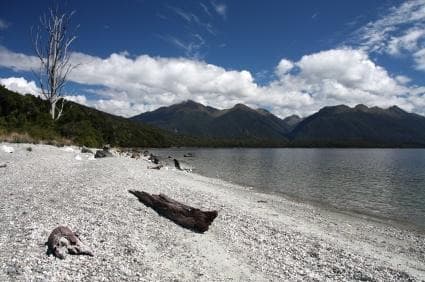
A fine rain is pattering on the lake when you arrive—nothing dramatic, just enough to silver the water and sharpen the scent of beech forest. A ferry eases away from the tiny wharf, its diesel whisper swallowed by mountains that rise straight out of the water. Across the way, a narrow ribbon of road climbs to Wilmot Pass, the hidden seam that joins Manapouri to the vast inland waterways of Doubtful Sound. This is the sort of place that rewards patience: light shifts; birds tune an invisible orchestra; the lake, at once placid and fathomless, holds your gaze.
Lake Manapouri is less a postcard than a portal. Situated in the southwest corner of New Zealand’s South Island, it acts as a hinge between the pastoral lowlands and the carved, rain-drenched fiords of Fiordland National Park. From its shores, operators run day cruises, overnight scow voyages and helicopter transfers that place you over glaciers, alpine tarns and the ragged spine of the Southern Alps. Most excursions start slow—crossing the glassy lake—then punctuate the journey with a roar: Wilmot Pass, a short road cut through the forest that drops you into a different world.
Geologically, Manapouri is Fiordland in miniature. The basin was carved by ice during the last glaciation, leaving steep-sided valleys and deep water that still remembers ice. The landscape’s character—sheer rock faces, dense temperate rainforest, and waterfalls that persist through even the driest months—speaks to relentless water and time. The lake itself gathers runoff from high country and funnels it toward the sea via the fiords; boats glide like small human intrusions into an ancient hydrologic drama.
History here is as much social as geological. In the 1960s and 70s, the Save Manapouri campaign became New Zealand’s defining environmental movement. Locals, trampers and far-flung supporters pushed back against plans to raise the lake level for hydroelectric expansion. The campaign’s success reshaped conservation politics in the country and left a rare legacy: a compromise that allowed power generation without submerging the lake’s shorelines. Today, conservation remains an active part of the lake’s story—operators and communities work to balance tourism with the wildness that draws visitors.
Culture around Manapouri and nearby Te Anau is quietly service-oriented: guides, small operators and family-owned lodges. Maori history threads through the region—place names, seasonal use, and customary ties to waterways—though many of the contemporary cultural touchstones are the tales told by guides at the dock: maritime routes, early surveyors and Captain Cook’s era explorers who first recorded the ragged coastline.
How you explore Manapouri depends on appetite and time. The most straightforward is to join a Doubtful Sound day cruise. You cross Lake Manapouri, travel over Wilmot Pass, and board a comfortable vessel for the 2–3 hour fiord cruise. Wildlife is commonly sighted—bottlenose dolphins and New Zealand fur seals are regulars, and in the right season, Fiordland crested penguins appear near shore. For a deeper immersion, choose the overnight Doubtful Sound scow cruise. These flat-bottomed vessels drift slowly under stars and deliver a quiet many visitors call the ‘sound of silence’: engines off, hull still, only birdsong and water.
If you want perspective from above, helicopter scenic flights from Manapouri or Te Anau compress Fiordland’s scale into manageable frames. Flights that loop over Lake Manapouri, then out to Doubtful or Dusky Sound, often include remote landings—brief treks onto summits or alpine tarns where the ocean and mountains meet in impossible proximity. For photographers and time-short travelers, a 25- to 45-minute heli trip offers more dramatic scenery in an hour than many days on the ground.
Practicalities: the climate is changeable. Even in summer you should expect wind and sudden showers. Footwear with good grip is essential for shore exploration; pack a light waterproof and layers. Operators require early check-in for cruises—arrive 20–30 minutes ahead—and many allow you to pre-order picnic lunches for long days. Boat transfers across the lake are often part of the itinerary to Doubtful Sound, so expect vehicle transfer times to be included.
Timing matters. Summer (December–February) gives the warmest temperatures and the longest daylight, but spring and autumn can be quieter and deliver moody light that photographers love. Winter delivers snow on the high ridgelines and a raw clarity to the air, but services are more limited and conditions can be rough.
What to expect on the water: be ready for a particular kind of silence. Fiords are sheltered, deep bowls carved by ice and filled by the sea; they trap sound. Operators frequently demonstrate this by turning engines off during the cruise. When that happens, you’ll notice how many sounds in the world are human-made. In that hush, the rhythm of water on rock, a distant birdcall, and the soft slap of seals on boulders become vivid.
For those plotting a visit: book popular departures in advance during peak season, consider staying in Te Anau if you want more dining and gear options, and leave room for weather-driven flexibility. Conservation-minded travelers should choose operators that adhere to wildlife viewing codes—keep distance from seals and penguins, and never feed animals.
Lake Manapouri is not a single thrill; it’s an access point, a mood, and a benchmark for what Fiordland offers. Whether you cross its glass, fly over its ridges, or step onto a scow at dusk, the lake introduces you to a landscape that is patient, intense, and quietly uncompromising. It’s not about conquering a view but about arriving small and listening. If you come prepared—respectful of weather, wildlife and local community—you’ll leave with a sense of why this corner of the world has moved both politicians and poets.
Trail wisdom
Small choices, better day.
Pack waterproof layers
Fiordland weather changes fast—bring a light waterproof shell and quick-dry layers for on-deck comfort.
Arrive early for check-in
Cruise operators require 20–30 minute pre-departure check-in—arriving early avoids last-minute stress.
Bring binoculars and a local guidebook
Dolphins, seals and rare penguins can appear unexpectedly—binoculars and a species guide boost sightings.
Respect wildlife distances
Keep a respectful distance from seals and birds; avoid approaching nesting areas and follow guide instructions.
Local knowledge
Read the place, not just the route.
Watch for native species including New Zealand fur seal, Bottlenose dolphin.
Keep an eye out for wildlife during the transition between areas and habitats. Respect distance guidelines.
Tour operators follow strict wildlife viewing guidelines and many contribute to local conservation funds; travelers can minimize impact by staying on paths and obeying viewing distances.
Follow the guide's instructions on size limits, ethical handling, and leave-no-trace practices.
Sunrise at the western end of the lake near Dive Cove for mirror reflections. Short forest walks around the Manapouri township to spot native birdlife away from crowds
Locally recommended viewpoints and quiet spots known best to local operators.
The Save Manapouri campaign of the 1960s–70s mobilized nationwide opposition to raising lake levels for hydropower and helped shape New Zealand’s conservation movement.
Maritime roots and regional tradition shape the waterways and working coasts.
Seasonal guide
Four versions of the same landscape.
Spring
Best forWildflower displays · Fewer crowds · Dynamic weather photography
ChallengesUnpredictable rain · Chilly mornings
Spring brings crisp air and dramatic light—expect rain showers and strong contrasts for photography.
Summer
Best forWarmer decks on boats · Long daylight hours · More frequent wildlife sightings
ChallengesBusier schedules · Occasional afternoon storms
Summer is the most popular and accessible season with extended daylight for long cruises and heli flights.
Fall
Best forAutumnal tones · Clearer air for aerial views · Quieter trails
ChallengesShortening daylight · Cooler evenings
Autumn delivers softer light and fewer crowds—ideal for photographers and those who want solitude.
Winter
Best forSnow-capped ridgelines · Crisp visibility · Dramatic contrasts
ChallengesLimited services · Colder conditions and strong winds
Winter can be spectacular from the air with snowy summits, but some tours reduce frequency and conditions are raw.
Pack with intention
What to bring.
Good to know
Common questions.
Regular shuttle services and car trips cover the 20–30 minute drive; many operators include the transfer when booking cruises.
Plan the edges
The details that make the day easier.
The 'Save Manapouri' campaign helped prevent raising the lake's level for hydroelectric development and is widely credited with galvanizing New Zealand's modern environmental movement.
Stay in Te Anau for artisan bakeries, lakeside cafes and trout-focused menus; local guides share stories of surveying parties, early hydro debates and Maori place names while serving strong regional coffee.
- Nearest town
- Te Anau (20–30 min). Popular departures: Manapouri wharf. Check-in: 20–30 mins before. Duration: day trips 8–13 hrs; heli flights 25–90 mins.
Choose licensed operators that follow Fiordland wildlife codes, avoid single-use plastics on board, and respect roped-off nesting areas to protect sensitive species.
Explore by topic
Follow the threads.
Keep exploring
Make the story part of the trip.
Set out from Bass Harbor for a private, customizable day on Blue Hill Bay — lighthouses, puffins, seals, and the chance to feel Acadia from the water. Small groups, local captains, unforgettable views.
In four hours you can move from shaded canyon ferns to wind-scoured coastal ridgelines, guided by someone who knows where the light—and the hidden views—live. This private half-day hike on the Monterey Peninsula or Big Sur is compact, curated, and perfect for travelers who want depth without a multiday commitment.
 Related story
Beneath a sky of shifting light, Skaftafell’s ice reads like a map of time. This three-hour guided glacier hike mixes technical instruction with geology and culture: compact, safe, and unforgettable.