
What the day feels like
You arrive in Kuranda as the rainforest exhales. Moist air clings to your shirt and the canopy above hums: cicadas punctuate conversation, lyrebirds skitter through leaf litter, and the scent of damp earth and wild ginger rides on a light breeze. The village — wooden stalls, a scattering of cafés and galleries — sits like a small clearing in an ocean of green. Walk a few minutes out of town and the forest reasserts itself: vines like ropes, trunks mottled with moss, a river that seems to be daring you to follow its course upstream.
Kuranda is a doorway into the Wet Tropics World Heritage Area, a rainforest system older than many landscapes we think of as ancient. That sense of longevity is not romantic hyperbole; the plants here are living links to Gondwana, and the Barron Gorge carves a raw, geological line through millennia of erosion. For modern travelers, Kuranda offers a compressed rainforest experience that is both sensory and practical: short walks that intersect deep forest, panoramic viewpoints over the Barron River, and guided 4WD routes that can take you further into hidden gullies and cascading streams.
Two practical ways to experience this are the private half-day World Heritage Rainforest & Waterfall tour and the Barron Gorge and Kuranda National Park 4WD half-day tour. Both are efficient itineraries for people based in Cairns who want to escape the crowds and get up close to the rainforest without committing a full day. The private option gives you a chauffeur-guide, exclusive vehicle time and the flexibility to tailor stops; departures are typically at 7:00 a.m. or 1:00 p.m. (return 12:00 p.m. or 6:00 p.m.), and can include a swim in a crystal-clear waterhole when conditions and seasons allow. The small-group 4WD runs with a cap of 13 travelers, which keeps the pace intimate and the routes nimble — morning departures originate from Cairns, afternoons from Cairns and the Northern Beaches.
The low-slung power of the 4WD is part of the appeal. Where a coach would be hemmed in, an off-road vehicle slips onto logging tracks, up and down ridgelines and into pockets of rainforest that feel private. You’ll pass mighty figs and fan palms, and the air will change — cooler, wetter — as the forest thickens. Walks here are generally short to moderate: most viewing platforms and marked tracks take 10–45 minutes each, with a few rougher stretches and intermittent steps. If you want a longer outing, guides will point you to nearby circuits with more elevation and payoff.
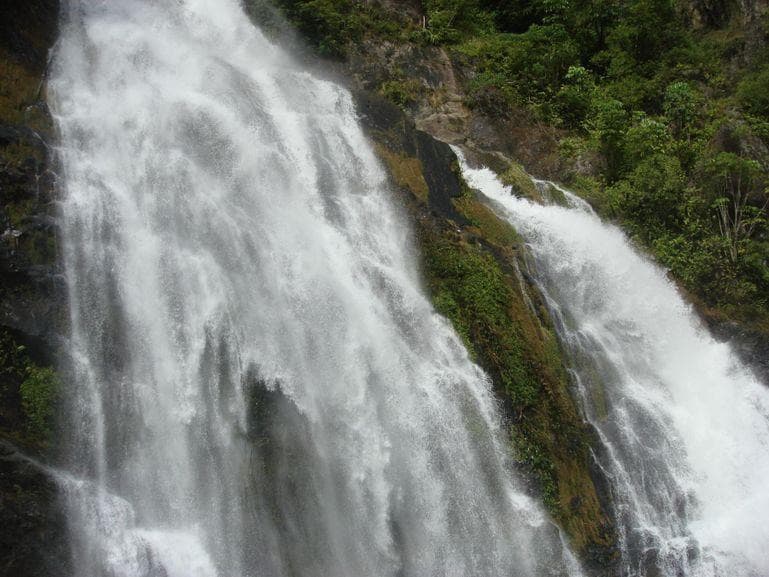
The geological highpoint is Barron Falls, where the river narrows and plunges with a roar in the wet season. From the viewpoints the falls look like a living wall, and in drier months they are reduced to a braided thread — still dramatic for the way they carve the gorge. Cultural context is never far from sight; the Djabugay people have called this region home for millennia, and their stories and stewardship are increasingly part of guided experiences. Kuranda itself grew around the Kuranda Scenic Railway in the late 19th century, and the village has since layered market stalls, indigenous art centers and low-key cafés into the rainforest fabric.
Practicalities keep the adventure tidy. If you’re short on time, the half-day private tour is the best-value shortcut: door-to-door pickup and freedom to choose the stops that interest you — photography, a quick swim, or a focused wildlife walk. Small-group 4WDs are better for travelers who don’t need exclusivity but do want more off-track access than a bus tour allows. Note: operators typically don’t run these 4WD tours from Port Douglas unless you make your own way to Cairns.
Plan for humidity and the possibility of sudden rain. A lightweight rain jacket stowed in a daypack will be more useful than an umbrella. Footwear should be sturdy — think trail shoes or light boots — because signage is good but the rainforest floor can be rooty and slick. Bring a refillable water bottle, bug spray, and a camera with a polarizing filter if you want those saturated green shots and silky water exposures.
Timing matters. Early morning light is when birds are most active and the air is clearest; late afternoon brings long shadows and warm tones on the gorge walls. Avoid the middle of the day in the wet season for strenuous walking; the heat and downpours conspire to make even short tracks feel like hard work. For families, the private half-day works well — you can control the pace and choose shorter walks. For photographers and naturalists, the small-group 4WDs open up off-the-beaten-path vantage points and quieter pools.
Kuranda rewards the curious: ask about local plants that have medicinal uses, linger to watch kingfishers flash at river edges, and step off the main platforms into less-traveled tracks when the guide suggests it. But also be mindful: this is protected land. Stay on trails, carry out what you bring in, and respect rules about swimming and wildlife encounters.
By the time you return to Cairns, something subtle has shifted. The city’s sea-salt tang returns, but the rainforest remains in your senses — a leaf’s texture, a bird call, a sudden understanding of why these ecosystems are protected. Kuranda manages to be both an accessible day trip and a reminder that stepping a short distance into the forest can still feel like travel: immediate, elemental and quietly demanding of your attention.
Trail wisdom
Small choices, better day.
Start early
Morning departures mean softer light, cooler temperatures and better bird activity—book the 7:00 a.m. slot if available.
Wear grippy shoes
Trails are short but can be rooty and slippery; trail shoes or light boots prevent slips on wet rock.
Bring a refillable bottle
Hydration is key in tropical humidity; operators typically allow refills during stops.
Respect swimming advisories
Guides will indicate safe pools—only swim where permitted and avoid swimming after heavy rains.
Local knowledge
Read the place, not just the route.
Watch for native species including Kingfishers and azure kingfishers, Lumholtz tree-kangaroo (rare) / wallabies.
Keep an eye out for wildlife during the transition between areas and habitats. Respect distance guidelines.
Kuranda sits within the Wet Tropics World Heritage Area; stick to marked trails, avoid disturbing habitat, and choose certified local guides to minimize impact.
Follow the guide's instructions on size limits, ethical handling, and leave-no-trace practices.
Short, less-trafficked walks upstream from Barron Falls lookout. Rainforestation Nature Park for guided cultural and wildlife experiences near Kuranda
Locally recommended viewpoints and quiet spots known best to local operators.
Kuranda developed around the Kuranda Scenic Railway in the late 19th century and sits within the traditional lands of the Djabugay people.
Maritime roots and regional tradition shape the waterways and working coasts.
Seasonal guide
Four versions of the same landscape.
Spring
Best forwildflower displays · butterfly and bird activity
Challengesincreasing humidity · occasional showers
Spring brings warming temperatures and a resurgence of insect and bird life—conditions are comfortable for half-day tours with a light rain jacket handy.
Summer
Best forpowerful Barron Falls flow · lusher rainforest photos
Challengeshigh heat and heavy downpours · cyclone season potential
Summer is the wet season—dramatic waterfalls and dense foliage, but plan for sudden storms and hotter, stickier conditions.
Fall
Best forstable weather · clearer vistas after the wet
Challengesresidual humidity early in the season
Autumn balances moisture and milder temperatures; trails are comfortable and streams may still be scenic from late-season runoff.
Winter
Best fordry tracks · ideal birdwatching and cooler days
Challengescooler mornings · lower waterfall volume
Winter is the dry season—best overall for walking and photography: clear skies, cooler days and fewer mosquitoes.
Pack with intention
What to bring.
Good to know
Common questions.
Half-day options typically run 3–4 hours including pick-up and return; private half-day departures often leave at 7:00 a.m. or 1:00 p.m. with returns around 12:00 p.m. or 6:00 p.m.
Plan the edges
The details that make the day easier.
Kuranda lies within the Wet Tropics World Heritage Area, one of the oldest continuously surviving rainforests on Earth and home to species with Gondwanan origins.
Kuranda’s markets and galleries showcase Djabugay art, tropical fruit stalls and handmade crafts—pair a rainforest tour with locally sourced tropical dishes and an art center visit to support community enterprises.
- Duration
- 3–4 hours; Pickup: Cairns (private or shared); Group size: private or up to 13 for 4WD; Accessibility: short uneven walks; What to expect: rainforest tracks, boardwalks, waterfalls.
Choose operators that follow Wet Tropics guidelines, stay on established trails, pack out waste and avoid single-use plastics to reduce pressure on fragile rainforest ecosystems.
Explore by topic
Follow the threads.
Keep exploring
Make the story part of the trip.
Set out from Bass Harbor for a private, customizable day on Blue Hill Bay — lighthouses, puffins, seals, and the chance to feel Acadia from the water. Small groups, local captains, unforgettable views.
In four hours you can move from shaded canyon ferns to wind-scoured coastal ridgelines, guided by someone who knows where the light—and the hidden views—live. This private half-day hike on the Monterey Peninsula or Big Sur is compact, curated, and perfect for travelers who want depth without a multiday commitment.
 Related story
Beneath a sky of shifting light, Skaftafell’s ice reads like a map of time. This three-hour guided glacier hike mixes technical instruction with geology and culture: compact, safe, and unforgettable.