
What the day feels like
The long-tail eases out of the shadow of Bangkok’s high-rises and into a river that seems determined to slow the city down. Brown water laps the hull as a line of small villages peels away and, a half hour later, a low, green ribbon of land appears: Koh Kret. Stepping ashore is like switching modes—the traffic noise dissolves, bicycles ring their soft bells, and the steady scent of baking clay rises from low-kiln workshops. On this car-free island in the Chao Phraya River, the tempo is measured by the pottery wheel and the river’s current.
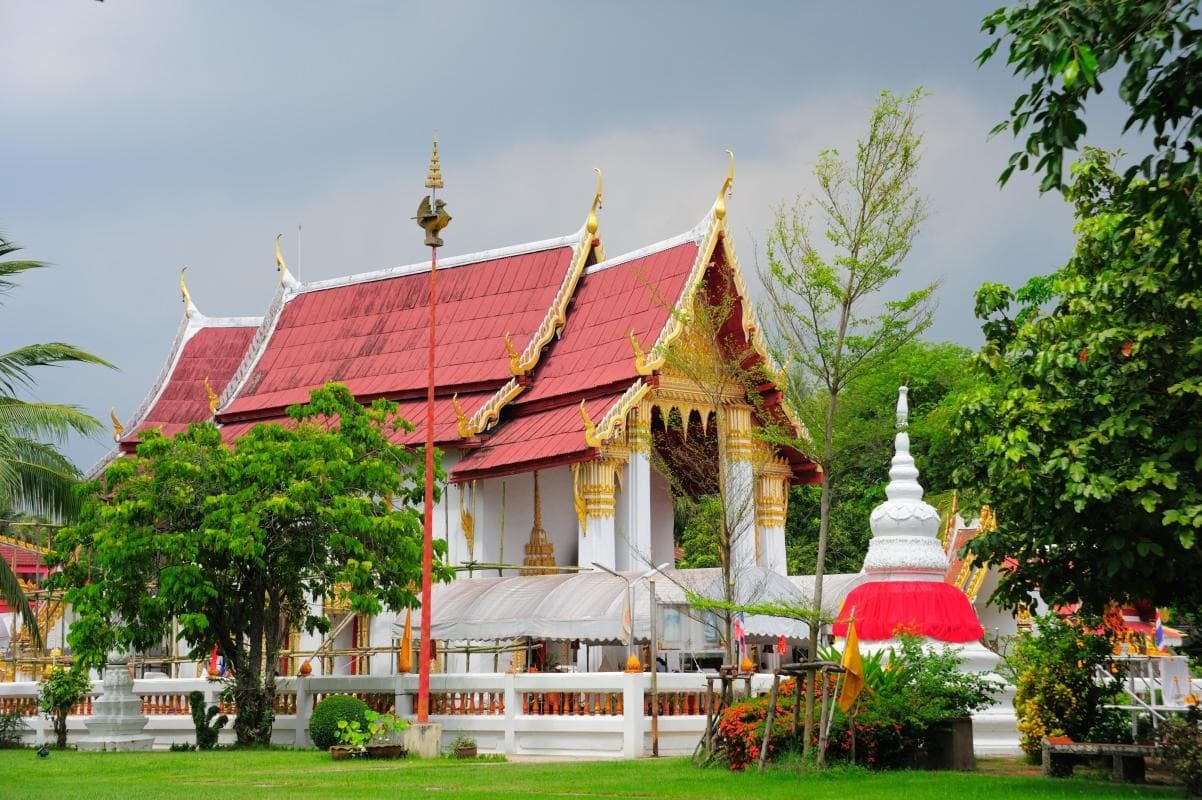
Koh Kret’s best stories are tactile. The Mon people, who settled here generations ago after migrating from what is now Myanmar, brought a pottery tradition that still defines the island. Walk the main loop and you’ll see hands shaping wet red clay into jugs, vases and urns; older women painting floral motifs; children threading beads outside pandan-scented homes. The island is small—its bike loop is short and flat—yet it holds a compact curriculum in Thai riverine life: temple pagodas, a leaning Mon shrine more than a century old, riverside cafés selling grilled river fish and sticky rice, and a weekend market that spills color and sound into every alley.
Geologically, Koh Kret is a riverine artifact. The Chao Phraya has been rerouted and coaxed for centuries; islands like Koh Kret exist because the river’s channels shift and human engineering channels water where people needed it. That interplay of water and culture is visible everywhere—jetties give way to narrow paths that lace through pottery yards, and small ferry crossings punctuate the island’s perimeter.
The set of experiences here matches the place. The typical day-trip rhythm is simple: a scenic ride down the Chao Phraya (many operators leave from BTS Saphan Taksin), a short ferry across to the island, and then an easy loop by bicycle. Pottery workshops offer short hands-on classes—learn to pinch, coil or center a humble pot and come away with a genuine souvenir. There are tidy temples to inspect and a leaning Mon pagoda that gives photographic emphasis to the island’s layered past. A riverside lunch, usually local fish and vegetable curries with jasmine rice, is an obvious pause; afterwards, a traditional Thai foot massage for 30 minutes lets you feel what the island’s slower pace does to an overworked traveler.
Practical detail keeps the visit honest. Koh Kret’s loop is approximately 4–6 kilometers, almost entirely flat, and can be cycled comfortably in 1–2 hours if you move steadily and skip stops; plan 3–5 hours to fully sample pottery, temples and a relaxed lunch. Bicycles are the primary rental—simple single-speeds with baskets. The surfaces are a mix of compacted dirt, low concrete and occasional pavers; a few alleys can be narrow or a bit bumpy near workshops. There’s no meaningful elevation gain—this is a restorative ride more than a workout.
Timing matters. The best months are the cool, dry season (November–February), when afternoon humidity is moderate and the river breeze feels restorative. Weekends are lively—dig into the weekend market’s crafts and street food if you enjoy bustle; midweek is quiet, better for photography, pottery classes with more instructor attention, and a more intimate look at village life. If you’re combining Koh Kret with a Bangkok boat tour, most operators include a 1.5-hour scenic stretch on the Chao Phraya that lets the city dissolve into the countryside.
Respect shapes good behavior here. Pottery workshops are working studios; bring small bills to buy finished pieces or leave a tip for instruction. Temples require modest dress—shoulders and knees covered—and the leaning pagoda is treated with local reverence. The island’s rhythms are fragile; the community welcomes visitors who support local businesses but asks they avoid single-use plastics and behave with curiosity rather than spectacle.
For travelers planning this day, practical gear and a small checklist will keep the day smooth: light, breathable clothing, a hat and sunscreen for the mid-day sun, a water bottle you can refill at cafés, and comfortable closed-toe shoes or sandals with good traction for the pottery yards. Bring cash—small stalls may not accept cards—and a lightweight bag for any small ceramics you buy. If you’re booking through an experience operator, confirm the boat pickup point (BTS Saphan Taksin is common), whether the package includes a guided pottery session and whether lunch and a short massage are part of the day.
Koh Kret is the sort of place that rewards slow attention. Sit by the river and watch a woman coat a cup in slip while the afternoon sun steels the clay’s red-brown hue. Take a slow detour down a side lane and hear a child practicing a bicycle bell song. The island isn’t about conquering a peak or ticking off a checklist—it’s an applied lesson in how landscape and craft shape a community. For a few hours, the city’s frenetic tide gives way to hands, clay and water. That’s enough to change the tenor of a Bangkok trip—and to bring you back with something that’s both useful and deeply peculiar: a small pot made by your own hands, and a new, quieter map for how to move through the world.
Trail wisdom
Small choices, better day.
Bring cash for pottery and market purchases
Many workshops and stalls accept only cash—small Thai baht notes make buying ceramics and snacks easy.
Rent a bike with a basket
Choose a bicycle with a basket to carry purchases and fragile pottery safely during the loop.
Book pottery sessions in advance on weekends
Weekend workshops fill quickly—reserve a slot if you want a hands-on class and kilned keepsake.
Time your return boat for daylight
Plan to catch the late-afternoon boat back; riverside paths get dim and narrow after dusk.
Local knowledge
Read the place, not just the route.
Watch for native species including River otters (occasionally seen along quieter banks), Egrets and kingfishers that pick along the river edge.
Keep an eye out for wildlife during the transition between areas and habitats. Respect distance guidelines.
Local initiatives encourage sustainable tourism—support community-run studios, avoid single-use plastics and follow signs respecting studio operations.
Follow the guide's instructions on size limits, ethical handling, and leave-no-trace practices.
A narrow back lane with family-run kilns where you can watch multiple firing methods. A quiet riverside bench at the northern tip great for sunset reflections
Locally recommended viewpoints and quiet spots known best to local operators.
Koh Kret is a long-standing Mon settlement, where pottery has been produced for roughly two centuries and cultural traditions remain strong.
Maritime roots and regional tradition shape the waterways and working coasts.
Seasonal guide
Four versions of the same landscape.
Spring
Best forquiet weekday visits · blooming roadside greenery · pottery workshops
Challengesrising temperatures · occasional showers · increased humidity
Spring warms quickly; mornings feel pleasant but afternoons grow hot and muggy—bring water and a hat.
Summer
Best forearly-morning rides · lower weekday crowds · indoor studio time
Challengesheavy monsoon rains · high humidity · boat delays during storms
Monsoon season brings frequent rain; mornings may be fine but carry rain protection and expect interruptions.
Fall
Best forcooler weather · post-monsoon green scenery · comfortable cycling
Challengesvariable river levels · possible sticky days late in season
Fall cools off after the monsoon, offering comfortable rides and vivid riverside colors—ideal for outdoor eating.
Winter
Best forcrisp weather · weekend markets · scenic boat rides
Challengeshigher visitor numbers on holidays · cool mornings
The cool, dry season is the most pleasant time to visit—lower humidity and clearer skies make for perfect exploration.
Pack with intention
What to bring.
Good to know
Common questions.
Most visitors take a Chao Phraya boat from BTS Saphan Taksin and connect to a short local ferry or long-tail transfer to the island—total door-to-door time is roughly 1–2 hours depending on connections.
Plan the edges
The details that make the day easier.
Koh Kret is renowned for its Mon pottery tradition that dates back roughly 200 years; the island remains one of Thailand’s few car-free, craft-focused communities.
Koh Kret’s culture centers on Mon pottery and riverside cuisine—try grilled river fish, sticky rice sweets and locally made herbal tea at small cafés run by families who have worked the clay for generations.
- Getting there
- Boat from BTS Saphan Taksin → local ferry to island; Time needed: 3–8 hours; Currency: Thai baht (carry cash); Accessibility: flat paths but uneven surfaces near kilns; Rentals: bikes & pottery sessions available on-site.
Support community-run workshops, avoid single-use plastics and ask before photographing people in private workspaces—your patronage sustains local crafts and livelihoods.
Explore by topic
Follow the threads.
Keep exploring
Make the story part of the trip.
Set out from Bass Harbor for a private, customizable day on Blue Hill Bay — lighthouses, puffins, seals, and the chance to feel Acadia from the water. Small groups, local captains, unforgettable views.
In four hours you can move from shaded canyon ferns to wind-scoured coastal ridgelines, guided by someone who knows where the light—and the hidden views—live. This private half-day hike on the Monterey Peninsula or Big Sur is compact, curated, and perfect for travelers who want depth without a multiday commitment.
 Related story
Beneath a sky of shifting light, Skaftafell’s ice reads like a map of time. This three-hour guided glacier hike mixes technical instruction with geology and culture: compact, safe, and unforgettable.