
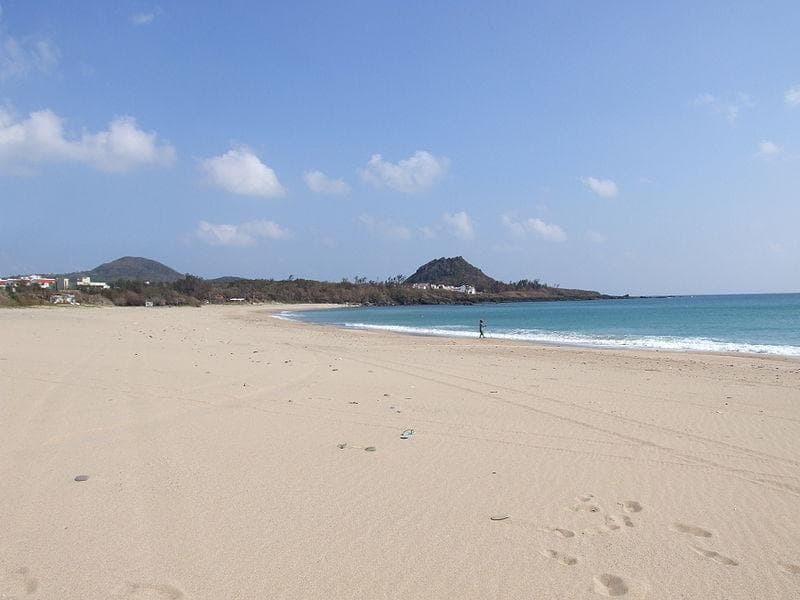
What the day feels like
The first thing that hits you at Kenting is light — how it slants across low, wind-scrubbed headlands, how the sea flashes a dozen shades of blue at once, how the road to the southern tip seems to dissolve into a stitched ribbon of sand and coral. Walk past the spray-battered sign for Eluanbi Lighthouse and you can feel the coast doing something close to conversation: waves daring you, wind pushing you forward, cliffs holding their ground.
Kenting National Park is Taiwan’s tropical punctuation mark at the island’s southern corner. It is compact by national-park standards — a mix of coral-sculpted shorelines, exposed limestone plateaus, and pockets of subtropical forest linked by a scatter of beaches and short hiking trails. The park reads like a coastal primer: longpan grasslands where the wind has a voice, rocky promontories that look like fossils of storms, bays sheltered enough for snorkeling schools of parrotfish and wrasse.
History and geology are inseparable here. The bedrock is an amalgam of uplifted coral and marine deposits folded and tilted by tectonics; the surface shows it in the ribbed limestone pavements and tide-carved platforms. This is why you’ll find dramatic headlands such as Maopitou and the silent stone teeth near Longpan Park. The human history is layered too — the Paiwan and Rukai indigenous peoples have lived in the greater Hengchun area for centuries, and during the colonial era, the strategic southern tip became dotted with lighthouses, including the stoic Eluanbi, built by the Japanese in the late 19th century to guide ships around the hazardous reefs.
Kenting is not a place for epic, alpine marches. Its adventures live in short, intense encounters: a 2–3 km ridge walk at Sheding Nature Park through low forest and grassland, a half-day coastal loop at Longpan that thrusts you into wind-battered vistas, and low-tide explorations of tide pools where sea stars and colorful anemones seem to put on a private show. The water is as much a draw as the land: sheltered bays like Nanwan (South Bay) and small coral coves near Kenting Beach make outstanding snorkeling and diving, from guided surface-snorkel sessions to multi-day PADI Open Water courses taught by small-class instructors who double as underwater photographers.
Why travel here? For starters, variety. A single morning might begin with a stiff coastal walk, an afternoon of reef snorkeling where an instructor hands you an underwater camera, and an evening at Kenting Night Market tasting grilled squid beside local families. For active travelers, the park’s compactness is a gift: you can move between beaches, cliffs, and lowland trails without long transfers. For photographers, the sunset light on Eluanbi and the diffuse sunrise over Longpan’s grasslands offer different moods within a day.
Practical edge: timing and transit matter. Kenting’s high season is summer — warm water and crowded beaches — but it’s also typhoon season; many travelers prefer late spring (April–June) or autumn (September–November), when the weather is kinder and the sea is glassier for snorkeling. Most visitors reach Kenting via Kaohsiung; the High Speed Rail to Zuoying, followed by a local train or a short bus/van connection to Fangliao, is common. Many of the bookable experiences that service Kenting arrange meet-ups at Kaohsiung or Fangliao and include van transfers, making logistics straightforward even for first-time visitors.
Gear and preparation here are practical and specific. Reef-safe sunscreen and a lightweight wind layer are non-negotiable; the southern wind is steady and can shave evening temperatures. If you’re doing snorkeling or diving courses, opt for a small-group operator — instructors in Kenting commonly work 1:3 ratios and will take underwater photos for you. For day hikes, sturdy trail shoes (not heavy mountaineering boots), 1–2 liters of water, and a sun hat keep you comfortable. If camping is in your plan, reserve spots and expect basic facilities; the park’s ecological sensitivity means visitors should pack out waste.
Cultural context: Kenting isn’t just beaches. The surrounding Hengchun Peninsula is home to temples, old trading ports, and a lively night market culture that shows Taiwan’s food-forward side. Seafood rules here — grilled reef fish, barbecued squid, and local tropical fruits — but you’ll also find Paiwan-influenced crafts and foods in nearby townships, a reminder that this landscape has been shaped by people as much as waves.
Conservation is a real part of the visit. Coral reefs here are fragile and face warming and storm impacts; responsible operators emphasize no-touch snorkeling, and many offer reef monitoring or educational briefings. The park enforces protected zones and seasonal restrictions on some activities; follow local guidance so the reef you swim over today still teems with life for the next season.
In short, Kenting rewards a compact set of intentions: come ready to move between land and sea, learn from small-group specialists, and respect a delicate coastal ecosystem that gives back in color and texture. Whether you’re chasing a first breathless snorkel or a short, wind-braced walk with extraordinary ocean views, Kenting distills the pleasures of coastal Taiwan into a travel-sized, high-intensity experience with room for slow evenings and good seafood.
Sample day plan: sunrise at Longpan for the light, breakfast and a half-day PADI or snorkeling session from Nanwan, lunch of grilled seafood in Kenting Village, a late-afternoon stroll at Eluanbi Lighthouse, and an evening at Kenting Night Market.
Kenting is approachable, playful, and a little stubborn — the kind of park that asks you to slow your stride long enough to notice reefs under the foam and the lighthouse keeping its watch.
Trail wisdom
Small choices, better day.
Go early to beat the heat
Start coastal walks at dawn for cooler temperatures and clearer sea conditions for snorkeling later in the day.
Use reef-safe sunscreen
Protect coral and your skin: apply biodegradable sunscreen and reapply sparingly after water activities.
Bring a light wind layer
Afternoons can be blustery on exposed headlands; a breathable windbreaker keeps chills off during sunset watches.
Book small-group snorkel/diving lessons
Choose operators with low coach-to-student ratios (1:3 or 1:4) for safety and better photo opportunities.
Local knowledge
Read the place, not just the route.
Watch for native species including green sea turtles (seasonal sightings), various reef fish including parrotfish and wrasse.
Keep an eye out for wildlife during the transition between areas and habitats. Respect distance guidelines.
Kenting enforces marine protected zones and visitor education programs; choose operators who practice reef-friendly guiding and waste reduction.
Follow the guide's instructions on size limits, ethical handling, and leave-no-trace practices.
Sheding Nature Park’s short ridge trails for quiet coastal views. Early-morning Longluan Lake birdwatching for migratory species
Locally recommended viewpoints and quiet spots known best to local operators.
Eluanbi Lighthouse was built during the Japanese colonial era (late 1800s) to guide ships past hazardous reefs; the area has long been inhabited by indigenous Paiwan and Rukai communities.
Maritime roots and regional tradition shape the waterways and working coasts.
Seasonal guide
Four versions of the same landscape.
Spring
Best forbirding at Longluan Lake · calm early-season snorkeling · wildflowers on ridgelines
Challengesoccasional heavy rains · variable sea temperatures
Spring offers mild temperatures and fewer crowds; expect pockets of rain but generally calm seas ideal for snorkeling.
Summer
Best forwarmest sea temperatures · full beach activity · extended daylight for evening markets
Challengescrowds and high season prices · typhoon risk and hot midday sun
Summer is beach season with warm water but expect crowds and occasional typhoon disruptions; plan flexibility is important.
Fall
Best forclear water for diving · pleasant hiking weather · fewer tourists
Challengessporadic rain during monsoon tail · early-season typhoon remnants possible
Autumn is the sweet spot for clear water and comfortable hiking conditions—often the best time for diving courses and reef visibility.
Winter
Best forquieter trails · bird migration watching · milder temperatures for off-peak travel
Challengescooler water for snorkeling · some services scale back seasonally
Winters are mild but cooler in the water; land activities remain pleasant and accommodation is easier to book.
Pack with intention
What to bring.
Good to know
Common questions.
Most visitors take the High Speed Rail to Kaohsiung (Zuoying) and transfer by local train or charter van to Hengchun/Fangliao; many tours include pick-up from Kaohsiung or Fangliao stations.
Plan the edges
The details that make the day easier.
Kenting National Park, established in 1984, was Taiwan’s first national park and protects both coastal and marine ecosystems including coral reefs that are among the island’s most diverse.
Kenting blends beach-town nightlife and seafood stalls with Paiwan cultural touches — sample grilled squid at Kenting Night Market and look for local craft stalls in Hengchun.
- Nearest transport hub
- Kaohsiung (Zuoying HSR). Typical transfer: 1.5–2 hours by train
- van. Park highlights
- Eluanbi Lighthouse, Longpan Park, Nanwan (South Bay), Sheding. Cash friendly; basic English at major operators.
Choose operators that use reef-safe practices, avoid single-use plastics, and brief guests on no-touch reef rules to minimize your footprint on vulnerable coral habitats.
Explore by topic
Follow the threads.
Keep exploring
Make the story part of the trip.
Set out from Bass Harbor for a private, customizable day on Blue Hill Bay — lighthouses, puffins, seals, and the chance to feel Acadia from the water. Small groups, local captains, unforgettable views.
In four hours you can move from shaded canyon ferns to wind-scoured coastal ridgelines, guided by someone who knows where the light—and the hidden views—live. This private half-day hike on the Monterey Peninsula or Big Sur is compact, curated, and perfect for travelers who want depth without a multiday commitment.
 Related story
Beneath a sky of shifting light, Skaftafell’s ice reads like a map of time. This three-hour guided glacier hike mixes technical instruction with geology and culture: compact, safe, and unforgettable.