
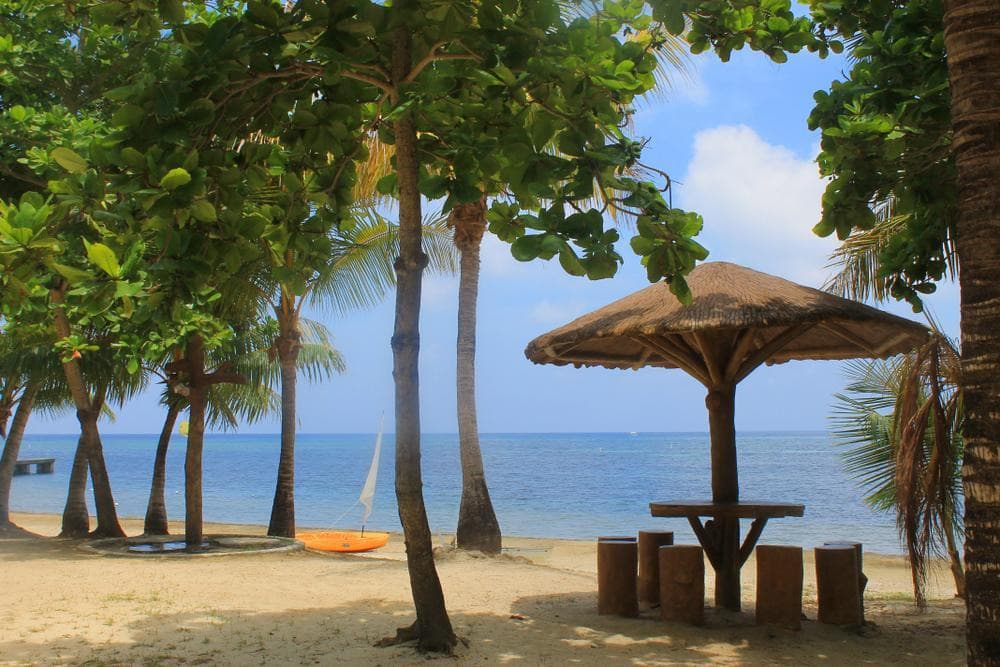
What the day feels like
The morning arrives humid and fragrant, a rich green scent that seems to exhale from the island itself. You step through the carved wooden gate of Gumbalimba Park and, for the next few hours, the usual math of travel disappears: time equals curiosity, and curiosity pays off in bright feathers, chattering primates and the slap of Caribbean surf. Paths thread through botanical gardens heavy with orchids and heliconias; a suspension bridge creaks like a whispered conversation; a macaw tilts its head as if measuring your intentions.
Gumbalimba is both a microcosm and a gateway. On the surface it’s an eco-park: botanical collections, an insectarium housing thousands of specimens, iguanas sunning themselves on low branches. Scratch the surface and it’s also a curated encounter with Roatán’s layered history—an island shaped by pirates, Garífuna and Bay Island culture—and its most urgent present: the fragile pulse of the Mesoamerican Barrier Reef that skirts its shores.
The park’s character is practical, not precious. Trails are short, woven through stands of mahogany and coconut palms, punctuated by small waterfalls and a network of paths that take 30–60 minutes for the walking loop if you’re moving deliberately. For families and first-time visitors, the animal encounters—Capuchin monkeys that hop eagerly onto shoulders, bright macaws that follow a treat like a compass—are the magnet. For adrenaline-seekers, Gumbalimba’s zip line network (some tours advertise 13 lines across 17 platforms) threads you above the canopy with views that frame West Bay’s turquoise reef in the distance. And for the curious and quiet, a visit to Coxen’s Cove pirate cave feels like stepping into an illustrated ledger of the Bay Islands: maps, murals and the clink of imagined treasure.
Geologically, Roatán is a coral-derived island, and that reef—part of the Mesoamerican Barrier Reef System, the second-largest barrier reef in the world—is a constant presence. The land here rises gently from beach to bluff, the jungle clinging to limestone and tropical soil. That landscape makes Gumbalimba accessible: short elevation changes, shady trails and defined viewing points, all designed to deliver tropical biodiversity without demanding technical hiking skills.
Culturally, the park is a lens into an island that wears many histories. The Bay Islands have a colonial past threaded with English-speaking Garífuna communities, Afro-Antillean settlers and centuries of maritime trade. At Gumbalimba, park guides fold that story into the tour—pointing out native plant uses, explaining pirate lore and contextualizing conservation messages about the reef. It’s not museum-silent; it’s local knowledge spoken aloud, practical and often witty.
The practical side of visiting is straightforward. Most full or half-day itineraries combine a park visit with a West Bay Beach stop for snorkeling; expect a 2–5 hour total outing if you add beach time. Walk the botanical trails and insectarium first—animals tend to be calmer in morning light—then thread the suspension bridge and visit Coxen’s Cove. If you booked the zip line, plan on a separate 45–90 minute window for gear-up, instruction and successive runs. Snorkel combos typically include a short boat trip to the reef where visibility is often excellent in calm weather.
Logistics and packing are small but important decisions. Closed-toe shoes with good tread make jungle trails and zip platforms more comfortable. Reef-safe sunscreen is crucial if you plan to snorkel; Roatán’s coral systems are sensitive and local guides will often remind you of that. Bring cash for small vendor stalls and a waterproof bag for your phone—there are photo-friendly moments, both in the trees and underwater, but cameras do better when they’re protected.
Timing matters. Cruise passengers should aim for early departures to beat the midday crowd; island hotels give you the option of lingering at West Bay’s powder sand if you want a longer snorkeling window. If you’re visiting during the island’s drier months (roughly February–May), the jungle will be lush but the trails less muddy and the reef clearer. Rainy season can mean quick tropical downpours that cool the air but may push snorkel operators to postpone trips.
Respect is non-negotiable here. The park’s animals—Capuchin monkeys, macaws and iguanas among them—are habituated to humans but not domestic pets. Follow guide instructions: no feeding unless a guide explicitly offers a supervised interaction, and never chase or corner an animal for a photo. The same goes for the reef—look, breathe and float; don’t touch coral or disturb marine life.
For adventurers who want to extend the visit, a common itinerary is park in the morning, zip line at mid-day and a snorkel session to the West Bay reef in the afternoon. West Bay’s shallow reef makes for forgiving snorkeling for families and beginner swimmers, while deeper patches reward more experienced snorkelers with parrotfish, sergeant majors and the occasional hawksbill turtle.
Practical tips: hydrate before you go—the humidity can be deceptively draining—use insect repellent for shaded trails, and schedule photo stops carefully; the best light for tree canopy shots is early morning or late afternoon. If the zip line is on your list and you have a fear of heights, ask about tandem or guided runs; experienced guides will pace you through the platforms.
Gumbalimba is not a wilderness in the purist sense—its paths are designed, its encounters managed—but that is the point. It’s where the island’s biodiversity, culture and coastline can be experienced within a half or full day, and where conservation meets tourism in a way that still feels hopeful. Step off the trail at the end of the day, salt on your skin from a West Bay swim, and the island has done what it does best: it has invited you in, set a rhythm for attention, and left you with a practical, earned appreciation of what’s worth protecting.
If you go, go curious, go early and go prepared. The jungle will move at its own pace; your best souvenirs will be small—an incredulous laugh at a monkey’s audacity, a macaw’s impossible color, and a quiet feeling that the reef is waiting for you to treat it with care.
Trail wisdom
Small choices, better day.
Start early to beat the crowds
Mornings are cooler, animals are more active, and cruise-ship surges arrive later in the day—plan your visit within the first hours after opening.
Wear sturdy closed-toe shoes
Trails and zip-line platforms demand grip; sandals are fine for the beach but not for the park’s walking loops or platforms.
Use reef-safe sunscreen
Protect the coral you’ll likely snorkel over—choose mineral-based sunscreen and reapply sparingly before entering the water.
Follow guide instructions for animal interactions
Capuchins and macaws are friendly but still wild—only interact under supervision, and avoid feeding unless directed by staff.
Local knowledge
Read the place, not just the route.
Watch for native species including Capuchin monkeys, Scarlet macaws (and other parrots).
Keep an eye out for wildlife during the transition between areas and habitats. Respect distance guidelines.
The park emphasizes educating visitors about reef protection and responsible wildlife interaction; opt for reef-safe sunscreen and avoid touching coral to reduce human impact.
Follow the guide's instructions on size limits, ethical handling, and leave-no-trace practices.
Coxen’s Cove pirate cave—an atmospheric, less-crowded interpretive space. A quiet viewing platform at the far end of the botanical garden for early-morning birdwatching
Locally recommended viewpoints and quiet spots known best to local operators.
Gumbalimba’s Coxen’s Cove nods to the Bay Islands’ maritime and pirate history; the park also highlights local plant uses and island cultural threads.
Maritime roots and regional tradition shape the waterways and working coasts.
Seasonal guide
Four versions of the same landscape.
Spring
Best fordry trails · clear snorkeling · active wildlife
Challengessun exposure · higher visitor numbers
Spring (Feb–May) is the island’s drier window—good visibility on the reef and pleasant walking conditions, but pack sun protection.
Summer
Best forlush vegetation · longer daylight · good bird activity
Challengeshigher humidity · occasional afternoon showers
Summer brings fuller foliage and vibrant birdlife; expect warmer, more humid conditions and short tropical showers.
Fall
Best forfewer crowds · discounted tours · still-warm water
Challengesincreased rain risk · choppier seas occasionally
Fall is shoulder season—fewer people and lower prices, but intermittent rains can affect snorkeling conditions.
Winter
Best forpleasant temperatures · calmer seas · consistent tour schedules
Challengespopular cruise windows · limited availability if not booked
Winter months are comfortable and popular with cruise travelers—book transfers early to secure your spot.
Pack with intention
What to bring.
Good to know
Common questions.
Most visitors spend 2–4 hours including the walking tour, animal encounters and insectarium; add 1–2 hours if you combine with zip-lining or a West Bay snorkeling stop.
Plan the edges
The details that make the day easier.
Roatán sits along the Mesoamerican Barrier Reef System, the second-largest barrier reef in the world, which makes its surrounding waters a global marine biodiversity hotspot.
Roatán’s culinary scene blends Caribbean, Garífuna and island influences—look for fresh conch, coconut-based stews and fruity hibiscus drinks at nearby West Bay shacks; local artisans often sell hand-carved wood and woven goods near park exits.
- Location
- West side of Roatán; Typical visit: 2–5 hours; Bookings: available by hotel or cruise port pickup; Bring: closed-toe shoes, reef-safe sunscreen, cash for vendors.
Choose operators who advocate reef-safe practices, follow animal interaction rules, and contribute to local conservation programs to minimize tourism’s footprint.
Explore by topic
Follow the threads.
Keep exploring
Make the story part of the trip.
Set out from Bass Harbor for a private, customizable day on Blue Hill Bay — lighthouses, puffins, seals, and the chance to feel Acadia from the water. Small groups, local captains, unforgettable views.
In four hours you can move from shaded canyon ferns to wind-scoured coastal ridgelines, guided by someone who knows where the light—and the hidden views—live. This private half-day hike on the Monterey Peninsula or Big Sur is compact, curated, and perfect for travelers who want depth without a multiday commitment.
 Related story
Beneath a sky of shifting light, Skaftafell’s ice reads like a map of time. This three-hour guided glacier hike mixes technical instruction with geology and culture: compact, safe, and unforgettable.