
What the day feels like
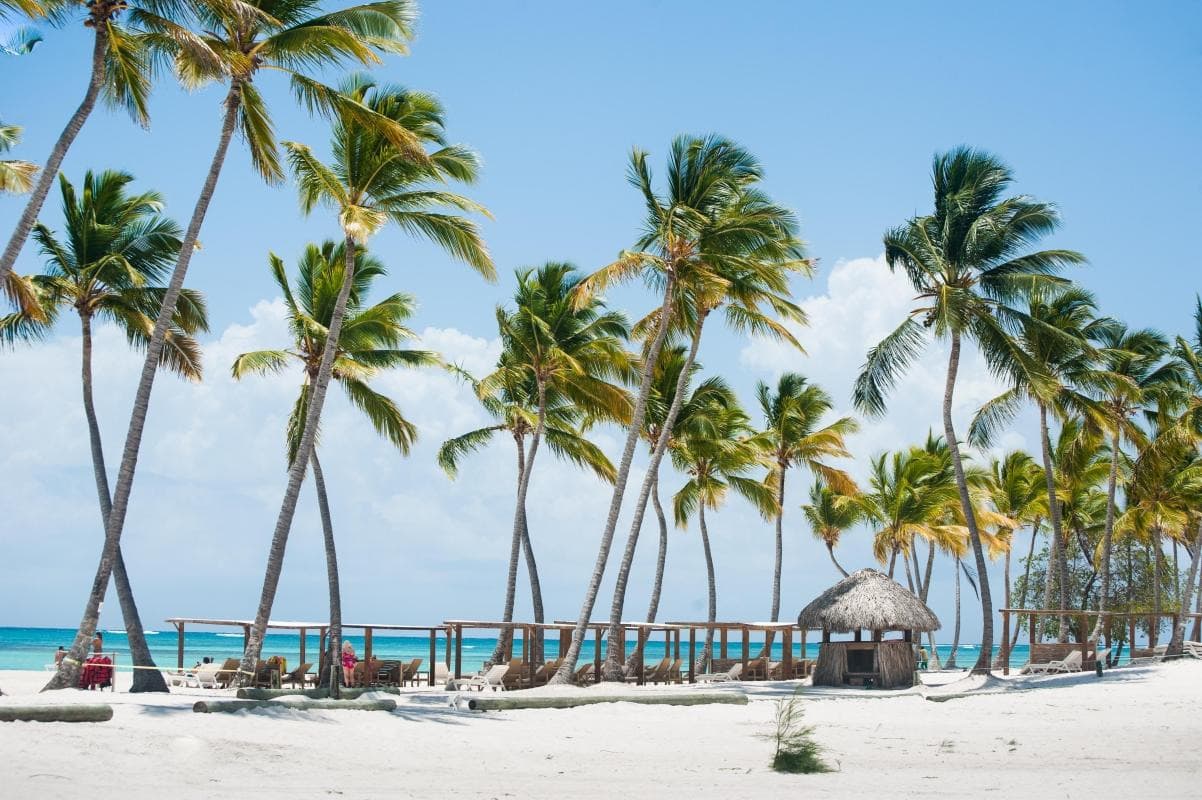
The first thing you notice at Juanillo Beach is how the ocean seems to have been painted in impossible gradations of blue—the kind of turquoise that makes you stop mid-step and angle your face toward the sun. Palm fronds lean and whisper over a wide sweep of white sand; the shoreline curves like a private harbor, protected by a shallow reef that keeps the water calm and warm. Early in the morning the light is thin and private, broken only by the distant hum of boats leaving Cap Cana Marina. By noon, beach umbrellas are dotted along the sand, and the Juanillo Beach Club fills with laughter and the clink of ice in glasses.
Juanillo sits inside Cap Cana on the eastern tip of the Dominican Republic, a place where high-end development rubs up against native coastline and small fishing coves. Its modern reputation—as part playground, part marina-side retreat—is new, but the geology is old. The reef and sand were built by coral and currents over millennia; freshwater lenses beneath the limestone feed the region’s cenotes, the collapsed sinkholes that punctuate the hinterland. Hoyo Claro, one of the region’s newer draws, illustrates that subterranean landscape: a sunlit bowl of clear, spring-fed water tucked into a shady canyon, a short drive from the stretch of coast that frames Juanillo.
There’s a pragmatic ease to visiting Juanillo. It’s a beach that suits both low-effort afternoons—lounge chairs, a cold drink, a book—and activity-packed days that begin before sunrise. A popular half-day plan combines a short hike and swim in Hoyo Claro with a few hours on Juanillo’s sands; another favorite is to start at Cap Cana Marina, board a double-decker catamaran, and knock out snorkeling, a lunch on the beach club, and a cenote dip before sunset. Both itineraries play to what the place does best: clear water, easy access to reefs, and the social infrastructure—restaurants, beach clubs, and secure boat access—that makes it simple to move from land to sea.
Culturally, Juanillo is part of a patchwork. Cap Cana’s master-planned community and the marina bring international tourism and investment. Nearby Punta Cana Village and BlueMall give visitors a chance to see how tourism and local commerce intersect—boutiques, supermarkets, and restaurants serving both international and Dominican staples. Local rhythms remain rooted in the coast: fishermen still head out early, and the island’s Dominican flavor—merengue, fresh pescado (fish), and citrus-forward cocktails—reminds you where you are.
Practically speaking, Juanillo is forgiving. There are no steep trails, no heavy climbs—mostly sand, a few walkways, and shallow reef breaks that make snorkeling easy for beginners. The reef is close enough to swim to from shore in places; organized catamaran trips will anchor at better snorkeling points where coral gardens shimmer and tropical fish are abundant. For Hoyo Claro and other cenotes, expect uneven, rocky paths and a climb down into sunlit caverns—good water shoes and a light layer are helpful.
Timing matters. Early morning offers empty beaches and softer light for photos; late afternoon brings calmer winds and that slow, slanting light that gilds the palms. Midday can be hot and busy, so plan breaks under shade and keep hydration a priority. If you’re combining activities—say, a cenote hike and a sail—book a private or small-group tour to control timing and make the most of each stop.
Safety and stewardship are part of the experience. Coral reefs are sensitive; bring snorkeling gear that won’t harm the reef, use reef-safe sunscreen, and follow local guides’ instructions about where to anchor and swim. Respect the beach clubs’ boundaries and pay any entrance or parking fees—these fees often support lifeguards and maintenance.
Getting there is straightforward from Punta Cana: a short drive to Cap Cana and well-signed access to Juanillo Beach. If you’re based in a resort, many operators include transfers; private transfer services are common and eliminate the guesswork. For a more social day, consider the luxury catamaran cruise—double-decker, open bar, and scheduled snorkeling stops—or the combined cenote-and-beach private tour that lets you tailor the day to fitness level and pace.
Who should go? Families who want calm water and a reliable beach club will find Juanillo accommodating. Snorkelers and casual divers will enjoy the nearby shallow reefs; photographers will love the color palette; and day-trippers who want a little variety—boat time, a hidden cenote, and a waterfront lunch—will leave satisfied. For experienced adventure travelers, Juanillo pairs well with inland hikes or windier surf breaks elsewhere on the island; it’s a base for mixing active exploration with comfortable downtime.
If you leave with anything, let it be this: Juanillo is less about dramatic conquest and more about doing several small things very well—quick, clear swims; a fresh seafood lunch; a close-up view of a hidden cenote. It rewards a light touch and a readiness to move between sea and land. Come for the water, stay for the ease, and remember to give the reef the quiet space it needs to keep dazzling the next wave of visitors.
Trail wisdom
Small choices, better day.
Go early or late
Morning and late-afternoon light are best for photos and calmer water; midday brings crowds and stronger sun.
Use reef-safe sunscreen
Protect coral and your skin—apply biodegradable sunscreen before hitting the water and reapply often.
Bring cash for beach clubs
Some small vendors and beach club extras prefer cash; have small bills for tipping servers and parking fees.
Footwear for the cenote
If you combine a cenote visit, pack light water shoes—trail sections can be slippery and rocky.
Local knowledge
Read the place, not just the route.
Watch for native species including green sea turtles, brown pelicans and tropical reef fish.
Keep an eye out for wildlife during the transition between areas and habitats. Respect distance guidelines.
Local operators now emphasize reef protection and encourage reef-safe sunscreen and no-touch snorkeling; some beach-club fees help fund shoreline maintenance.
Follow the guide's instructions on size limits, ethical handling, and leave-no-trace practices.
Hoyo Claro cenote—sunlit swimming hole just inland from Cap Cana. BlueMall and Punta Cana Village—local shopping alternatives away from resort gift shops
Locally recommended viewpoints and quiet spots known best to local operators.
The Cap Cana area has been rapidly developed for tourism in recent decades; historically the coastline supported small fishing communities and maritime trade.
Maritime roots and regional tradition shape the waterways and working coasts.
Seasonal guide
Four versions of the same landscape.
Spring
Best forcalmer seas · wildlife sightings · comfortable temperatures
Challengesoccasional showers · higher hotel demand around Easter
Late spring offers warm water and fewer storms than summer, making it a sweet spot for snorkeling and beach afternoons.
Summer
Best forlong days · cheaper rates · vibrant marine life
Challengeshotter temperatures · occasional tropical storms · higher humidity
Summer delivers long beach days and active reefs, but watch the forecast for rain and tropical systems.
Fall
Best forquiet beaches · lower prices · storm-watching from shore
Challengeshurricane season peak · possible choppy seas
Fall can be quieter and more affordable, but visitors should monitor hurricane season advisories.
Winter
Best fordry, sunny weather · peak snorkeling visibility · comfortable evenings
Challengeshigher tourist volume · peak-season costs
Winter is the most reliable season for sunshine and clear water—expect the busiest beaches and premium prices.
Pack with intention
What to bring.
Good to know
Common questions.
For catamaran cruises and private cenote-plus-beach tours, book ahead—especially in high season—to secure preferred times and guarantee transfers.
Plan the edges
The details that make the day easier.
Juanillo Beach is part of Cap Cana, a planned marina and resort community; many visitors combine beach time with boat departures from Cap Cana Marina, one of the largest marinas in the Caribbean.
Expect fresh seafood, citrus-forward cocktails and casual beach-club dining—Juanillo Grill offers local flavors with a seaside view. Outside the resort corridors, Punta Cana Village and local markets showcase Dominican crafts and street food.
- Access
- Short drive from Punta Cana; Parking: available at beach club (fees vary); Entrance: public beach with private club areas; Best time: early morning or late afternoon; Cell service: good in populated areas.
Choose operators that follow reef-protection practices, use reef-safe sunscreen, avoid single-use plastics, and respect local marine protected areas to minimize impact.
Explore by topic
Follow the threads.
Keep exploring
Make the story part of the trip.
Set out from Bass Harbor for a private, customizable day on Blue Hill Bay — lighthouses, puffins, seals, and the chance to feel Acadia from the water. Small groups, local captains, unforgettable views.
In four hours you can move from shaded canyon ferns to wind-scoured coastal ridgelines, guided by someone who knows where the light—and the hidden views—live. This private half-day hike on the Monterey Peninsula or Big Sur is compact, curated, and perfect for travelers who want depth without a multiday commitment.
 Related story
Beneath a sky of shifting light, Skaftafell’s ice reads like a map of time. This three-hour guided glacier hike mixes technical instruction with geology and culture: compact, safe, and unforgettable.