
What the day feels like
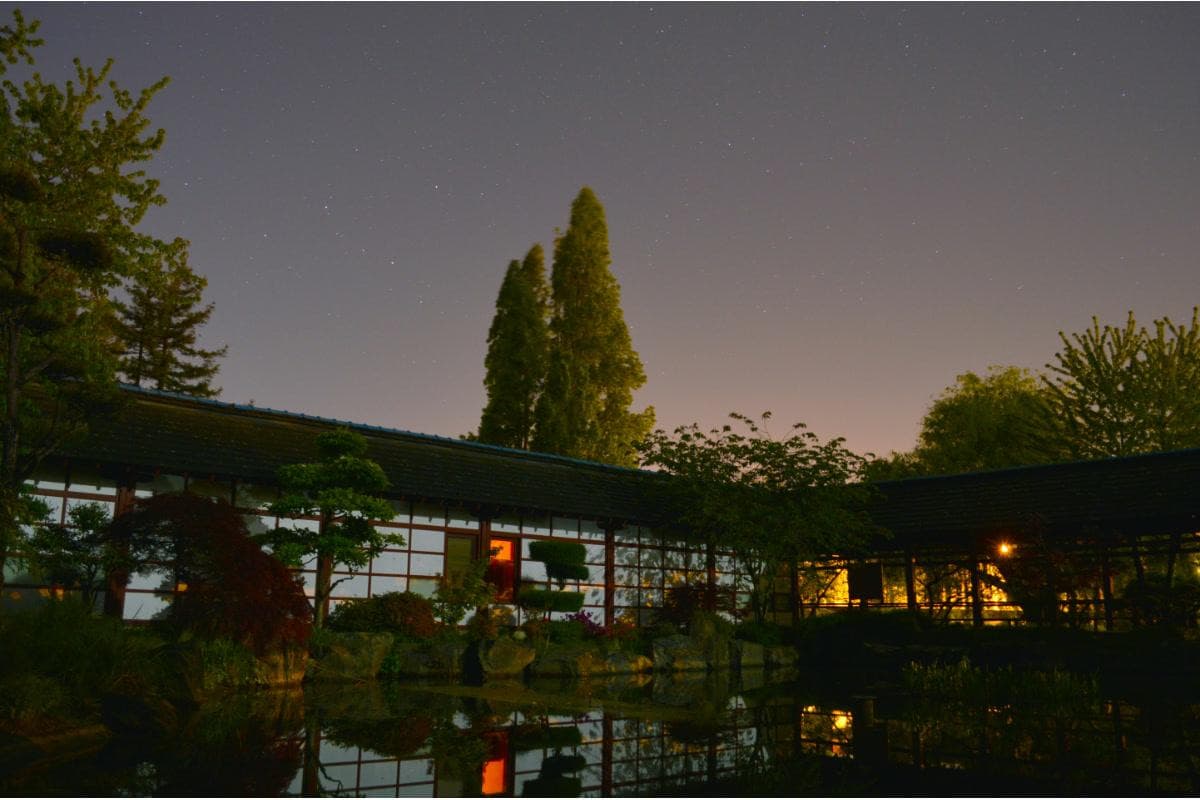
Mornings on Île de Versailles arrive the way an old map unfolds—slowly, with edges softened by mist and the river working like a cursor, erasing the city’s noise bit by bit. Step off the bridge and the air changes: the Erdre’s current nudges the bank; willows lean in to eavesdrop; a path threads between ponds rimmed with iris and mossy stone. This is Nantes’s small, deliberate pause. It’s urban and intimate at once, a compact island of paths and tea houses where the formal lines of a Japanese garden sit happily against French riverine calm.
Walkers tend to arrive with different agendas. Some are local joggers keeping a steady rhythm around the island. Others come with a camera or sketchbook, eyes fixed on reflections, on the way a bamboo fence casts a lattice of shadows across the gravel. And then there are the curious travelers who link a slow loop here with a larger, human-scale encounter with Nantes—often beginning at the Parc de l’Elephant and spilling into a Surprise Walk of Nantes with a Local, a small guided stroll that threads Île de Versailles into a larger story of the city’s neighborhoods, food, and hidden corners. That guided context turns a pleasant garden visit into a cultural map with the best kind of annotations: personal anecdotes and street-level access to the city’s rhythms.
Île de Versailles sits on the Erdre, a river that has shaped Nantes’ fortunes since medieval times. The island itself is modest—more a garden than a wilderness—but its compact scale is part of its appeal. Designed and planted with Japanese influences, the island’s layout prioritizes thoughtful sightlines: stepping stones, wooden bridges, and quiet clearings that invite a pause. In spring, the island blooms with azaleas and magnolias; in summer, the ponds glow with dragonflies; in winter, the bare frames of trees make the sculptural bones of the landscape visible.
There’s a practical elegance to visiting here. The island’s paths are compact—expect a one-kilometer loop if you stay only on Île de Versailles—but combine the island with a guided walk of Nantes and your day stretches into 2–4 hours as you move between riverside viewpoints, market streets, and architectural surprises. Terrain is flat; surfacing alternates between paved promenades and compacted gravel. The island is an ideal half-day outing, and because it sits close to the city center, it’s easy to pair with tram access or a longer riverside bike ride.
Culturally, the island is part of Nantes’s layered identity: a maritime town with industrial roots that has deliberately softened into a creative city—public art, restored docks, and vibrant markets. The local guides offering surprise walks are part interpreter, part curator, part raconteur; they stitch the island into stories about Nantes’s shopkeepers, the best spots for coffee, and where to find quiet views of the Erdre. If you love context with your landscape—who planted what, which bridge was rebuilt, where the best pastries are—you’ll appreciate a local-led walk that makes the island feel like an inserted chapter of a larger book.
When to go and how to do it: Early morning and golden hour are the clear winners for light and solitude. Spring is when the island is at its most fragrant; late afternoon in summer offers cooling breezes off the river; autumn folds the island into amber and copper, and even winter—brisk and bare—has a serenity all its own. There are no steep climbs to worry about, but the island’s surfaces can be slick after rain; sensible footwear and a light rain layer are enough to keep the visit comfortable.
Practicalities: If you have a couple of hours, do the island loop first, then meet your guide at the Parc de l’Elephant for the Surprise Walk of Nantes with a Local. That experience turns a single place into a citywide narrative—your guide’s local checklist will push you beyond obvious stops to neighborhood favorites and tiny ateliers where Nantes’s creative pulse shows up in daily life. For photographers, the island’s reflections and small-scale compositions favor a short lens or a zoom you can lock down on; a tripod helps in low light but isn’t required.
Respect the island. It’s curated, not wild: stick to paths, keep voices low near quiet ponds, and pack out any litter. The island’s small footprint means every footprint counts.
Why go? Île de Versailles is not a blockbuster natural wonder; it’s an urban interlude that rewards slow attention. It’s a place to feel the river’s presence in the city and to connect a gentle landscape with human-scale storytelling. The island is tactile—moss, stepping stones, wooden rails—and when paired with a local-led walk through Nantes, it becomes both a physical and cultural waypoint: a place where the city’s past, present, and creative future converge.
If you’re planning a day in Nantes, give yourself the luxury of time here. Walk slowly. Listen for the river daring you to pause. Let a local’s stories turn bridges and benches into chapters. And leave space in your schedule to wander back into the city’s markets and cafés, the way a good walk leads you somewhere new rather than just gets you from A to B.
Trail wisdom
Small choices, better day.
Go early for light and solitude
Sunrise or early morning brings glassy reflections and fewer visitors—bring a jacket for river breezes.
Combine with a local walk
Book the Surprise Walk of Nantes with a Local to expand the island visit into a 2–4 hour cultural loop through nearby neighborhoods.
Watch footing after rain
Gravel paths and stepping stones can be slippery; choose shoes with good traction.
Respect planted areas
Stay on paths and avoid picking flowers—this small garden is curated and sensitive to trampling.
Local knowledge
Read the place, not just the route.
Watch for native species including kingfisher, grey heron.
Keep an eye out for wildlife during the transition between areas and habitats. Respect distance guidelines.
The island is a managed urban garden—stay on paths and avoid disturbing plantings; local groups work to maintain river health and native species.
Follow the guide's instructions on size limits, ethical handling, and leave-no-trace practices.
Small riverside viewpoints on the island’s north bank—great for reflections at dawn. Nearby artisan patisseries in the surrounding neighborhood—ask a local guide for recommendations
Locally recommended viewpoints and quiet spots known best to local operators.
The Erdre and its islands have long defined Nantes’s relationship to water; Île de Versailles is a small landscaped island that reflects the city’s interest in blending horticulture and urban life.
Maritime roots and regional tradition shape the waterways and working coasts.
Seasonal guide
Four versions of the same landscape.
Spring
Best forflower displays · pleasant temperatures · birdwatching
Challengessudden showers · busy weekends
Spring brings blossoming azaleas and magnolias and mild weather—pack a light rain layer and aim for weekday mornings.
Summer
Best forevening strolls · dragonflies and insects · extended daylight
Challengesheat spikes · more tourists
Long days and warm evenings make summer great for lingering; arrive early or late to avoid midday crowds and sun.
Fall
Best forcolorful foliage · crisp air · photography
Challengesshorter daylight · occasional wet weather
Autumn colors render the island sculptural—bring warmer layers and plan shoots for mid-afternoon golden hour.
Winter
Best forquiet solitude · architectural details · short visits
Challengescold winds · barren plantings
Winter is spare but peaceful; dress warmly and appreciate the island’s structural lines and reflective ponds.
Pack with intention
What to bring.
Good to know
Common questions.
A single loop around the island takes about 30–60 minutes at a relaxed pace; plan 2–4 hours if you add the Surprise Walk of Nantes with a Local.
Plan the edges
The details that make the day easier.
Île de Versailles is known locally for its Japanese-style garden and peaceful riverside paths on the Erdre—it's one of Nantes’ most photographed pocket gardens.
Nantes blends maritime history with a lively creative scene—pair your island visit with a pastry at a local boulangerie, and ask your guide about the city’s public artworks and riverside restorations.
- Getting there
- tram or bike from central Nantes. Duration: 1–2 hours solo, 2–4 with guided walk. Cost: island is free; guided walks are ticketed. Accessibility: mostly flat, some gravel and steps.
Respect the garden’s plantings and wildlife—use existing paths, avoid single-use plastics, and consider a guided walk with a local to support small businesses and cultural knowledge sharing.
Explore by topic
Follow the threads.
Keep exploring
Make the story part of the trip.
Set out from Bass Harbor for a private, customizable day on Blue Hill Bay — lighthouses, puffins, seals, and the chance to feel Acadia from the water. Small groups, local captains, unforgettable views.
In four hours you can move from shaded canyon ferns to wind-scoured coastal ridgelines, guided by someone who knows where the light—and the hidden views—live. This private half-day hike on the Monterey Peninsula or Big Sur is compact, curated, and perfect for travelers who want depth without a multiday commitment.
 Related story
Beneath a sky of shifting light, Skaftafell’s ice reads like a map of time. This three-hour guided glacier hike mixes technical instruction with geology and culture: compact, safe, and unforgettable.