
What the day feels like
The boat nose pitches once, twice, and then the mangrove-fringed shoreline of Kuching slides free of view. You feel the ocean take up the rhythm of the day — a steady, blue cadence that dares you a little as the hull cuts toward a scatter of white sand and coral off Sarawak’s coast. After roughly an hour crossing open water, Satang Island announces itself: small, cooperative, and uncompromisingly wild. The wind strips away the city’s heat and the familiar hum of Kuching. Out here the sea has agency. It pushes, it hushes, and it offers up a world that operates on a different clock — one measured in tides and turtle tracks.
Talang Satang National Park is not dramatic in scale; its power is quieter, ecological and urgent. The park is a mosaic of islets and reef flats tucked into the South China Sea, protected for the turtles that return to nest and for the coral gardens that perfume its shallow waters. A guided day trip from Kuching is the most common way to experience it: a one‑hour boat ride across open water, followed by time on sand and in the shallows snorkeling over reefs that still host colorful anemones, brittle stars, and the sudden, sideways flash of a reef fish.
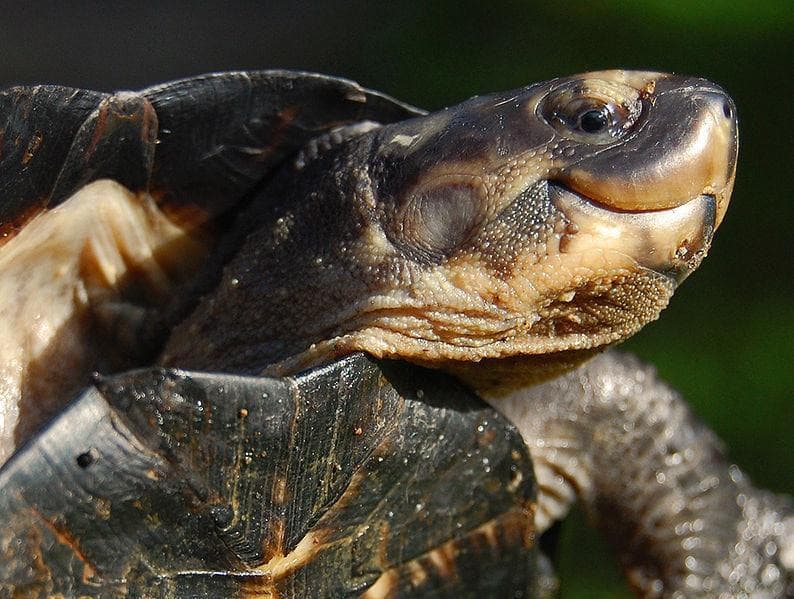
The human story of Talang Satang is as practical as it is protective. Local rangers and community initiatives run a turtle hatchery on Satang Island where visitors can learn about conservation work to protect green and hawksbill turtles. These programs are the spine of the park’s preservation strategy: nests are monitored, eggs are sometimes relocated to secure hatcheries, and released hatchlings are counted so biologists can estimate survival trends. You’ll also get a clean, clear primer on behavior on turtle beaches — how to keep light low, keep noise down, and let nature do its work.
Marine geology here is intimate. Reefs grow on a ribbon of submerged limestone and sand, rising into shallow gardens that are ideal for snorkelers of all levels. The water is often calm in the morning, which makes for clear visibility and approachable snorkeling — think shallow fragments of coral teeming with damselfish, wrasse, and parrotfish that graze like lawnmowers. From the boat there’s a real chance to spot the squat, bulbous head of the Irrawaddy dolphin as it surfaces — an encounter that feels improbably cinematic but is also a reminder of how fragile these coastal communities are.
Practicalities are straightforward but essential. Tours depart from Kuching; expect the crossing to take about an hour and to navigate exposed stretches of sea where waves can be lively. That makes the timing of your trip important: morning departures usually find calmer water, cooler air, and better snorkeling visibility. Most operators provide snorkeling gear, but bring a thin rashguard, reef‑safe sunscreen, and water shoes for walking over black volcanic rock and coral rubble.
On the island itself, days unfold at a gentle pace. Walk the sand and you’ll find turtle tracks — parallel, careful lines carved into the dunes — evidence of the nocturnal journeys that turtles make. Look out over the reef and you’ll see life ticking away in the shallows: butterflyfish flirting at the coral edge, sea cucumbers sampling the detritus, and the occasional sting of color from a nudibranch. The turtle hatchery provides a grounding contrast to the postcard — educational displays and ranger talks that translate conservation science into accessible action. Respect the hatchery protocol: no flash photography, no loud noises, and follow ranger guidance when viewing any nests or hatchlings.
For the active traveler, snorkeling is the centerpiece. Snorkel zones are shallow and protected, suitable for confident beginners and veteran sea-goers. Expect to float over hard and soft corals with visibility that varies from 5 to 20 meters depending on tides and season; early mornings are best for clarity and seeing the reef wake up. If you’re lucky, a pod of Irrawaddy dolphins will escort your boat on the way out — their faces are blunt and inquisitive, and seeing them in the wild is quietly thrilling.
Preparation matters. Seasickness is common on the exposed crossing; take a prophylactic or choose a day with calmer forecasts. Bring drinking water, snacks, and biodegradable trash bags — there are no services on the islands. Leave your fins and reef gear rinsed after use and avoid touching the coral; it’s surprisingly fragile. If you want to visit the hatchery, check with your operator beforehand to ensure the site is open and to learn the best visiting windows — nesting and hatching are seasonal events.
Talang Satang is not only a snorkeling stop; it’s a classroom. The conservation work here is ongoing, and responsible tourism helps fund patrols, monitoring, and education. A visit can be both an uncomplicated day trip and a meaningful contribution to preservation. When you return to Kuching at dusk, still damp and smelling of salt, the city lights look different — not less, just more fragile, a reminder of the thin slice of habitat that lies between urban life and the deep blue.
If you go: favor operators that coordinate with the hatchery and rangers, arrive early, pack reef‑safe products, and come ready to trade speed for depth — the best discoveries here are patient ones: the slow excavation of a turtle’s nest, the measured blink of a dolphin, the quiet colony of coral that holds a million small reasons to care.
Trail wisdom
Small choices, better day.
Take the morning crossing
Morning departures usually mean calmer seas and better snorkeling visibility.
Bring seasickness prevention
The one‑hour open‑water crossing can be choppy — take medication or use wrist bands if you’re prone to motion sickness.
Use reef‑safe sunscreen
Protect coral by choosing mineral‑based sunscreen and reapply before entering the water.
Follow hatchery rules
No flash photography, keep distance from nests, and follow ranger instructions to avoid disturbing turtles.
Local knowledge
Read the place, not just the route.
Watch for native species including Green and hawksbill turtles, Irrawaddy dolphin.
Keep an eye out for wildlife during the transition between areas and habitats. Respect distance guidelines.
Local hatchery programs, ranger patrols, and tour operator partnerships are central to protecting nests and monitoring marine life; visitors support these efforts through responsible tourism.
Follow the guide's instructions on size limits, ethical handling, and leave-no-trace practices.
Satang Besar’s quieter beaches for contemplative walks. Early‑morning boat approach when dolphins often ride the bow wave
Locally recommended viewpoints and quiet spots known best to local operators.
Talang Satang was designated as a marine protected area to conserve important turtle nesting beaches and coastal biodiversity off Kuching.
Maritime roots and regional tradition shape the waterways and working coasts.
Seasonal guide
Four versions of the same landscape.
Spring
Best forCalmer seas · Early-season nesting activity
ChallengesIntermittent rain · Variable visibility
Spring (March–May) transitions into the drier months—mornings are often calm and good for snorkeling, though occasional showers can reduce visibility.
Summer
Best forClear water · Peak snorkel conditions · Dolphin sightings
ChallengesStrong sun · Crowds on popular days
Summer (June–August) is typically the best window for clear seas and comfortable snorkeling; prepare for strong sun and busy operators.
Fall
Best forTurtle hatchling season · Fewer tourists
ChallengesOccasional monsoon squalls later in season
Fall (September–November) can be excellent for witnessing hatchlings and has the benefit of thinner crowds, though late fall may see incoming storms.
Winter
Best forQuieter tours · Unique low‑light photography
ChallengesHigher chance of rough seas and rain during monsoon
Winter (December–February) is the wettest period; tours run but be prepared for rougher crossings and reduced visibility.
Pack with intention
What to bring.
Good to know
Common questions.
Expect about a one‑hour crossing each way, depending on sea conditions and the operator.
Plan the edges
The details that make the day easier.
Talang Satang National Park protects critical nesting grounds for green and hawksbill turtles and is one of the few places in Malaysian waters where Irrawaddy dolphins can be encountered.
Return to Kuching for fresh seafood, Sarawak laksa, and riverside food stalls; local boatmen and ranger staff often come from coastal villages where fishing and turtle stewardship are part of community life.
- Departure
- Kuching harbor; Boat time: ~1 hour each way; Duration: half‑ to full‑day tours; Gear: snorkel equipment often provided but better quality if you bring your own; Conservation: follow hatchery rules.
Choose operators that support the hatchery and follow no‑touch wildlife guidelines, use reef‑safe sunscreen, and avoid anchoring on coral—your visit should have a net positive for protection efforts.
Explore by topic
Follow the threads.
Keep exploring
Make the story part of the trip.
Set out from Bass Harbor for a private, customizable day on Blue Hill Bay — lighthouses, puffins, seals, and the chance to feel Acadia from the water. Small groups, local captains, unforgettable views.
In four hours you can move from shaded canyon ferns to wind-scoured coastal ridgelines, guided by someone who knows where the light—and the hidden views—live. This private half-day hike on the Monterey Peninsula or Big Sur is compact, curated, and perfect for travelers who want depth without a multiday commitment.
 Related story
Beneath a sky of shifting light, Skaftafell’s ice reads like a map of time. This three-hour guided glacier hike mixes technical instruction with geology and culture: compact, safe, and unforgettable.