
What the day feels like
The ferry slips away and the city blinks into a thinner light—salt air and granite instead of cobblestones. On Korkeasaari, Helsinki Zoo’s island, the buildings sit low and practical and the paths wind among pines that smell like resin and smoked coffee. A pair of red-capped oystercatchers skitters the shoreline; somewhere inland a Eurasian beaver’s presence is hinted at by chewed twigs. You feel, quickly and calmly, that the city has yielded a pocket of wild.
Korkeasaari has been doing this trick for more than a century. Founded in 1889, Helsinki Zoo occupies a rocky islet a short boat ride from the city center, a place where European granite meets the Gulf of Finland. The terrain is honest—bedrock shoulder-to-shoulder with needle-carpeted ground, paths that curl past seaside ledges and into sheltered enclosures. The zoo’s architecture and animal houses nod to practical Nordic design: low, timbered roofs and sheltered viewing points that keep visitors close but never imposing.
What makes Korkeasaari compelling is the way it balances scale and intimacy. You can wander from bears to tigers to tropical aviaries in less than a couple of hours if you press, but it rewards slower exploration: read the keeper notes, stand at the seal pool when they feed, catch the quiet of the island’s western outlook as ferries sketch white lines across the water. The enclosures favor naturalism—rockwork, water channels, mixed planting—so animals move like animals rather than theatrical exhibits.
Geology is part of the story. Korkeasaari’s exposed granite and small coves are typical of the archipelago that fringes Helsinki; the stone has been both a stage for local industry and today’s wildlife architecture. Culturally, the zoo sits in a Scandinavian tradition that treats public outdoor spaces as a civic good: a place where families, students, and solo travelers intersect. Expect the hum of Finnish life—frequent coffee breaks, a calm respect for space, and efficient, friendly service.
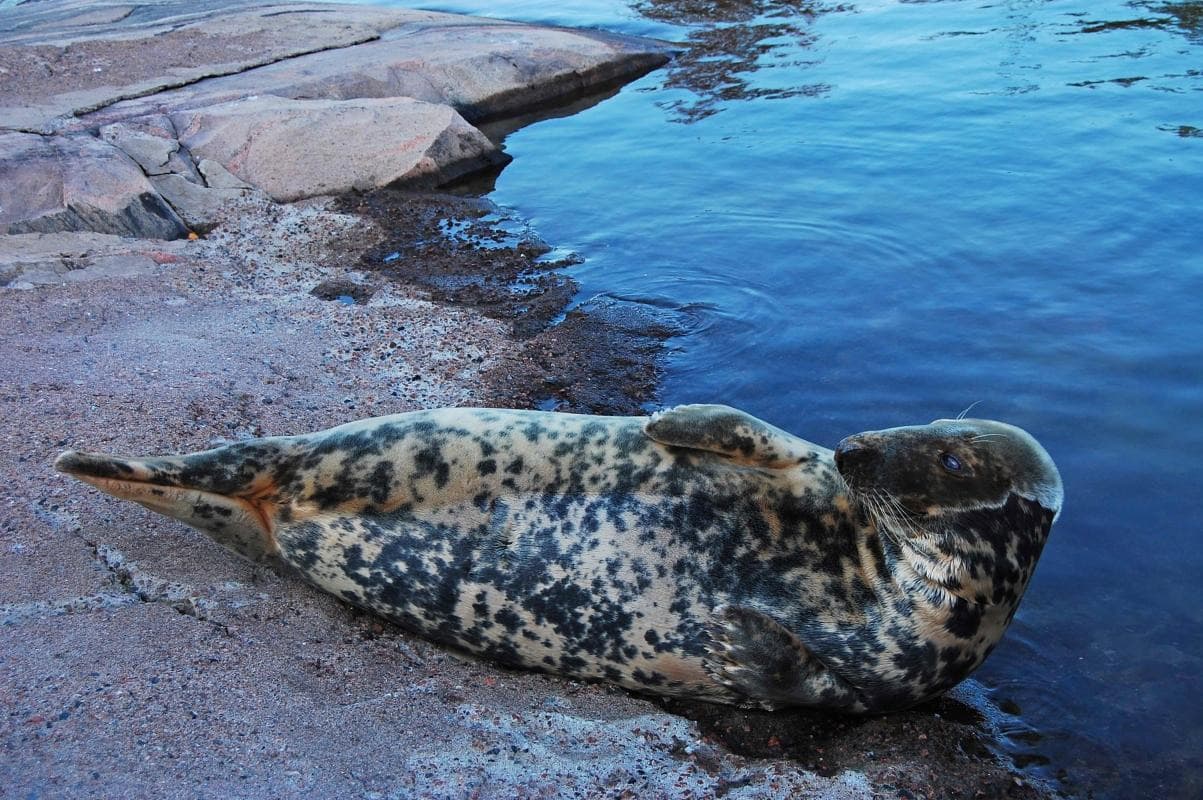
There are practical ways to layer your visit. If you’re arriving from the center, the City Sightseeing Hop-On Hop-Off bus has a stop that makes Korkeasaari an easy half-day outing; it’s a straightforward option if you want to pair the zoo with other highlights on a tight schedule. For a different approach, take to the water. The Helsinki City 3-Hour Kayak Trip threads between islands and offers a view of Korkeasaari’s rocky fringes from sea level—an especially good choice in mild weather when the Gulf is calm. Approaching by kayak gives you an appreciation for the island’s coastal edges, the slip of seals along the shallows, and the quiet places where city noise thins.
Practicalities: the island is compact and largely walkable, with a mix of paved paths and natural trails. Plan for two to four hours to move through enclosures, catch an animal talk, and linger at viewpoints. Winter changes the game—pack layers and be ready for icy paths—while summer spreads out opportunities for outdoor feeding times and the chance to pair the zoo with a swim or a picnic.
For families and photographers alike, there are small rewards. The Tropical House is an indoor escape year-round when Arctic wind makes the island unforgiving. The viewpoints toward Helsinki—framed by sea and rooftop—are satisfying at golden hour. And because the zoo is an active participant in European breeding programs and local conservation efforts, watching the animals feels tethered to meaningful work rather than mere spectacle.
If you go: time your visit mid-morning when keeper talks are scheduled (check the daily board), bring binoculars for the shoreline, and consider combining the zoo with a kayak trip for perspective. Wear sturdy shoes for bedrock and stairs, and keep a light rain shell handy—the weather here can flip on five-minute notice.
Korkeasaari is not a wilderness retreat; it’s a carefully managed island where conservation, public access, and urban life meet. That intersection is the attraction. Whether you arrive by bus, ferry, or from a kayak, the zoo rewards curiosity: a quiet polar bear pacing a tidal pool; a tiger padding a shaded rock; a child transfixed by the tropical aviary. The experience is equal parts learning and simple outdoor pleasure, shaped by Nordic practicality and the sea’s slow insistence.
Wherever you start—city tram, hop-on bus, or a three-hour paddle—plan to leave with a sense of how Helsinki scaffolds nature into city life. On Korkeasaari, the animals are the reason you come, but the island’s geology, culture, and coastal silence are the ways you remember it.
Trail wisdom
Small choices, better day.
Time your visit
Arrive mid-morning to catch keeper talks and feeding demonstrations—these are short but illuminate animal behavior.
Layer for changeable weather
Bring a light waterproof shell and warm mid-layer; wind off the Gulf can be much colder than the city center.
Combine land and sea
Book the 3-hour kayak trip for a shoreline perspective of Korkeasaari—paddling gives access to quieter coastal views the ferry doesn’t.
Respect the animals
Stay on marked paths, avoid flash photography in sensitive enclosures, and follow keeper instructions during talks.
Local knowledge
Read the place, not just the route.
Watch for native species including polar bears, Amur tigers.
Keep an eye out for wildlife during the transition between areas and habitats. Respect distance guidelines.
The zoo is active in European species conservation and breeding programs and emphasizes habitat-based enclosures and public education to support biodiversity.
Follow the guide's instructions on size limits, ethical handling, and leave-no-trace practices.
Rocky western viewpoint with skyline reflections at sunset. The Tropical House—an indoor oasis that’s particularly rewarding on cold or rainy days
Locally recommended viewpoints and quiet spots known best to local operators.
Helsinki Zoo on Korkeasaari was established in 1889, one of the oldest zoos still operating in Europe, located on a granite island close to the city center.
Maritime roots and regional tradition shape the waterways and working coasts.
Seasonal guide
Four versions of the same landscape.
Spring
Best forwatching newborns · quieter paths · migratory birdwatching
Challengesmuddy trails · unpredictable weather
Spring brings newborns and active keepers’ programs, but expect muddy sections and variable temperatures—dress in layers.
Summer
Best forfull animal activity · kayaking around the archipelago · long daylight photo ops
Challengescrowds on sunny days · higher ferry/kayak demand
Summer is optimal: long light, animal activity, and calm sea conditions for paddling—book boat or kayak slots in advance.
Fall
Best forautumn colors · fewer tourists · cool comfortable walks
Challengesshortening daylight · occasional storms
Fall offers crisp air and quieter trails; coastal winds grow stronger, so layer up for sudden chills.
Winter
Best forsnow-dusted enclosures · indoor tropical house · clear light for photography
Challengesicy paths · reduced animal visibility due to cold
Winter is atmospheric but cold—paths can be icy and some animals are less active; rely more on indoor exhibits.
Pack with intention
What to bring.
Good to know
Common questions.
You can reach Korkeasaari by a short ferry from the Market Square in central Helsinki, by the City Sightseeing hop-on hop-off bus (which stops at the zoo), or by kayak on guided trips—check schedules seasonally.
Plan the edges
The details that make the day easier.
Helsinki Zoo (Korkeasaari) opened in 1889 and is one of the oldest zoos in the world, located on an island a short ferry ride from central Helsinki.
Pair your visit with a Finnish coffee break—'kahvi'—at the on-site café and try rye or salmon-smoked snacks; locals treat parks and zoos as everyday public spaces, so expect a calm, family-friendly atmosphere.
Support local conservation by using refillable water bottles, following path restrictions, and learning about the zoo’s breeding and habitat restoration programs; purchases at the gift shop often fund conservation work.
Explore by topic
Follow the threads.
Keep exploring
Make the story part of the trip.
Set out from Bass Harbor for a private, customizable day on Blue Hill Bay — lighthouses, puffins, seals, and the chance to feel Acadia from the water. Small groups, local captains, unforgettable views.
In four hours you can move from shaded canyon ferns to wind-scoured coastal ridgelines, guided by someone who knows where the light—and the hidden views—live. This private half-day hike on the Monterey Peninsula or Big Sur is compact, curated, and perfect for travelers who want depth without a multiday commitment.
 Related story
Beneath a sky of shifting light, Skaftafell’s ice reads like a map of time. This three-hour guided glacier hike mixes technical instruction with geology and culture: compact, safe, and unforgettable.