
What the day feels like
On a humid Rio morning the bus peels away from Avenida Atlântica and the city falls away into the green. The road climbs, windows fog, and the urban noise of Copacabana recedes into birdcalls. Within an hour you can be under canopy so thick it softens light into a green wash, the kind that makes you slow your breath and pay attention. That is Tijuca: a stitched-together patchwork of planted forest, jagged granite, and forgotten watercourses that dared to come back from near ruin. The Caves and Waterfalls of Tijuca Forest tour packages that link the Pedra Bonita hike with a circuit of secret pools feel less like a checklist and more like a return ticket to an older Rio — one threaded with waterfalls, caves and hang-glider launches looking toward the Atlantic.
Aboard a private shuttle you stop first for sweeping views at Canoas, a low-key perch that frames São Conrado and the ocean beyond. Then the trail narrows and the hike to Pedra Bonita begins: roughly 35 minutes uphill on a well-marked path, then 30 minutes back down. The summit is blunt and granite-smooth; from it, the city looks small and deliberate. Pedra Bonita is not a climb of Everest proportions, but the exposure and the ocean panorama make it feel significant. On a clear day hang-gliders dot the air like small ships, daring the thermals below.
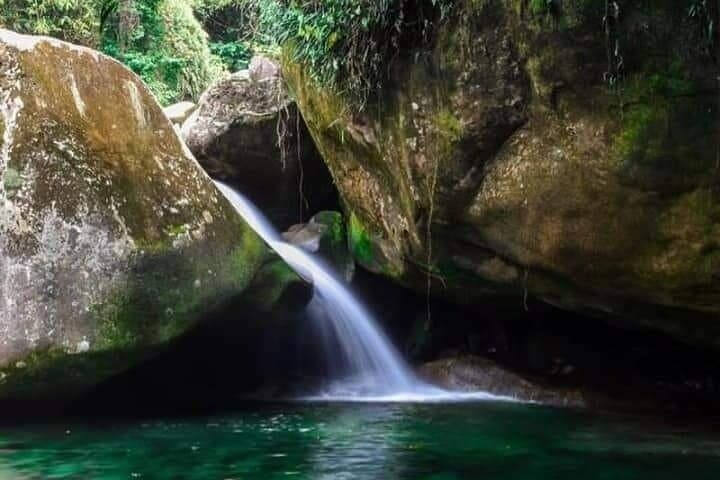
From the summit, the day opens into a series of micro-adventures: a snack break, a plunge pool at Taunay Waterfall, and short, easy jaunts to Bat Cave and Bernardo Cave. The guide’s pace is conversational and flexible—this tour is private by default and tailored for people who want to move and explore rather than march. Baronesa and Diamantina waterfalls follow, each with its own character: Taunay is a stage-worthy drop with a steady flow; Diamantina hides behind a ferned corridor and feels mildly secretive. A stop at Chinese View may be on the list, though it’s often closed on weekends and holidays, so expect a workable itinerary rather than a rigid script.
What makes this tour satisfying for many travelers isn’t raw difficulty but variety. In a single day you move from viewpoint to summit to caves and pools, tracing Tijuca’s geology: tilted granite outcrops and water-carved basins that collect rainfall from the mountaintops. Culturally, the forest is a study in human and natural resilience. Most of the trees here are the result of 19th-century reforestation to protect Rio’s watershed; the canopy you move through is, in part, a deliberate repair project. Guides often fold in local lore—how bandits hid in these caves, how water routes shaped old farms and now feed the city—so the walk is as much about stories as it is about steps.
For practical-minded adventurers, the logistics are straightforward. The full-day tour runs about nine hours, with pickup in Zona Sul and door-to-door drop-off. Boots with good tread are essential for wet rock and muddy sections; bring a swimsuit and a towel if you want to take a dip, and a lightweight rain layer for sudden tropical showers. The tour is not recommended for people with severe knee or back issues but is very accessible to anyone in regular hiking shape. Guides on these trips know the less obvious pools and caves—book a guided version to reach spots many independent hikers miss.
If you want to make the most of the experience, arrive with a loose plan: aim for morning light on Pedra Bonita, stay flexible about the order of waterfalls, and keep phone batteries charged for the vistas. The tour is an excellent primer for longer explorations of Tijuca National Park—the lift of your pulse on steep steps, the sudden hush of a cave, the cold shock of a natural pool all act as good training for bigger routes in the region.
When to come? Rio’s drier months offer clearer skies and more comfortable hiking; summer brings heat, afternoon storms and larger flows for the waterfalls, while winter typically gives crisper air and lower humidity. Because Chinese View can be closed on weekends and holidays, weekday departures are a fine option if you want that specific vantage point.
This is a day that rewards the curious. It combines the physical pleasure of short climbs, the sensory reward of hidden plunges, and a local guide’s knowledge of where to stop, how to keep safe on slippery stone, and when to just sit and listen. For travelers who want a concentrated taste of what Tijuca does best—a mix of geology, recovery, and city-facing scenery—this circuit is an efficient, memorable way to see it. For bookings and local guide details, check a trusted operator’s tour page, like this Tijuca Forest offering that links Pedra Bonita with caves and hidden pools: <a href="https://app.advcollective.com/local-experts/caves-and-waterfalls-of-tijuca-forest-pedra-bonita-hike-hidden-pools">Caves and Waterfalls of Tijuca Forest tour</a>. The page includes logistical details, customization options, and pickup zones for Zona Sul guests. If you want to learn more about the route and insider stops, the same tour listing is a good jumping-off point for planning and questions: <a href="https://app.advcollective.com/local-experts/caves-and-waterfalls-of-tijuca-forest-pedra-bonita-hike-hidden-pools">see the full itinerary and guide info</a>.
At the end of the day you’ll be dropped back where the green meets the city; it’s common to be sticky with humidity, slightly sunburnt in places and perfectly content. You’ll have crossed waterfalls, ducked into caves, and stood on a granite slab that looks out to both ocean and metropolis—a neat way to experience Rio in one long, layered breath.
If you’re shopping for a guide-first day in Tijuca, prioritize private or small-group options so your pace is honored. Bring curiosity, a good pair of shoes and the willingness to cool off in natural pools. The forest will repay you with scenery and stories, and the Pedra Bonita summit will remind you of why people keep coming back to this complicated, generous city.
Trail wisdom
Small choices, better day.
Start Early
Beat crowds and midday heat by arriving at Pedra Bonita in the morning for clearer views and calmer trails.
Grip-Ready Footwear
Wear trail shoes with good tread—the trails and wet rock near waterfalls can be slippery.
Bring a Swim Kit
Pack a lightweight towel and swimsuit for quick dips at Taunay or Diamantina pools.
Respect Cave Ecology
Avoid touching cave formations and keep voices low—bats and nesting birds use these shelters.
Local knowledge
Read the place, not just the route.
Watch for native species including toucans, capuchin monkeys.
Keep an eye out for wildlife during the transition between areas and habitats. Respect distance guidelines.
Stick to marked trails, avoid disturbing wildlife or cave interiors, and pack out all trash—local guides work with park authorities to minimize human impact.
Follow the guide's instructions on size limits, ethical handling, and leave-no-trace practices.
A narrow ferned corridor near Diamantina Waterfall that forms a natural photo frame. Small side pools under rock overhangs visited only by guides after light rains
Locally recommended viewpoints and quiet spots known best to local operators.
Much of Tijuca was replanted in the 19th century as a reforestation project to protect Rio’s water supply, making it one of the world’s largest urban forests.
Maritime roots and regional tradition shape the waterways and working coasts.
Seasonal guide
Four versions of the same landscape.
Spring
Best forwildflowers and fresh foliage · moderately flowing waterfalls
Challengesoccasional rain showers · muddy trails after storms
Spring brings regeneration—green, full pools and comfortable temperatures, but be ready for sudden rain.
Summer
Best forlush rainforest scenery · peak waterfall flows
Challengeshigh heat and humidity · frequent afternoon storms
Summer makes waterfalls dramatic and full, but watch for hot, humid conditions and sudden downpours.
Fall
Best forclearer skies · pleasant hiking conditions
Challengesvariable rainfall early in season · cooler mornings
Fall offers steady, pleasant weather and good visibility—ideal for photos and comfortable hiking.
Winter
Best forcrisper air and lower humidity · clear ocean views from Pedra Bonita
Challengesreduced waterfall flow in very dry years · cooler water for swims
Rio’s winter is drier and cooler—great for hiking and vistas, though some pools may be smaller.
Operator details
What the booking data adds.
Included
- ✓Private transportation
- ✓Air-conditioned vehicle
Not included
- —Water
- —Snacks
Good to know
- ✓Suitable for all physical fitness levels
Pack with intention
What to bring.
Good to know
Common questions.
The ascent is short—about 35 minutes—but has steep sections and uneven rock; it’s moderate and suitable for most people with basic fitness.
Plan the edges
The details that make the day easier.
Tijuca National Park was largely replanted in the 19th century to restore Rio’s watershed and is considered one of the world’s largest urban forests.
After the hike, head to Santa Teresa for late lunch—try Aprazível for regional cuisine and sweeping views; alternatively, cool off with a coconut water on São Conrado beach and sample local street snacks in Praça Santos Dumont.
- Closest airports
- Santos Dumont (SDU) or Galeão (GIG); typical pickup from Zona Sul hotels; driving from Zona Sul 30–60 minutes depending on traffic; cell service intermittent under canopy; no park permit required for day visits but some viewpoints close on weekends
Tijuca is an urban conservation success—pack out all trash, stay on trails, and avoid disturbing cave interiors or wildlife to help protect this regenerated forest.
Explore by topic
Follow the threads.
Keep exploring
Make the story part of the trip.
Set out from Bass Harbor for a private, customizable day on Blue Hill Bay — lighthouses, puffins, seals, and the chance to feel Acadia from the water. Small groups, local captains, unforgettable views.
In four hours you can move from shaded canyon ferns to wind-scoured coastal ridgelines, guided by someone who knows where the light—and the hidden views—live. This private half-day hike on the Monterey Peninsula or Big Sur is compact, curated, and perfect for travelers who want depth without a multiday commitment.
 Related story
Beneath a sky of shifting light, Skaftafell’s ice reads like a map of time. This three-hour guided glacier hike mixes technical instruction with geology and culture: compact, safe, and unforgettable.