
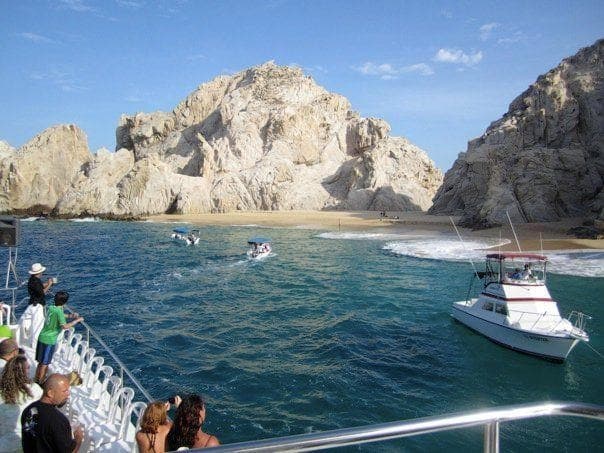
What the day feels like
The engine slows, the coastline slides into a serrated silhouette, and the water—so impossibly clear it seems like glass laid over concrete—spills open into a thousand shades of teal and cobalt. You feel the boat's wake in your ribs and a marine breeze pressing the scent of salt and sun-warmed kelp against your face. This is the Sea of Cortez (Gulf of California), a long, skinny ocean of islands, hidden coves and unexpected encounters where pelicans hover like punctuation and the water seems to dare you to jump in.
From the deck, the world reads like a geological field guide. The islands that pockmark the gulf are the crumpled shoulders of the Baja Peninsula—basalt and granite pushed up by tectonics, then sculpted by wind and wave. Offshore, pinnacles and shallow reefs cradle kelp forests and coral patches; in shallow bays you’ll find sandy flats that warm quickly in spring, magnets for rays and juveniles. Jacques Cousteau famously called this place "the world’s aquarium"—an apt description for a sea that supports an astonishing diversity of life and two UNESCO World Heritage Zones.
History here is layered. Indigenous communities—Cochimí and Seri among them—fished these waters long before Spanish galleons rounded the peninsula. Later, isolated missions and fishing camps dotted the rugged shore, and the gulf became a contested corridor of trade and natural resource use. Today, small coastal towns like La Paz and Loreto serve as launch points for expeditions, while conservation efforts and responsible tourism have begun to rebalance centuries of extraction with protection.
The Sea of Cortez is experiential rather than a single destination: you come for island-hopping, snorkeling around colorful reefs, watching blue whales surface like moving mountains, fishing for dorado and yellowtail, or simply drifting in a turquoise cove while pelicans argue overhead. Espíritu Santo—an island off La Paz—is a common first stop for snorkelers and kayakers; its sheltered bays offer easy access to reefs and curious sea lions. Farther north and south, the mix of desert and sea produces dramatic contrasts: barren volcanic slopes dropping into warm sheltered water where sea turtles nap and schools of jacks pulse in unison.
Practical considerations shape the adventure. Day trips from La Paz or Cabo San Lucas typically run 4–8 hours: expect boat transfers of 30 minutes to several hours depending on the itinerary. Waters can be calm or brisk; currents around channels and islands can surprise even experienced paddlers. For snorkeling, visibility often exceeds 30 feet in summer months; winter sees cooler water and better conditions for whale watching (humpbacks and the massive blue whale during migration peaks). If you’re fishing, the gulf rewards experienced anglers with opportunities for sportfishing—light tackle and trolling are the rules, and local captains know the rhythms of the schools.
Timing matters. Early morning departures avoid afternoon seas and give you golden-hour light for photography; mid-day is warmer for snorkeling and paddling. Hydration and sun protection are not negotiable: the solar angle strips shade from exposed decks, and salt spray dries you faster than you think. Footwear should be strap-secure and suitable for moving on slippery boat decks and pebbly island shores. And because much of the Sea of Cortez sits within fragile marine ecosystems, use reef-safe sunscreen, do not touch coral or wildlife, and respect local no-take zones.
For planning: choose the experience that matches your appetite. Snorkel and kayak tours are accessible to fit, confident swimmers and families; wildlife cruises and whale-watching are low-impact and require little technical skill; fishing charters suit anglers who can stand for extended periods and have basic tackle knowledge. Multi-day liveaboard trips transform the gulf into a moving basecamp—ideal if you want early and late light, remote islands and night fishing.
Baja’s coastal towns round out the trip. La Paz offers a calm waterfront malecón, fresh ceviche and fish tacos that taste of the sea itself, plus guides and gear if you need a last-minute buy. Loreto leans quieter and more historic, a place where mission walls and local cafés mingle with expedition logistics. Wherever you launch, support locally owned skippers and guides; many are active participants in ongoing conservation and community stewardship.
The Sea of Cortez is a destination that asks you to slow down, listen and look closely. It rewards patience: a sea lion will look you in the eye from a few feet away; a school of jacks will rearrange the water into living architecture; a breaching whale will remind you why so many come here to witness life at the scale of giants. It’s an adventure that balances approachable beachtime and demanding ocean experiences—accessible for newcomers, rich enough for repeat expeditionary travel.
If you go: pick a season that matches your goal, prepare for sun and salt, and plan your days around tides and weather. Bring good optics, a reliable mask and fins, and a curiosity for the smaller things—nudibranchs, trumpet fish, and the odd octopus that morphs from rock to rubble in seconds. Above all, come with a sense of leave-no-trace respect. The Sea of Cortez is remarkably resilient and stubbornly fragile; it will give you unforgettable moments in exchange for simple common sense and careful stewardship.
Trail wisdom
Small choices, better day.
Start at first light
Morning departures offer calmer seas, cooler temperatures for hiking small islands, and better light for spotting wildlife.
Use reef-safe sunscreen
Opt for mineral-based SPF to protect coral and marine life; apply on land and reapply after swimming.
Bring a mesh bag for wet gear
A small mesh dry bag keeps used snorkel gear and towels from getting moldy and lets sand drain out easily.
Respect marine mammals’ space
Stay at least the local recommended distance from whales and sea lions and never attempt to touch or feed wildlife.
Local knowledge
Read the place, not just the route.
Watch for native species including California sea lion, humpback whale.
Keep an eye out for wildlife during the transition between areas and habitats. Respect distance guidelines.
Parts of the gulf are UNESCO-protected and several community-led marine reserves limit extraction; visitors are encouraged to use reef-safe products and support local stewardship initiatives.
Follow the guide's instructions on size limits, ethical handling, and leave-no-trace practices.
Espíritu Santo’s remote coves—quiet snorkeling away from crowds. Sandy tidal flats near small islets where juvenile rays and flatfish feed
Locally recommended viewpoints and quiet spots known best to local operators.
Indigenous Cochimí and Seri communities have long-standing relationships with these waters; European contact and mission establishments reshaped coastal economies in the 17th–18th centuries.
Maritime roots and regional tradition shape the waterways and working coasts.
Seasonal guide
Four versions of the same landscape.
Spring
Best forwhale watching · comfortable boat days · wildflower-fringed shorelines
Challengesvariable winds · cooler water temperatures
Spring (Mar–May) is the sweet spot for whale watching and pleasant daytime conditions; waters can still be cool for snorkeling early in the season.
Summer
Best forsnorkeling · kayaking · warm water marine life
Challengeshigher temperatures · occasional afternoon winds or chubascos
Summer brings warm water, excellent visibility and vibrant reef life, but expect heat and the possibility of short, intense storms.
Fall
Best forcalmer seas · good fishing · fewer crowds
Challengeshurricane-season residuals early fall · hotter September temps
Fall often delivers excellent fishing and calmer conditions; be mindful of hurricane season windows in late summer to early fall.
Winter
Best formigrating whales · cooler water · dramatic light
Challengeschilly water for snorkeling · shorter daylight hours
Winter brings migrating humpbacks and occasional blue whales; pack a wetsuit for snorkeling and expect brisk mornings.
Pack with intention
What to bring.
Good to know
Common questions.
You should be comfortable in open water and able to swim with fins; guided tours provide flotation and close supervision for less confident swimmers.
Plan the edges
The details that make the day easier.
In 2005 parts of the Gulf of California were inscribed as a UNESCO World Heritage Site for their rich marine biodiversity and unique island ecosystems.
Seafood defines the coast—ceviche, grilled whole fish and tacos de pescado pair with local beers and sea-breeze sunsets; markets in La Paz sell fresh catch-of-the-day and artisan goods, and small fishing cooperatives often offer tours and community-supported meals.
- Launch towns
- La Paz, Loreto, Cabo San Lucas. Typical trip types: day snorkeling
- kayak, half-day island stops, multi-day liveaboards and sportfishing charters. Permits
- some islands require fees; always book licensed guides.
Choose operators who follow local marine-protection guidelines, use reef-safe products, avoid single-use plastics and maintain appropriate distances from wildlife to minimize disturbance.
Explore by topic
Follow the threads.
Keep exploring
Make the story part of the trip.
Set out from Bass Harbor for a private, customizable day on Blue Hill Bay — lighthouses, puffins, seals, and the chance to feel Acadia from the water. Small groups, local captains, unforgettable views.
In four hours you can move from shaded canyon ferns to wind-scoured coastal ridgelines, guided by someone who knows where the light—and the hidden views—live. This private half-day hike on the Monterey Peninsula or Big Sur is compact, curated, and perfect for travelers who want depth without a multiday commitment.
 Related story
Beneath a sky of shifting light, Skaftafell’s ice reads like a map of time. This three-hour guided glacier hike mixes technical instruction with geology and culture: compact, safe, and unforgettable.