
What the day feels like
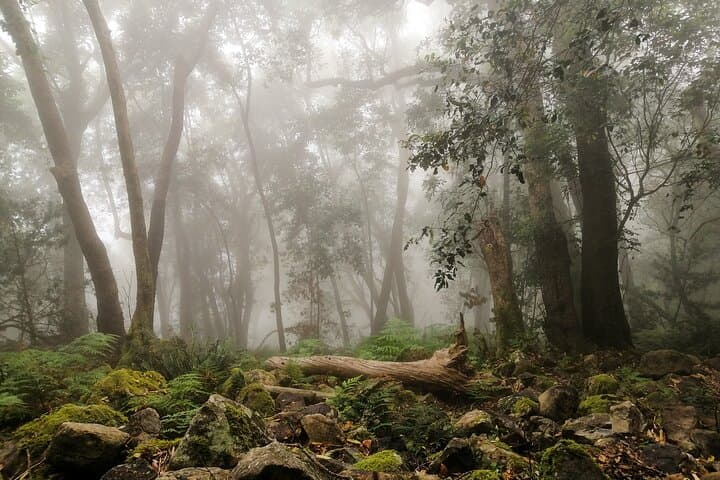
By 08:00 the Kirstenbosch gates click open and the mountain is already breathing. Moss clings to granite like old script; a stream, slim and insistent, threads the gorge and dares you to follow. Skeleton Gorge is not polite about its beauty. It pulls you under a canopy of Afromontane forest, makes you climb wooden ladders that rattle with your heartbeat, and then, without warning, unrolls a plateau of fynbos so vivid it feels like someone repainted the Cape.<br><br>The route begins inside Kirstenbosch National Botanical Garden, a cool green room curated since 1913 to showcase the Cape Floristic Region. For the first hour the hike feels like a secret shared between botanists and hikers—stepped stone paths, the scent of damp earth, and glints of protea and erica through the leaves. Then the trail narrows, the stream becomes a rugged bed, and six wooden ladders appear—short, vertical conversations with gravity that you climb hand-over-hand. The ladders are the moment the mountain shifts from garden to wild: roots and rock, slippery when wet, and mercifully shaded.<br><br>At roughly 740 meters you arrive on the Back Table, where the forest exhales and the fynbos takes the stage. These low, shrubby plants have evolved to live on the nutrient-poor soils of the Cape; their tiny leaves and colorful blooms are a geological answer to scarcity. From here the trail rolls through a mosaic of heathers and waxy leaves that seem to shimmer in the wind. Maclear’s Beacon—Table Mountain’s high point at 1,086 meters—waits an hour or two beyond, and when you reach it the city, the harbor, and the Atlantic flatten into a single, luminous map.<br><br>Skeleton Gorge is a lesson in contrasts. The mountain is ancient granite, worn by ocean and time into the flat top you see from town. The flora is younger and fiercer: the Cape Floristic Region is one of the world’s six floral kingdoms, and Table Mountain is its theater. Cultural history is woven in too—Kirstenbosch was a botanical response to colonial-era plant collecting and has become an emblem of conservation and South African botanical science. In 2011 Table Mountain joined the New7Wonders of Nature, and for good reason: the views are civic, geological, and emotional at once.<br><br>Practicalities anchor the romance. Expect about 6–8 km of steep ascent to the plateau with roughly 1,000 meters of elevation gain from the Kirstenbosch start. The published trip runs about six hours total—room for a garden wander, the climb, summit time, and a cable-car descent—so you’ll need fitness and patience more than technical gear. The ladders and streambeds can be slippery; guides often choose Nursery Ravine in winter if Skeleton Gorge is too wet. The cable car descent saves a steep return and lets you finish with panoramic ease, but it does mean planning around its opening hours and weather closures.<br><br>Guided hikes like this one are particularly valuable here. Local guides read the mountain—choosing routes, calling out endemic plants, and managing pacing on exposed sections. They also handle logistics: park entry at Kirstenbosch (it opens at 08:00), route choice if the ravine is soggy, and cable car bookings for descent. The trip’s moderate technical demand makes it accessible to fit day-hikers who are comfortable with sustained uphill and some scrambling; novices can manage it with a good guide.<br><br>Safety and environmental responsibility go hand in hand on Skeleton Gorge. The fynbos is fire-adapted but fragile; stay on the path, don’t pick plants, and pack out any trash. Weather on Table Mountain changes fast: clouds roll down from the plateau and visibility can collapse in minutes. Check forecasts, start early, bring layers, and carry 2–3 liters of water. Shoes with sticky grip and ankle support make the ladders and streambeds far more pleasant.<br><br>After the summit, treat yourself to Kirstenbosch’s Moyo restaurant or drive to Constantia for wine and rich Cape cuisine—the mountain’s hush pairs well with a slow meal. For photographers, dawn and late-afternoon light flatten shadows across the city and set the Atlantic on fire; for botanists, spring (September–November) is an especially generous time to see wildflower displays.<br><br>Skeleton Gorge is a hike that rewards attention. It asks for steady legs and thoughtful pacing, then pays you with canopy shade, a chorus of water, and a summit that reframes your place in the Cape. For travelers who want a day that marries forest intimacy with wide, oceanic perspective, this route delivers—raw, rooted, and stubbornly beautiful.
Trail wisdom
Small choices, better day.
Start Early
Kirstenbosch opens at 08:00—begin at opening to avoid mid-morning crowds and afternoon weather shifts.
Bring 2–3 Liters of Water
There’s no reliable potable water on the route; dehydration is a common cause of problems on the ascent.
Sticky-Soled Footwear
Choose trail shoes with good grip for streambeds and ladders; sandals or trainers will make the ladders precarious.
Book Cable Car or Descent Plan
Cable car schedules and weather closures affect descent—confirm tickets or plan a safe walk down before you start.
Local knowledge
Read the place, not just the route.
Watch for native species including Rock hyrax (dassie), Sunbirds and endemic fynbos pollinators.
Keep an eye out for wildlife during the transition between areas and habitats. Respect distance guidelines.
The Cape Floristic Region is globally significant and sensitive—stay on trails, avoid picking plants, and respect fire regulations to protect fynbos habitats.
Follow the guide's instructions on size limits, ethical handling, and leave-no-trace practices.
The indigenous plant collections within Kirstenbosch (ask your guide for the quieter pockets). A viewpoint on the Back Table where city and ocean align—often less crowded than the main beacon
Locally recommended viewpoints and quiet spots known best to local operators.
Kirstenbosch was established in 1913 to preserve South Africa’s unique flora and has long been a center for botanical research and conservation.
Maritime roots and regional tradition shape the waterways and working coasts.
Seasonal guide
Four versions of the same landscape.
Spring
Best forWildflower displays · Mild temperatures · Birdwatching
ChallengesOccasional late rains · Patchy mud on ladders
Spring (Sep–Nov) brings spectacular fynbos blooms and generally mild hiking weather—ideal for plant lovers but watch for wet patches after rain.
Summer
Best forLong daylight hours · Clear summit views · Cable car availability
ChallengesHeat on exposed plateau · Fire risk in dry years
Summer offers long, sunny days; start early to avoid heat on the fynbos plateau and check fire alerts.
Fall
Best forStable weather · Lower visitor numbers · Clear air for views
ChallengesCooling evenings · Shorter daylight
Autumn can be a quieter, steady-weather season—great for hikers who prefer fewer crowds and crisp summit light.
Winter
Best forDramatic cloudscapes · Lush forest after rains · Nursery Ravine alternative
ChallengesVery wet, slippery ladders · Potential route changes
Winter brings rain that darkens the gorge and can close sections; guides may divert to Nursery Ravine when Skeleton Gorge is risky.
Operator details
What the booking data adds.
Included
- ✓We bring along a thermos/flask for a cup of tea on the mountain.
Not included
- —Table Mountain
- —Kirstenbosch National Botanical Garden
- —Table Mountain Aerial Cableway - one way ticket for descent
- —Please bring at 1.5 - 2 litres water per person
- —Please bring trail food/snacks eg. energy bar, dried fruit, sandwich to enjoy along the trail.
Good to know
- ✓Not recommended for travelers with spinal injuries
- ✓Not recommended for travelers with poor cardiovascular health
- ✓Not recommended for pregnant travelers
- ✓Public transportation options are available nearby
- ✓Travelers should have at least a moderate level of physical fitness
Pack with intention
What to bring.
Good to know
Common questions.
It’s steeper and more technical than routes like Platteklip Gorge because of ladder sections and streambed scrambling; guided groups rate it as challenging but manageable for fit hikers.
Plan the edges
The details that make the day easier.
Table Mountain is part of the Cape Floristic Region, which contains over 2,200 plant species on the mountain alone—most are found nowhere else on Earth.
After the hike, grab lunch at Moyo in Kirstenbosch or drive to Constantia for wine estates; for a casual evening, head to the V&A Waterfront for seafood and a harbor sunset.
- Closest airport
- Cape Town International (≈25 min
- 20 km); Trailhead
- Kirstenbosch Botanical Garden (opens 08:00); Driving from city center: 15–25 minutes; Cell service: patchy on the mountain; Permits
- fees
- Kirstenbosch entry and cable car ticket (if used).
The fynbos ecosystem is fire-adapted but ecologically sensitive—stay on trails, don’t pick plants, carry out waste, and follow your guide’s advice to minimize impact.
Explore by topic
Follow the threads.
Keep exploring
Make the story part of the trip.
Set out from Bass Harbor for a private, customizable day on Blue Hill Bay — lighthouses, puffins, seals, and the chance to feel Acadia from the water. Small groups, local captains, unforgettable views.
In four hours you can move from shaded canyon ferns to wind-scoured coastal ridgelines, guided by someone who knows where the light—and the hidden views—live. This private half-day hike on the Monterey Peninsula or Big Sur is compact, curated, and perfect for travelers who want depth without a multiday commitment.
 Related story
Beneath a sky of shifting light, Skaftafell’s ice reads like a map of time. This three-hour guided glacier hike mixes technical instruction with geology and culture: compact, safe, and unforgettable.