
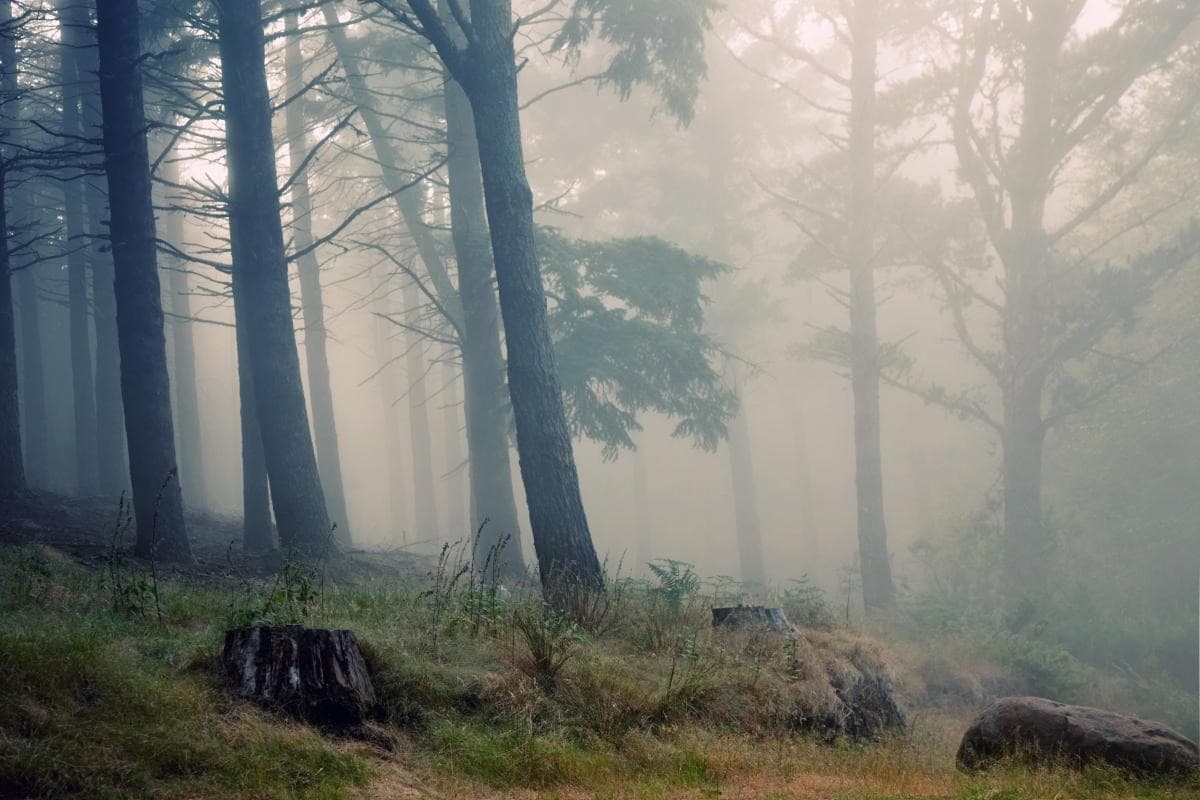
What the day feels like
You step off the narrow road and the world changes: sound compresses into droplets—water sliding through stone, leaves whispering like old pages. The air is cool and a little sweet, thick with the perfume of moss and tiny, lacquered leaves. In the Laurel Forest (Laurisilva) of Madeira, the trees seem to lean closer as if listening. Paths follow human-made levadas—slender aqueduct trails that cleave the mountains, channeling life across this UNESCO‑listed forest. For the first hour you walk through green that refuses simplification: ancient laurel, heather, and endemic shrubs knit together into a living roof, and the forest’s streams dare you to follow them deeper.
Geologically, Madeira is a volcanic island sculpted into abrupt ridges and narrow valleys. The Laurisilva owes its existence to those steep slopes and Madeira’s persistent moisture. Rainfall gathers in cloud banks and condenses on leaves; that water finds its way into the levadas—engineered in the 18th century to move water from wet north slopes to cultivated south terraces. What you’re walking on, then, is as much human history as wild ecology: old stone channels running parallel to time itself.
This is not a manicured national park. It’s a patchwork of microhabitats—silty springs, vertical basalt faces, and shady gullies—where species evolved in isolation for millennia. The UNESCO inscription in 1999 recognized both its ecological value and the endurance of those levada routes. You will see, too, the hand of locals: small stone aqueducts, carved tunnels, occasional agricultural terraces, and villages where poncha and bolo do caco anchor the social life.
How you experience Laurisilva depends on the tempo you choose. The classic Rabaçal / 25 Fountains (PR6) is a full‑day descent from Paul da Serra into a valley of sheer walls and fountains—about 11 km of walking, with a rewarding scene at Risco Waterfall and a 500‑meter ancient tunnel on the return. Caldeirão Verde (PR9) is longer—roughly 13 km—taking you through four natural tunnels to a glassy emerald lagoon beneath a curtain of water. Levada do Rei (PR18) offers a gentler, north‑coast stroll—10 km along the Ribeira Bonito with easier terrain and an intimacy with woodland streams.
If you want speed and sweat, the Folhadal hidden‑treasures running tour threads levada tracks and tunnels at a runner’s pace, exposing remote waterfalls and ridgeline views. For those who prefer a less‑onslaught approach, private buggy or 4x4 safaris take you across forest roads to viewpoints such as Pico Alto and Fanal, where ancient trees stand like cathedral pillars and the air tastes of resin and sea. There’s even a flora‑focused tour led by biologists that unpacks the island’s endemic species—useful context for anyone trying to identify the tiny, glossy laurel leaves that make the forest feel otherworldly.
Practical detail is part of the pleasure here. Levadas can be narrow—single‑track in places—and wet underfoot; tunnels are dark and sometimes slippery. Distances range from about 7 km for easier coastal routes (Ponta São Lourenço) to 13 km for Caldeirão Verde. Difficulty is graded in local offerings: expect mid‑level technical demands on Rabaçal and Caldeirão Verde (difficulty ~3), tougher terrain at Fanal & Levada dos Cedros (level 4), and an easy, family‑friendly Levada do Rei (level 1).
Timing matters. Start early to avoid afternoon clouds that can shroud ridgelines and to claim quieter segments of popular routes. Bring a headlamp for the tunnels and waterproof footwear; a light shell handles sudden showers better than an umbrella. And because the levadas were made to move water, expect damp, cool conditions even on warm days.
Culture here is quiet but present: Santana’s triangular thatched houses and the coastal villages still make the island’s food—tuna, lapas, and the ubiquitous bolo do caco—part of the same story as the levadas. After a day in the forest, a wine tasting in Boaventura or a rum tasting in Porto da Cruz anchors you back in human warmth.
For first‑time visitors, pick one guided levada walk—25 Fountains or Caldeirão Verde are excellent primer routes—and combine it with a private jeep day to learn the island’s contours. Runners and experienced hikers will find trail‑running options and longer multiday combinations, while families can choose the gentler Levada do Rei. No matter the route, approach the Laurisilva with curiosity, respect for fragile plants, and a pair of stout boots. The forest has a patient way of teaching you how to listen to topography, tectonics, and the small hydrology that keeps this green chamber alive.
In the end, the Laurisilva is a place of layered sensations—ancient trees that exhale mist, tunnels that compress time, and levadas that hum with the island’s need for water. It will make you aware of slopes and streams in new ways, and it will leave you wanting to return, because the forest’s green holds more stories than a single walk can tell.
Trail wisdom
Small choices, better day.
Bring a headlamp for tunnels
Several levada walks include long, unlit tunnels (Caldeirão Verde has four; Rabaçal features a 500m tunnel) — a headlamp keeps you safe and hands‑free.
Waterproof footwear
Levadas are often wet and muddy; grippy, waterproof hiking shoes or trail runners prevent slips on mossy paths.
Start early for quiet trails
Begin hikes before 9am to avoid crowds and afternoon cloud cover that can reduce visibility on ridgelines.
Respect the levada channels
Stay on designated paths—levada edges can be unstable and the aqueducts are critical water infrastructure for locals.
Local knowledge
Read the place, not just the route.
Watch for native species including Long‑toed Wood Pigeon (Columba palumbus maderensis), Madeira Firecrest (Regulus madeirensis).
Keep an eye out for wildlife during the transition between areas and habitats. Respect distance guidelines.
The Laurisilva is fragile—stay on trails, avoid removing plants, and choose providers that follow Leave No Trace practices to protect endemic species.
Follow the guide's instructions on size limits, ethical handling, and leave-no-trace practices.
Fanal’s old laurel stands—an almost primeval clearing of gnarled trunks. Paul da Serra plateau for sunrise and the start of many levada routes
Locally recommended viewpoints and quiet spots known best to local operators.
The levadas were engineered in the 18th century to transport water from the island’s wet north to farmers on the drier south slopes.
Maritime roots and regional tradition shape the waterways and working coasts.
Seasonal guide
Four versions of the same landscape.
Spring
Best forwildflowers · mild hiking conditions · birdwatching
Challengesmuddy trails · sporadic showers
Spring brings blossoming understory and comfortable temperatures—ideal for longer levada walks but expect patches of mud.
Summer
Best forlong daylight hours · access to high plateaus · combining hikes with coastal stops
Challengesoccasional heat on exposed sections · island microclimates can still be wet
Summer offers long days and good access, though north‑facing levadas remain cool and damp—pack layers.
Fall
Best forfewer crowds · dramatic cloud inversions · mushroom and fungus spotting
Challengesincreasing rain and wind · shorter daylight
Autumn delivers quieter trails and striking light; plan for wetter conditions and earlier finishes.
Winter
Best forsnow‑tipped peaks on higher ridges · dramatic storms · low tourist numbers
Challengescolder temperatures at elevation · some routes may be muddy or closed
Winter is raw and atmospheric—pack warm, waterproof gear and check local conditions for levada access.
Pack with intention
What to bring.
Good to know
Common questions.
No—you can hike independently on marked routes, but guided tours add safety in tunnels, local knowledge about flora, and quieter timing to avoid crowds.
Plan the edges
The details that make the day easier.
Madeira’s Laurisilva was inscribed as a UNESCO World Heritage Site in 1999 for its exceptional laurel forest ecosystem.
After a day on the levadas, try a glass of Madeira wine or a local poncha, and sample bolo do caco (garlic flatbread) in village cafés; the island’s food and crafts tie directly to the levada‑fed agriculture.
- Nearest base
- Funchal. Access: rental car or guided pick‑up. Typical hike length: 7–13 km. Essentials: headlamp, waterproof shoes, rain shell. Check weather and trail status before leaving.
Choose local guides and small‑group operators, stay on marked trails to protect endemic plants, and carry out any trash—levadas are fragile waterways and community lifelines.
Explore by topic
Follow the threads.
Keep exploring
Make the story part of the trip.
Set out from Bass Harbor for a private, customizable day on Blue Hill Bay — lighthouses, puffins, seals, and the chance to feel Acadia from the water. Small groups, local captains, unforgettable views.
In four hours you can move from shaded canyon ferns to wind-scoured coastal ridgelines, guided by someone who knows where the light—and the hidden views—live. This private half-day hike on the Monterey Peninsula or Big Sur is compact, curated, and perfect for travelers who want depth without a multiday commitment.
 Related story
Beneath a sky of shifting light, Skaftafell’s ice reads like a map of time. This three-hour guided glacier hike mixes technical instruction with geology and culture: compact, safe, and unforgettable.