
What the day feels like
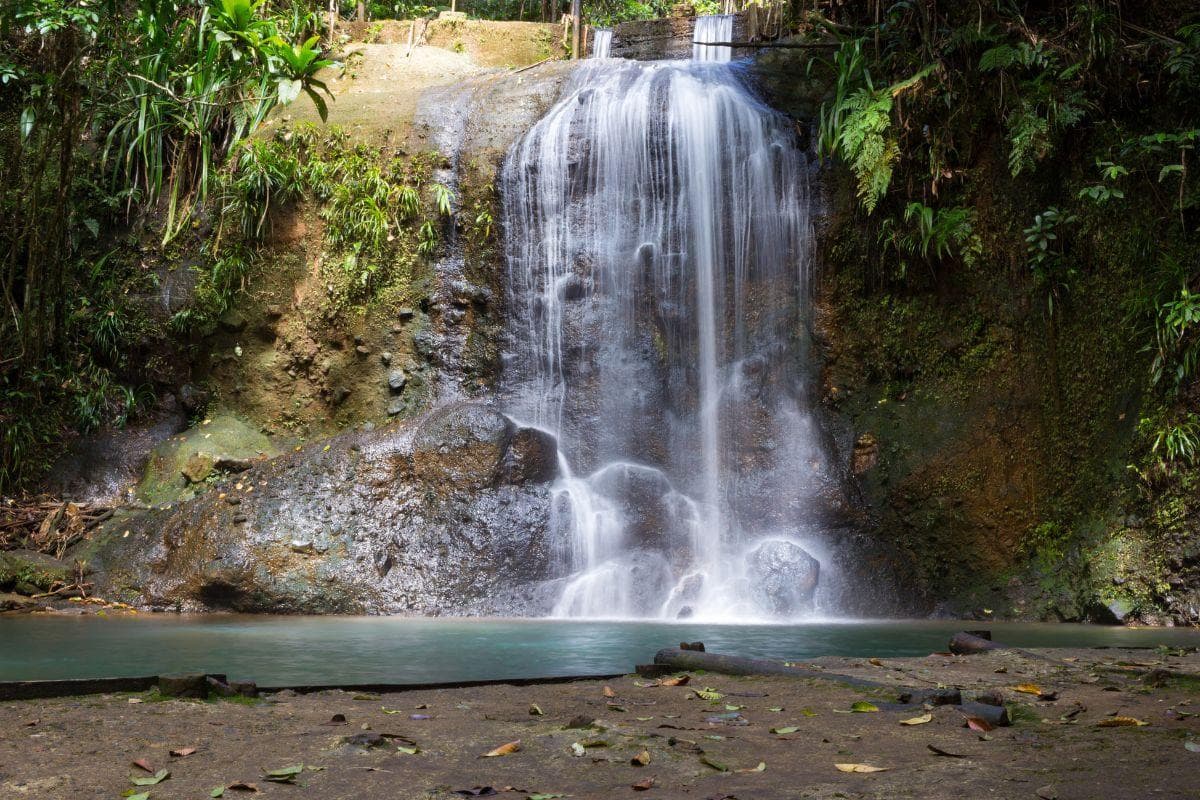
The day begins with humidity clinging to your shirt as Suva shrinks in the rearview mirror and the city’s edge softens into a riot of green. A narrow lane threads up into Colo-i-Suva Forest Park, and suddenly the air changes—cooler, scented with leaf mold and the sharp sweetness of wet roots. Somewhere uphill Waisila Creek laughs over stone, daring you to follow. Within minutes you leave honking traffic and urban glass behind and step into a rainforest that moves: palms flirting with tree ferns, vines knitting a canopy, and water cutting its patient path toward the city below.
Colo-i-Suva feels designed to remind you how small you are and how loud a forest can be when you stop trying to be loud, too. Water-worn boulders and shallow pools collect the creek’s momentum in a series of swimming holes. Sunlight pools in places the canopy thins, sketching bright patches on slick rock. Birdsong threads through everything—bright bursts from honeyeaters and the deeper calls of pigeons—while tiny insects chirp like a second-generation choir. It’s an accessible wilderness: tracks that range from short, slippery strolls to ridge walks that ask for a little more breath and attention, all sitting between 120 and 180 meters above sea level.
History and geology here are quiet forces. Colo-i-Suva occupies a pocket of Fiji’s older volcanic terrain where erosion and time have sculpted the creek’s route into shelves and plunge pools. The park, protected in the late 20th century as Suva expanded, preserves a remnant of native forest and the freshwater systems that feed down to the Waimanu River. The landscape’s story is water-first: creeks carving through basalt, creating natural baths and, where the rock resists, sudden little drops that become local waterfalls. Human history meets this geology in small ways—hidden paths that once connected rural communities and stonework left by earlier generations who used the forest for food and fiber.
Culture in the valley is relaxed but attentive. Locals treat Colo-i-Suva as a weekend chapel—families picnic under the canopy, couples take cooling dips, and birdwatchers keep their lenses trained on the understory. If you arrive with a guided option—a waterfall tour or a private nature excursion—you’ll likely meet a Fijian guide who blends practical knowledge (where the best pools are, which trails dry fastest) with cultural context: naming birds in Fijian, pointing out medicinal plants, or explaining local conservation efforts.
Why go? For one, it’s the easiest raw-nature reset near Suva. You can be at Waisila’s pools in ten minutes from the city center and in water within half an hour of parking. For travelers on cruise schedules, the private shore excursions listed for Suva make Colo-i-Suva an ideal half-day stop—no scrambling for taxis and no guessing where to go. For hikers and swimmers the appeal is immediate: short, well-signed trails that thread to scenic swims and viewpoints; longer ridgelines that add aerobic bite; and the bonus of wildlife you can actually see without needing to go off-trail.
Practical guidance matters here because the forest is deceptively simple. Trails are often wet and slick; water-worn rock can look flatter than it feels. Bring footwear with grippy soles—trail runners or lightweight hiking shoes—and be ready for mud. Pack at least a liter of water per person, a quick-dry towel, and a light rain layer even if the forecast is fair: tropical forests make their own weather. If you plan to swim, check for signs and swim with care—pools can be shallower than they appear, and currents near falls can be stronger than they seem.
Popular ways to experience the park include small-group waterfall tours that combine short hikes and guided swims, or private tours for families and cruise passengers that add a picnic stop and door-to-door transport. A private Suva Nature and Waterfall Tour is the simplest no-stress option: a local driver-guide will ferry you in, point out the natural highlights, and pick a route that suits your group—short and sweet for a hot afternoon or longer loops if you want a heartier leg stretch.
Tips for timing: mornings bring crisp air and clearer light for photos; late afternoon offers a different palette—longer shadows, cooler water, and fewer visitors. Avoid midday on weekends if you want solitude. Respect posted signs and the fragile forest floor: stay on marked trails, take out what you bring in, and avoid stepping on root systems. Insect repellent is useful; sunscreen is non-negotiable where the canopy thins.
Colo-i-Suva’s accessibility makes it a meaningful addition to any Fiji itinerary, whether you’re on a multi-day island-hopping plan or a single port day. It’s not a remote, technical adventure—its power is smaller scale, tactile, and immediate. You leave with damp feet, a mind that’s calmed by green, and the kind of photos that sit beside your stay images and tell a different story: one of freshwater, green silence, and the sounds of a forest that never stopped moving.
Booking notes: if you’re arriving by cruise ship, consider a private shore excursion to remove logistical friction. If you prefer to explore independently, local taxis can cover the 10–15 minute ride from downtown Suva, but clarify return pickup times. Guides are worth the small extra cost for insight into the best pools and for safety around slippery terrain.
Above all, treat Colo-i-Suva with the light-footed respect a rainforest earns. Move slowly when you can, listen for the creek’s changes, and remember that in a place defined by water, patience is rewarded: a sudden splash, a hidden pool, a bird you wouldn’t have noticed if you’d been staring at your phone. Here the forest seems to keep its best scenes for those willing to walk a little quieter and look a little longer.
Trail wisdom
Small choices, better day.
Grip and traction
Wear shoes with sticky soles—wet rocks and muddy trails make flip-flops risky and slow you down.
Pack water and a towel
Bring at least 1 liter of water per person and a quick-dry towel for swims; there’s no reliable freshwater refill on the trail.
Mind the rocks
Don’t jump into pools unless a guide confirms depth—appearances can be deceiving at natural swimming holes.
Go early or late
Mornings are cooler and quieter; late afternoons offer softer light and fewer visitors—avoid peak midday crowds on weekends.
Local knowledge
Read the place, not just the route.
Watch for native species including Fiji pigeon (Collared Dove species), Native honeyeaters and small forest skinks.
Keep an eye out for wildlife during the transition between areas and habitats. Respect distance guidelines.
Local groups and park authorities focus on protecting the freshwater creeks and native plants; visitors are asked to stay on trails to prevent erosion and protect the watershed.
Follow the guide's instructions on size limits, ethical handling, and leave-no-trace practices.
A short spur trail to a quieter upper pool that sees fewer swimmers. Ridgetop viewpoints at the end of lesser-used loops that catch sunrise light
Locally recommended viewpoints and quiet spots known best to local operators.
The park preserves native rainforest that once extended across the Suva hills; it was secured to protect watershed and biodiversity as urban development expanded.
Maritime roots and regional tradition shape the waterways and working coasts.
Seasonal guide
Four versions of the same landscape.
Spring
Best forWildflower and new growth viewing · Cool morning hikes
ChallengesUnexpected light showers · Muddy trails
Spring brings fresh growth and bird activity—expect damp ground and sporadic rain; morning visits are often best.
Summer
Best forSwimming in warm pools · Longer daylight for ridge walks
ChallengesHigher humidity · Afternoon tropical storms
Summer is prime for swimming and extended daylight, but plan around afternoon storms and bring sun protection.
Fall
Best forClearer air for photos · Less crowded afternoons
ChallengesShorter daylight hours · Cooler mornings
Fall offers crisp light and steady trails; early starts help you maximize daylight for both hiking and photography.
Winter
Best forCool, comfortable hiking · Spotting fruiting trees and seasonal birds
ChallengesCooler water temperatures · Possible increased runoff after storms
Winter’s lower humidity makes walking pleasant; the water is cooler but the forest is inviting for longer exploration.
Pack with intention
What to bring.
Good to know
Common questions.
Colo-i-Suva is roughly a 10–15 minute drive from central Suva by car, depending on traffic.
Plan the edges
The details that make the day easier.
Colo-i-Suva protects several freshwater tributaries that feed into the Waimanu River, an important watershed for Suva’s eastern suburbs.
Local guides often share Fijian plant uses and traditional stories about the forest; finish a visit with kava or a roadside plate of ika (fish) in Suva to taste regional flavors.
- Distance
- 10–15 min from Suva. Elevation: 120–180m. Best time: early morning or late afternoon. Facilities: picnic spots, limited restrooms. Book: waterfall or private shore tours for ease.
Stick to marked trails, avoid soaps in freshwater pools, and pack out all trash; local guides help minimize environmental impact by directing visitors to resilient areas.
Explore by topic
Follow the threads.
Keep exploring
Make the story part of the trip.
Set out from Bass Harbor for a private, customizable day on Blue Hill Bay — lighthouses, puffins, seals, and the chance to feel Acadia from the water. Small groups, local captains, unforgettable views.
In four hours you can move from shaded canyon ferns to wind-scoured coastal ridgelines, guided by someone who knows where the light—and the hidden views—live. This private half-day hike on the Monterey Peninsula or Big Sur is compact, curated, and perfect for travelers who want depth without a multiday commitment.
 Related story
Beneath a sky of shifting light, Skaftafell’s ice reads like a map of time. This three-hour guided glacier hike mixes technical instruction with geology and culture: compact, safe, and unforgettable.