
What the day feels like
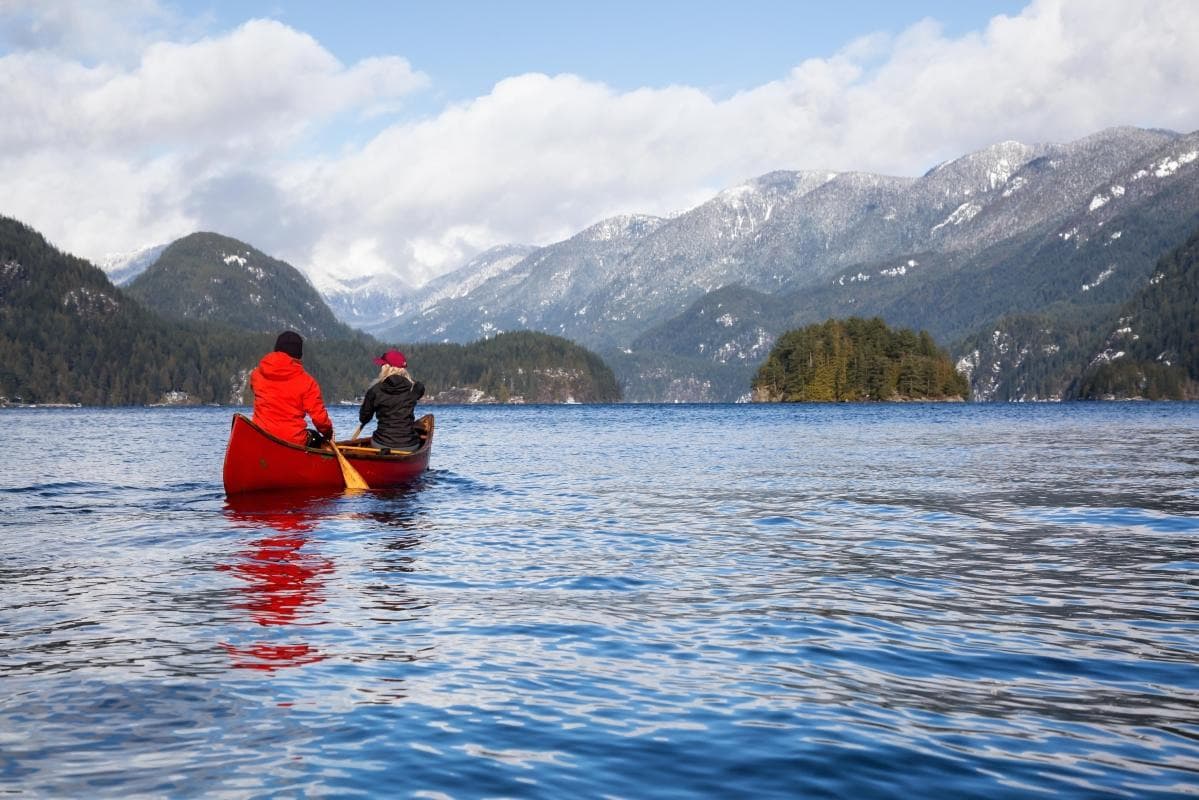
The first time the city’s roar slips behind you is almost imperceptible: a muffled hum, then silence. You thread a bow through a narrow channel and the concrete horizon dissolves into vertical green — sheer cliffs feathered with cedars, rocky ribs of granite, and waterfalls that look almost too delicate to survive their own drop. Indian Arm is not a postcard; it’s a concentration of coastal British Columbia in one long, glacial-drawn fjord. The water tightens, the cliffs close in, and for a few hours the rest of the world is happily constrained to the shore behind you.
Leave from Deep Cove, False Creek or one of Vancouver’s marinas and you’re in that silence within an hour. The fjord—roughly 18 kilometers of cold, dark water carved by ice—pushes north from Burrard Inlet and becomes a study in contrasts: a working coastline with old power-station ruins and logging scars; a protected provincial park where eagles wheel and seals pop up like punctuation; and a human landscape dotted with fragile, almost-hidden waterfront homes that look like stage sets against the cliff face.
Boat-based tours are the obvious way to experience Indian Arm, and they suit the place because the fjord’s personality is fundamentally aquatic. Smaller bowrider charters thread closer to shore and can nose into caves and base-of-waterfall spray more confidently than larger ships; two-hour private charters from Deep Cove do exactly this, approaching Silver Falls and skimming island fringes while your captain narrates the geology and local lore. For a longer perspective, three-hour sightseeing cruises out of False Creek double as an orientation to Vancouver — passing Stanley Park and Lions Gate Bridge before the fjord tightens and the saltwater turns expectant.
There’s a physical memory to travelling here. The cliffs were cut by ice tens of thousands of years ago; the fjord is anchored by bedrock and a patience that makes modern intrusions seem ephemeral. You will spot grey granite faces polished by glaciers, seep gardens of moss, and ravines that remember avalanches. The area’s human history is equally layered: coastal Indigenous peoples have used these waters for millennia, and later the inlet powered early 20th-century hydroelectric projects. Today the provincial park designation—Say Nuth Khaw Yum/Indian Arm Provincial Park—protects these landscapes while inviting careful, low-impact visits.
Wildlife is one reason to bring a camera. Harbour seals lounge on rocks, lifting their heads curiously as boats pass. Bald eagles perch like sentries on snagged branches. On rare mornings, porpoises or a transient orca may ghost through the channel, quick as a thought. The ecosystem is both delicate and resilient: tide pools teem, and the riparian forest is a living filter of the fjord’s clarity.
If you want to turn relaxation into ritual, there’s a contemporary option that feels quintessentially West Coast: a private sauna boat. Imagine a cedar-paneled sauna with a panoramic window, a short glide to a quiet cove, and a cold plunge into the fjord a few heartbeats later. The thermal cycle — heat, jump, rinse, repeat — under the shadow of those cliffs is a visceral West Coast reset. These floating saunas come captained and kitted, making them an accessible indulgence after a day of island-hopping.
Practicalities matter here. The water is cold year-round; even sunny July days can carry a bracing wind. Smaller charters are nimble and let you land in places larger vessels can’t reach: you can explore tideflats, step into a mossy glade, and feel how small the human footprint is in the slope of the trees. Most operators include photo packages, life jackets, and local commentary, but if you want off-boat time, plan and communicate with your guide ahead.
Timing is everything. Early morning is still and luminous, with low-angle light that lends waterfalls a gauzy veil; late afternoon brings long shadows and a hush as the park seems to inhale. Summer offers the most reliable weather and warmer sea conditions, but spring is dramatic with snowmelt-fed cascades at their fullest. Fall can be jewel-toned and quiet; winter is for the hardiest, with choppy water and a sharper palette.
For travelers who want a slice of Vancouver that feels remote but is logistically simple, Indian Arm is ideal. It’s a fjord that rewards patience: the longer you look at the interplay of water and stone, the more the landscape will reveal — a hidden cave, an unexpected waterfall, a seal’s profile illuminated in the bow wake. Book a private charter if you want intimacy and flexibility; choose the sightseeing boat if you prefer a relaxed cruise with context; or opt for the sauna-boat for a modern, restorative take on the fjord experience. Whatever you pick, approach with curiosity and a respect for a place that’s been quietly shaping itself for millennia.
Trail wisdom
Small choices, better day.
Layer for chilly spray
Even on sunny days the fjord’s wind and waterfall spray can be cold—pack a waterproof shell and insulating mid-layer.
Bring a camera with a zoom
Wildlife and waterfalls often sit several hundred meters from the boat; a 70–200mm equivalent lens captures detail without disturbing animals.
Plan for mobility
Choose a smaller charter if you want to land ashore or approach waterfalls closely—bigger boats stay further out.
Respect wildlife distances
Keep engine noise low near hauled-out seals and nesting eagles; your captain should know local guidelines.
Local knowledge
Read the place, not just the route.
Watch for native species including harbour seal, bald eagle.
Keep an eye out for wildlife during the transition between areas and habitats. Respect distance guidelines.
Say Nuth Khaw Yum/Indian Arm Provincial Park protects the fjord’s ecosystems; visitors are asked to follow Leave No Trace practices and maintain wildlife viewing distances.
Follow the guide's instructions on size limits, ethical handling, and leave-no-trace practices.
Secret sea caves and small tidal inlets best reached by nimble bowriders. The old power-station ruins and Buntzen Lake area—visible from certain charters and steeped in industrial history
Locally recommended viewpoints and quiet spots known best to local operators.
Indian Arm is a glacial fjord with a layered history: its waters and shores have been used for millennia by local Indigenous peoples and later for hydroelectric development and small-scale logging.
Maritime roots and regional tradition shape the waterways and working coasts.
Seasonal guide
Four versions of the same landscape.
Spring
Best forfull waterfalls · birdwatching · fewer crowds
Challengescool water temperatures · possible muddy landings
Snowmelt feeds the falls and wildlife is active—expect dramatic cascades and chilly air; pack waterproofs.
Summer
Best forcalmer seas · sauna-boat excursions · longer daylight
Challengeshigher visitor numbers · sun exposure on open decks
The most comfortable season for boat trips and cold plunges; still bring layers for wind and spray.
Fall
Best forautumn colors · quiet cruises · photography
Challengesshortening daylight · increasing rain chances
Fewer boats and crisp light make this a photographer’s favorite, but be prepared for showers and earlier sunsets.
Winter
Best formoody landscapes · storm-watching · solitude
Challengesrough water · limited services
Winter passages are dramatic and quiet but require experienced operators and stouter stomachs for rougher water.
Pack with intention
What to bring.
Good to know
Common questions.
Indian Arm stretches roughly 18 kilometers north from Burrard Inlet; several operators run departures from Vancouver harbors and Deep Cove, typically 20–45 minutes by boat to the fjord’s mouth.
Plan the edges
The details that make the day easier.
Indian Arm was carved by glaciers during the last ice age and is now protected as Say Nuth Khaw Yum/Indian Arm Provincial Park, established to preserve its unique fjord environment.
Deep Cove and North Vancouver offer a classic Pacific Northwest mix: cozy cafés serving salmon chowder, artisan bakeries, and Indigenous-led cultural experiences—pair your fjord trip with local seafood and interpretive tours.
- Departures
- Deep Cove
- False Creek; Duration
- 2–3 hours typical; Best time: early morning or late afternoon; Book: private charters for flexibility; Safety: wear provided life jacket and respect wildlife buffers.
Choose operators that follow marine wildlife guidelines, avoid single-use plastics aboard, and respect no-landing zones to protect sensitive shoreline habitats.
Explore by topic
Follow the threads.
Keep exploring
Make the story part of the trip.
Set out from Bass Harbor for a private, customizable day on Blue Hill Bay — lighthouses, puffins, seals, and the chance to feel Acadia from the water. Small groups, local captains, unforgettable views.
In four hours you can move from shaded canyon ferns to wind-scoured coastal ridgelines, guided by someone who knows where the light—and the hidden views—live. This private half-day hike on the Monterey Peninsula or Big Sur is compact, curated, and perfect for travelers who want depth without a multiday commitment.
 Related story
Beneath a sky of shifting light, Skaftafell’s ice reads like a map of time. This three-hour guided glacier hike mixes technical instruction with geology and culture: compact, safe, and unforgettable.