
What the day feels like
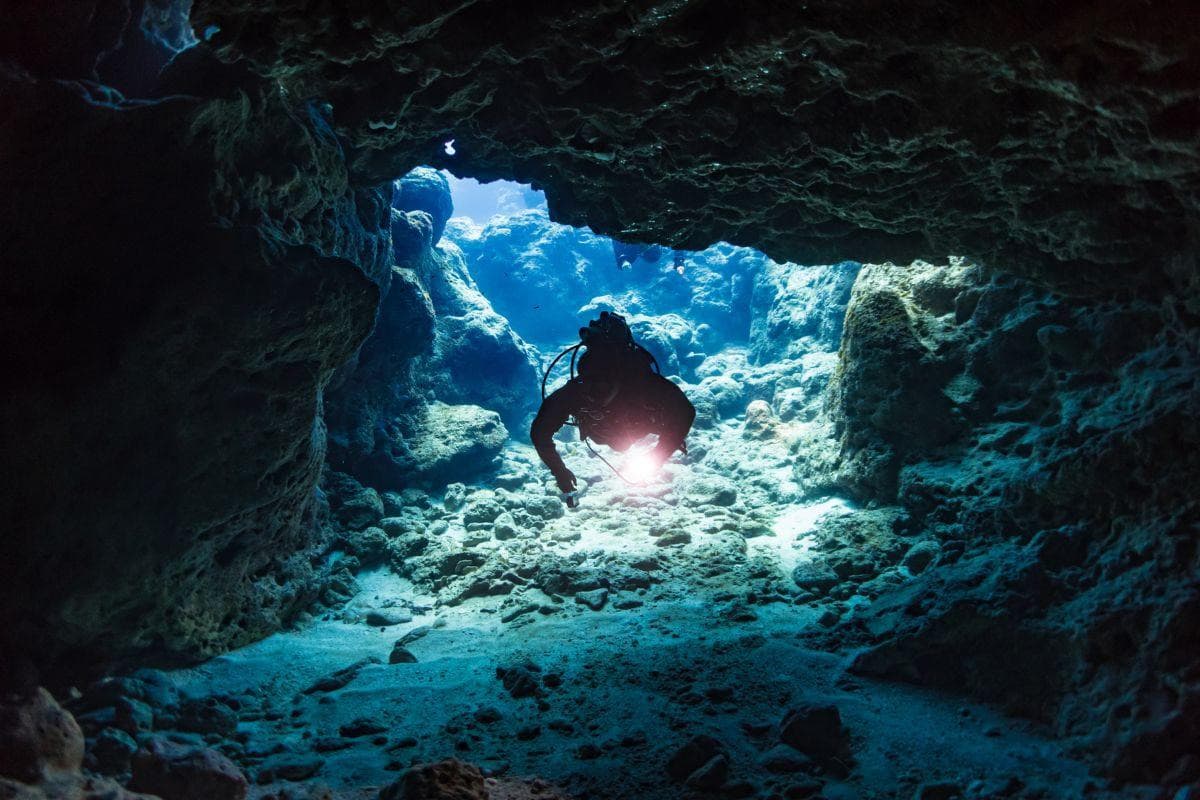
At first light the ocean looks ordinary—flat, silver, a promise of another humid Okinawan morning. But as your boat slips past the rocky spine of Cape Maeda, the sea changes its mood. The water under the hull slides from gray to turquoise, then cobalt. You peer through the bow and the cave appears like a throat in the limestone, a wedge of shadow flanked by reef. The guides smile and nod. Then the sun finds an angle and the whole entrance blooms with impossible blue: not merely color but an internal light that seems to come from the water itself. The Blue Cave isn’t a place so much as an effect—sunlight refracting into the cave’s chamber, reflecting off white sand and coral to turn the inside into an underwater cathedral of blue.
Cape Maeda’s Blue Cave is as theatrical as it is delicate. The cave sits where the Pacific’s fingers have gnawed the Ryukyu limestone for millennia, dissolving corridors and hollows until pockets of sea were left half-submerged and perfectly poised to catch the sun. Locals call it Aoi Dōkutsu; travel pages call it the Blue Cave, and tour operators call it a must-see for Okinawa. Combine that geological backstory with the island’s subtropical reef ecology—schools of parrotfish, bright butterflyfish, and glimmering damsels—and you have one of Japan’s most photographed marine scenes.
This is not a hardcore expedition. Most operators run short boat hops—roughly five minutes from the launch—to the cave, then guide small groups through a 45–60 minute water session of snorkeling or introductory dives. For non-swimmers, instructors provide buoyant wetsuits, life jackets, even floatation rigs so you can hover and watch without panic. Guides offer photo packages (many include free GoPro images) and bilingual instruction on many tours; pick-up service from Naha or Chatan is common if you’re staying off-site.
Beyond the visuals, the Blue Cave is a study in balance. The phenomenon only works with the right sun angle and calm seas, so operators switch to nearby Maeda Beach or Zanehama Beach if conditions are rough. The stats matter here: boat-launched visits reach the cave about 70% of the time, while beach entries get there only about 30% of the time. That’s a practical reason to take the boat. There’s also a human side—these tours are run largely by local dive shops and family-run outfitters whose livelihoods depend on the reef’s health. Guides will often remind you about reef etiquette: no touching, no chasing fish, and use reef-safe sunscreen.
Culturally, the coral gardens off Cape Maeda sit near villages that were once part of the Ryukyu Kingdom, an independent maritime culture with ties across East Asia and the Pacific. Today that history mingles with the rhythms of modern tourism—tour operators who grew up on Okinawa lead guests through the same inlets their parents used for fishing and freediving. That local knowledge is what keeps trips feeling intimate rather than industrial.
Practicalities: expect a 2–3 hour tour block from meeting to return, with the water portion generally under an hour. Wear a swimsuit under quick-dry clothing, bring a towel and a waterproof phone case, and arrive early—calmer seas and better light are typical in the morning. If you’re jittery about swimming, choose an introductory dive or a non-swimmer-friendly snorkeling program; many shops run guides on a 1:2 or 1:4 ratio so attention is personal. Tour operators will often provide masks, fins, wet suits, and life jackets, and many include photo and video data as part of the package.
Timing and season matter. Summer is warmest, with the best water visibility, but typhoon season (late summer) can close the cave on short notice. Late spring and early autumn often hit the sweet spot—fewer crowds and stable conditions. Also, the cave’s telltale blue depends on sun angle: mid-morning to midday yields the most vivid glow.
Safety and sustainability go hand in hand here. The reef is resilient but fragile. Avoid sunscreen that contains oxybenzone or octinoxate and follow guides’ rules about touching coral. If you encounter sea turtles, give them space—do not block their path. Feeding fish is offered on some tours as a controlled experience, but ask how the operation manages it; too much hand-feeding changes animal behavior.
For photographers, the cave is a lesson in contrast. Shoot wide to get the entrance and the glow; underexpose slightly to keep the blue from blowing out; and use a GoPro or a waterproof housing for O-ring-sealed cameras, because the real story is underwater. If you’re diving, a red filter helps with color at depth; for snorkeling in the cave, the blue is the hero—let it dominate your frame.
The Blue Cave is an accessible kind of awe. Whether you’re a family with young kids, a first-time snorkeler, or someone chasing refracted light and reef life, the site delivers with efficiency and a touch of drama. It’s not a wilderness challenge, but it’s the sort of place where the ocean seems to answer when you arrive—an invitation rather than a test. Go early, respect the reef, bring a good attitude and an appetite for clear water, and you’ll leave with pictures that don’t quite capture the memory but keep you planning your next return.
Trail wisdom
Small choices, better day.
Book a morning slot
Morning light and calmer seas improve your chances of entering the Blue Cave and give the most vivid blue light.
Use reef-safe sunscreen
Protect coral by choosing mineral-based sunscreens (zinc oxide or titanium dioxide) and apply before arrival.
Bring a waterproof phone case or GoPro
Many tours include complimentary photos, but extra footage from your own waterproof camera preserves personal angles.
Choose boat launch if possible
Boat departures reach the cave roughly 70% of the time versus 30% from beach entries—better odds of seeing the blue.
Local knowledge
Read the place, not just the route.
Watch for native species including Green sea turtle, Parrotfish (and colorful reef fish).
Keep an eye out for wildlife during the transition between areas and habitats. Respect distance guidelines.
Operators emphasize reef-friendly practices—no touching coral and limited, supervised fish feeding—and many support local reef restoration projects.
Follow the guide's instructions on size limits, ethical handling, and leave-no-trace practices.
Zanehama Beach – a nearby stretch with great photo ops and calmer snorkeling on off days. Maeda Cape lookout – short walk for sunset and panoramic reef views
Locally recommended viewpoints and quiet spots known best to local operators.
The Cape Maeda area sits on Ryukyu limestone formed over millennia; local dive and fishing communities have long harvested and navigated these waters.
Maritime roots and regional tradition shape the waterways and working coasts.
Seasonal guide
Four versions of the same landscape.
Spring
Best forCalmer seas · Fewer crowds · Good visibility
ChallengesUnpredictable weather · Cooler water
Late spring brings warming water and generally calm conditions—ideal for clear snorkel sessions before peak summer crowds arrive.
Summer
Best forWarmer water · Peak visibility · Full tour schedules
ChallengesHeat and humidity · Typhoon risk in late summer
Summer offers the warmest water and best visibility, though you should monitor typhoon forecasts and book refundable slots.
Fall
Best forMilder weather · Good light for photos · Lower crowds post-summer
ChallengesOccasional storms early in season · Slightly cooler evenings
Early autumn balances comfortable weather and fewer visitors—visibility remains high and the light can be particularly photogenic.
Winter
Best forQuieter experience · Lower prices
ChallengesCooler air and water temperatures · Some operators reduce schedules
Winter visits are quieter but require thicker wetsuits; check operator availability and expect shorter water sessions.
Pack with intention
What to bring.
Good to know
Common questions.
Yes—many tours equip participants with buoyant wetsuits and life jackets and offer guided floatation support so non-swimmers can safely enjoy the site.
Plan the edges
The details that make the day easier.
The Blue Cave’s color is caused by sunlight refracting through the water and reflecting from the white sand and coral inside the partially submerged cave—a phenomenon amplified by the cave’s geometry and the sun’s angle.
Pair your marine time with Okinawan flavors—try goya champuru (bitter melon stir-fry), sata andagi (sweet doughnuts), and a glass of local awamori. Many dive shops are family-run and will point you to the best nearby izakayas and fish markets.
- Duration
- 2–3 hours. Meeting point: Cape Maeda launch area (some tours offer Naha
- Chatan pick-up). Languages
- many guides speak basic English and Chinese. Accessibility: boat entry requires stepping down into a small craft; beach entries may be rocky.
Choose operators that enforce no-touch policies, use reef-safe sunscreen, and limit feeding; supporting local businesses helps fund conservation and keeps reef stewardship local.
Explore by topic
Follow the threads.
Keep exploring
Make the story part of the trip.
Set out from Bass Harbor for a private, customizable day on Blue Hill Bay — lighthouses, puffins, seals, and the chance to feel Acadia from the water. Small groups, local captains, unforgettable views.
In four hours you can move from shaded canyon ferns to wind-scoured coastal ridgelines, guided by someone who knows where the light—and the hidden views—live. This private half-day hike on the Monterey Peninsula or Big Sur is compact, curated, and perfect for travelers who want depth without a multiday commitment.
 Related story
Beneath a sky of shifting light, Skaftafell’s ice reads like a map of time. This three-hour guided glacier hike mixes technical instruction with geology and culture: compact, safe, and unforgettable.