
What the day feels like
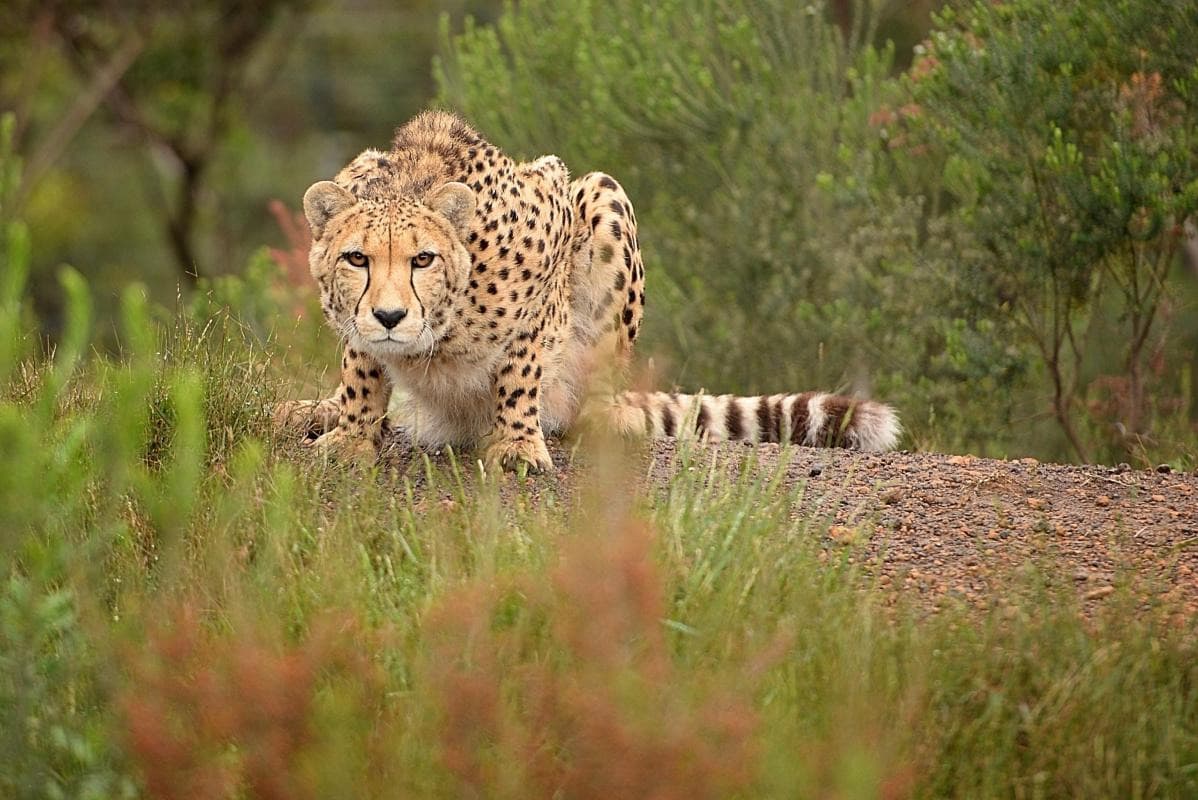
The gravel drive dips through bluegum and milkwood trees, and for a moment you could be forgiven for thinking you’ve turned down a private driveway. Then a low, rumbled chorus threads the air—purrs and throaty calls that are not quite domestic, not quite wild. At Tenikwa Wildlife Centre, just outside Plettenberg Bay on South Africa’s Garden Route, the soundscape is dominated by felines. Cheetah breathes like wind; a caracal watches with ears like twin flags. You stand on a shaded path, camera warm in your hands, and the place rearranges what you thought you knew about conservation tourism: it’s intimate, deliberate, and purpose-built to send animals back into the wild when possible.
Tenikwa began as a rescue and rehabilitation project with a local focus—rehoming injured indigenous wild cats, providing sanctuary for animals unable to survive in the bush, and educating visitors about coexistence. The Garden Route itself is a stitched landscape: coastal headlands, ancient Knysna forests, and pockets of fynbos that rise and fall across ridgelines. That diversity is why so many species pass through Tenikwa’s care; fragmented habitats and human-wildlife conflicts are common, and the centre is a pragmatic response.
Geologically, the Garden Route is young—sandstone ridges, pockets of fertile alluvium and coastal dunes create a patchwork that supports fynbos and Afrotemperate forest. Tenikwa sits where these ecosystems meet cultivated land, and that edge is part of the story: it’s where agricultural expansion pushes against corridors used by caracals and small carnivores. The centre’s enclosures and rehabilitation pens are designed to mimic local terrain—boulders for scent-marking, low brush for stalking practice, shaded areas to cool from midday sun—so animals redevelop natural behaviors before release.
Walks through Tenikwa’s grounds are not adrenaline-tinged safaris but careful, observant experiences. The Wild Cat Experience Tour places you at a respectful distance while guides translate animal behavior into clear signals: this lion’s head tilt, this serval’s ear flick, mean something. For photographers, the Private Wildlife Tour opens up extra time to frame a face, study whisker detail, and experiment with depth-of-field. If you want to go deeper, the Cats in Conservation program is a working day alongside staff—helping with food prep, enrichment activities, and learning about rehabilitation protocols that prioritize eventual return to wild habitat.
That practical tone extends to Tenikwa’s community role. It runs educational programs for school groups and works with local farmers on non-lethal deterrents to protect livestock, because conservation in this region isn’t isolated—it’s a series of conversations with people who make their living here. For visitors, that means your ticket isn’t just an observation fee; it’s a donation toward local release projects, anti-poaching patrols, and veterinary care.
The centre pairs well with classic Garden Route itineraries. Multi-day safaris that stop in Knysna or Plettenberg Bay often include Tenikwa as a highlight—an encounter that complements whale watching, coastal hiking and forest walks. The Forest Walk with Picnic and Wildlife Tour, an easy stroll through a protected private reserve adjacent to Tenikwa, gives context: here are the trees and bird corridors that sustain small predators; here are the threatened insects and butterflies that are part of a functioning food web. Together these experiences create a fuller picture of a landscape that’s both fragile and remarkably resilient.
Plan practically: Tenikwa’s guided experiences range from hour-long encounters to full-day conservation programs. Terrain is gentle—short forest trails, boardwalks, and level viewing platforms—so the physical demand is low, but the sensory demands are high. Expect to move slowly and listen. Mornings are best for activity; cats and small carnivores are more alert in cooler temperatures, and light is kinder for photography. Bring a telephoto lens (200–400mm is ideal), binocs, sun protection and insect repellent. If you’re joining a full conservation day, wear closed-toe shoes and clothes you won’t mind getting a little dusty.
There are a few unglamorous realities: wildlife rehabilitation is often incremental, releases are dependent on habitat availability and rigorous veterinary checks, and not every animal returns to the wild. Tenikwa is transparent about that. Success stories exist—animals retrained for self-sufficiency and released into secure private reserves—but the centre’s impact is as much about mitigation and education as it is about dramatic reopenings of cages.
For travelers seeking an ethical wildlife encounter, Tenikwa sits at the right intersection of access, authenticity and accountability. It’s not a spectacle. It’s an invitation to understand a region where coast and forest converge, where people and predators must negotiate space, and where visitors can contribute to viable solutions. Stand by the fence and watch a serval flatten its body and launch—nature in miniature, precise and efficient—and you’ll feel the gravity of small acts: the donation, the informed conversation, the slow decisions of trained staff. Those are as much a part of the visit as the animals themselves.
If you have a day to spare from the beaches or a morning between whale-watching and a Knysna oyster tasting, Tenikwa rewards attention. It’s a centre that makes conservation legible—an educational stop on the Garden Route that translates soft fur, clipped whiskers and cautious eyes into practical stories about landscape recovery. You leave quieter, likely with photographs, and with a better sense of how a healthy ecosystem depends on the small, deliberate work done here every day.
Trail wisdom
Small choices, better day.
Go early for activity
Mornings are cooler and cats are more alert—book the earliest tour to maximize animal activity and soft photographic light.
Bring a telephoto lens
200–400mm lenses let you frame faces without disturbing animals; compact cameras with zoom also work for casual visitors.
Respect viewing distances
Follow staff instructions—close approaches stress animals and can jeopardize rehabilitation goals.
Pair with a forest walk
Combine Tenikwa with the nearby Forest Walk and Picnic tour to see the habitats that sustain local wildlife.
Local knowledge
Read the place, not just the route.
Watch for native species including caracal, serval.
Keep an eye out for wildlife during the transition between areas and habitats. Respect distance guidelines.
The centre prioritizes rehabilitation and release, partners with local landowners on conflict mitigation, and reinvests visitor fees into veterinary care and anti-poaching initiatives.
Follow the guide's instructions on size limits, ethical handling, and leave-no-trace practices.
Walk the adjacent private Afrotemperate forest for birdwatching and rare butterflies. Check nearby small reserves at dawn for foxes and bushbuck on quiet tracks
Locally recommended viewpoints and quiet spots known best to local operators.
Tenikwa grew from local rescue efforts into a structured rehabilitation and education centre focused on indigenous small carnivores and community outreach.
Maritime roots and regional tradition shape the waterways and working coasts.
Seasonal guide
Four versions of the same landscape.
Spring
Best forActive small carnivores · Wildflower displays · Birdwatching
ChallengesUnpredictable showers · Allergy season for some visitors
Spring (Sept–Nov) brings cooler mornings, fresh growth and increased animal activity—great for photography and walks, but pack a light rain jacket.
Summer
Best forLong daylight hours · Full-day programs · Coastal wildlife viewing
ChallengesHot midday sun · More insects
Summer (Dec–Feb) offers long days—schedule tours for morning or late afternoon to avoid heat and to catch cooler, active windows.
Fall
Best forClear light for photography · Calmer tourist season · Mild temperatures
ChallengesOccasional wind on the coast · Shortening daylight
Autumn (Mar–May) is ideal for comfortable touring—temperatures moderate and light becomes especially flattering late in the day.
Winter
Best forQuiet reserves · Whale watching nearby · Crisp air for clear views
ChallengesCooler mornings · Rainy spells possible
Winter (Jun–Aug) is quieter and can be excellent for focused tours and conservation programs—bring warm layers for chilly mornings.
Pack with intention
What to bring.
Good to know
Common questions.
Standard guided visits are usually 60–90 minutes; Private or conservation programs can be half-day to full-day—book ahead for longer sessions.
Plan the edges
The details that make the day easier.
Tenikwa houses and rehabilitates indigenous small cat species—including serval and caracal—and operates education programs that partner with local farmers to reduce human-wildlife conflict.
Plettenberg Bay is a relaxed coastal town—after a morning at Tenikwa, head into town for fresh seafood, local craft beers and oysters from the Knysna estuary; many operators source guides and support staff locally, so tipping and buying local craft supports the community.
- Location
- near Plettenberg Bay on the Garden Route. Typical visit: 1–1.5 hours (guided). Best time: early morning. Accessibility: mostly level paths; some uneven terrain. Booking: recommended for private or conservation programs.
Tenikwa reinvests visitor fees into rehabilitation and release efforts, uses education to reduce conflict with farmers, and encourages low-waste visits—bring reusable water bottles and follow all on-site rules to minimize stress on animals.
Explore by topic
Follow the threads.
Keep exploring
Make the story part of the trip.
Set out from Bass Harbor for a private, customizable day on Blue Hill Bay — lighthouses, puffins, seals, and the chance to feel Acadia from the water. Small groups, local captains, unforgettable views.
In four hours you can move from shaded canyon ferns to wind-scoured coastal ridgelines, guided by someone who knows where the light—and the hidden views—live. This private half-day hike on the Monterey Peninsula or Big Sur is compact, curated, and perfect for travelers who want depth without a multiday commitment.
 Related story
Beneath a sky of shifting light, Skaftafell’s ice reads like a map of time. This three-hour guided glacier hike mixes technical instruction with geology and culture: compact, safe, and unforgettable.