
What the day feels like
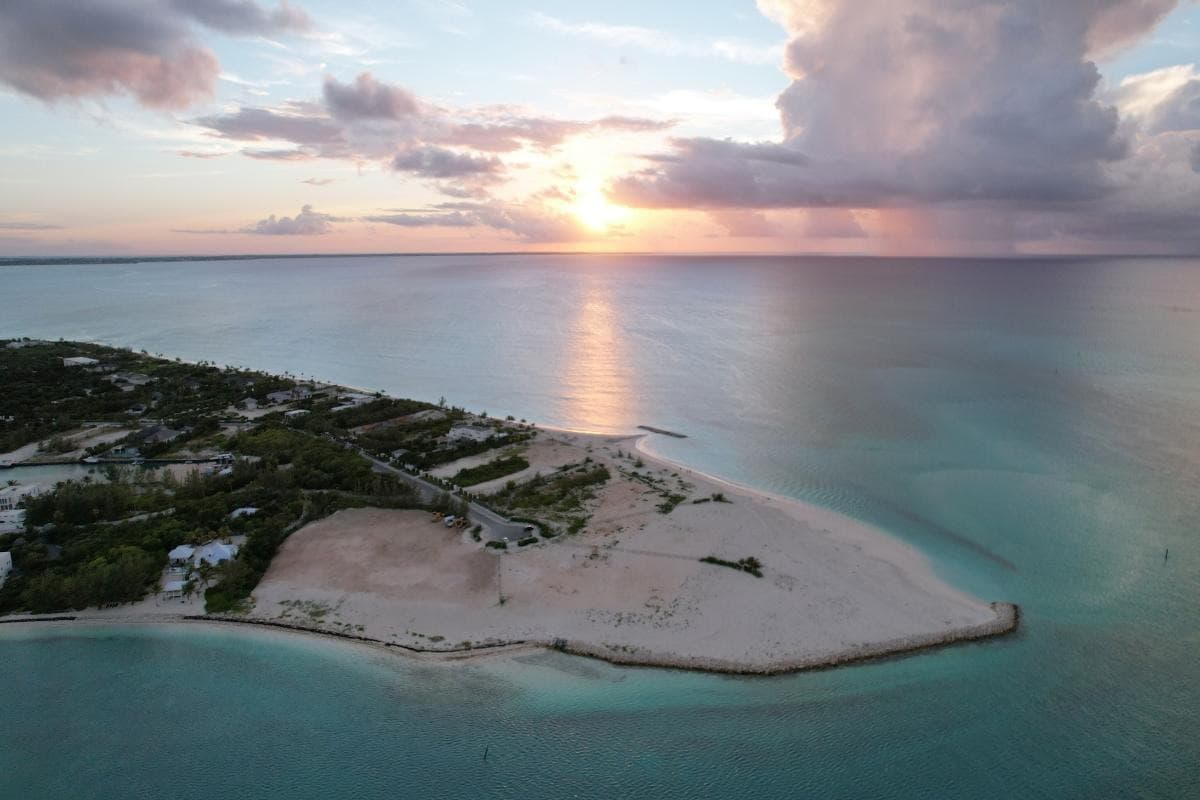
You pull away from the mangrove fringe of Providenciales on a skiff that hums more like a careful conversation than a machine. The water turns from opaque turquoise to a sharpened blue, and a fan of white sand and scrub rises from the sea: Little Water Cay. It’s small—barely a mile across at its widest—but you feel, immediately, the scale of a place that doesn’t belong fully to people. Rocks sun themselves. Sea-washed shrubs lean toward the breeze. And under a low tree, an adult Turks and Caicos rock iguana lifts its head, as if to measure whether you are interesting or not.
The island’s draw is uncomplicated and irresistible: Cyclura carinata, an endemic rock iguana that has been living here longer than any resort or road. Walk the rutted, sandy trail and the boardwalk loop (roughly 0.5 miles total), and you’ll see them sunning on limestone ledges, slipping into burrows, or moving with a slow dignity through the scrub. Guides talk about their personalities—individuals with favorite patches of sand, particular food tastes—and you quickly learn the rules: observe, don’t touch, don’t feed.
Little Water Cay’s geology is the Caribbean’s invitation to minimalism. The cay is a low-lying limestone formation shaped by wind, waves, and the same carbonate processes that created Providenciales’ underwater reefs. The island’s scrub and buttonwood mangroves cling to fissures and pockets of sand. Below the waterline, coral gardens and seagrass beds cradle juvenile fish and foraging rays; the current dares you toward swim-ready blue between the cay and the mainland.
This is not merely a tourist shrine to cute reptiles. The iguanas are a conservation story as much as a spectacle. Once hunted and squeezed by habitat loss, rock iguanas were the subject of local and international recovery work. Today they are protected, and the island operates as a small reserve—visits are managed, local guides interpret the ecology, and the visitors who come are part of a delicate balance that keeps the population healthy.
Arriving by boat is part of the charm. Most departures are short—10 to 20 minutes from the northern marinas and beaches of Providenciales—making Little Water Cay an ideal half-day outing or a relaxed stop on a longer boat charter around Providenciales’ jagged coastline. Many travelers combine an island visit with snorkeling at nearby reefs, where visibility tends to be excellent and the coral gardens invite a separate kind of wildlife viewing: parrotfish working the reef, nurse sharks napping in the sand, and schools of baitfish flickering like living silver.
Onshore, the experience is tactile. The boardwalk splices through the scrub to protect fragile habitat while guiding you to the best vantage points and interpretive signs. Wind and salt rearrange the shapes of things; the iguanas, patient as the tides, blink in the sun. Bring a telephoto lens or use a zoom on your phone: respectful distance makes for better photos and safer iguanas. Walk slowly; sound carries over the flat landscape. Guides will point out not only iguanas but also the subtler life—shorebirds, hermit crabs, and the tiny invertebrates that make the island hum.
Practicalities: tours run year-round, though seasonality matters. The cay is exposed to weather and the sea, and some operators tie visits to calm conditions. Expect a short interpretive walk (half a mile, minimal elevation), a dose of shoreline wildlife viewing, and an option to snorkel if your tour includes nearby reefs. Facilities are minimal—no restrooms on the cay—so plan accordingly.
For travelers who want more than a look, consider a private boat charter that combines a stop at Little Water Cay with snorkeling or a longer coastal cruise. Local operators are practiced at reading the wind and tide and can place you in the best spots for wildlife viewing without crowding the cay. If you’re a photographer, try the soft light around sunrise or late afternoon, and ask your skipper to linger on the lee side of the island where iguanas are likeliest to sunbathe.
A visit to Little Water Cay is short on infrastructure and long on wild charm. It rewards patience and modesty: stay on the boardwalk, respect the animals, and listen to your guide. You’ll leave with a photo, a story about seeing an endemic species in its patch of limestone, and a clearer sense of why small islands matter.
If you go: pick an early morning slot to avoid the strongest sun and the busiest boat traffic; wear reef-safe sunscreen and a hat; carry water; and let your guide set the pace. It’s an easy escape that requires little fitness but benefits from calm curiosity.
In an island chain known for its beaches and blue water, Little Water Cay (Iguana Island) offers an intimate counterpoint to resort life: a compact nature reserve where the oldest residents are reptiles that measure time in sun and rock. It’s a short trip with a long memory.
Trail wisdom
Small choices, better day.
Stay on the boardwalk
The boardwalk protects fragile habitat and keeps you at a safe viewing distance from iguanas—don’t shortcut across the scrub.
Use reef-safe sunscreen
The surrounding reefs are delicate; choose mineral-based sunscreen and apply 20 minutes before you hit the water.
Bring a telephoto or zoom
Respectful distance makes for better shots—200–400mm equivalent is ideal for close-ups without stress to the animals.
Plan for no facilities
There are no restrooms on the cay—use facilities on Providenciales before departure and pack out trash.
Local knowledge
Read the place, not just the route.
Watch for native species including Turks and Caicos rock iguana (Cyclura carinata), wading shorebirds (herons, egrets).
Keep an eye out for wildlife during the transition between areas and habitats. Respect distance guidelines.
Visitation is managed to protect fragile habitat—follow your guide’s instructions, use reef-safe sunscreen, and never feed wildlife.
Follow the guide's instructions on size limits, ethical handling, and leave-no-trace practices.
Smith’s Reef snorkeling spots on Providenciales’ north shore. Leeward Marina mangroves—great for birdwatching before or after your boat trip
Locally recommended viewpoints and quiet spots known best to local operators.
The cay has long been used by local fishers and was later set aside as a protected area to conserve the endemic rock iguana population.
Maritime roots and regional tradition shape the waterways and working coasts.
Seasonal guide
Four versions of the same landscape.
Spring
Best forcalmer seas · fewer crowds · active iguanas
Challengeshotter midday sun · possible brief showers
Spring offers calm water and active wildlife—ideal for combining the cay visit with snorkeling and photography.
Summer
Best forlively marine life · long daylight hours
Challengeshigher temperatures · hurricane season risk late summer
Summer brings warm seas and good snorkeling but watch forecasts—late season storms can disrupt boat operations.
Fall
Best forquiet beaches · good light for photos
Challengesincreased rainfall · hurricane season peaks September–October
Fall can be tranquil but is the rainiest and carries greater hurricane risk—check cancellation policies.
Winter
Best forstable weather · peak tourist season · excellent visibility
Challengesmore boat traffic · higher prices
Winter (Dec–Apr) is prime for consistent conditions and clear water, though the cay can be busier with tour groups.
Pack with intention
What to bring.
Good to know
Common questions.
Most visitors book a short boat transfer from Providenciales’ marinas or beach operators; typical rides are 10–20 minutes depending on departure point.
Plan the edges
The details that make the day easier.
The Turks and Caicos rock iguana (Cyclura carinata) is endemic to the Turks and Caicos Islands and was the focus of conservation programs to recover its population after historic declines.
Local guide operators are often island residents who combine natural history with stories about Providenciales life; pair your visit with a conch fritters lunch or a beach afternoon to taste Turks and Caicos’ seafood traditions.
- Departures
- Providenciales marinas; Transfer time: ~10–20 minutes; Walk: ~0.5-mile boardwalk; Facilities: none on cay; Currency: US dollars widely accepted.
Support licensed local guides, avoid single-use plastics, use reef-safe sunscreen, and never feed or handle wildlife to minimize disturbance to iguana populations and reef ecosystems.
Explore by topic
Follow the threads.
Keep exploring
Make the story part of the trip.
Set out from Bass Harbor for a private, customizable day on Blue Hill Bay — lighthouses, puffins, seals, and the chance to feel Acadia from the water. Small groups, local captains, unforgettable views.
In four hours you can move from shaded canyon ferns to wind-scoured coastal ridgelines, guided by someone who knows where the light—and the hidden views—live. This private half-day hike on the Monterey Peninsula or Big Sur is compact, curated, and perfect for travelers who want depth without a multiday commitment.
 Related story
Beneath a sky of shifting light, Skaftafell’s ice reads like a map of time. This three-hour guided glacier hike mixes technical instruction with geology and culture: compact, safe, and unforgettable.