
What the day feels like
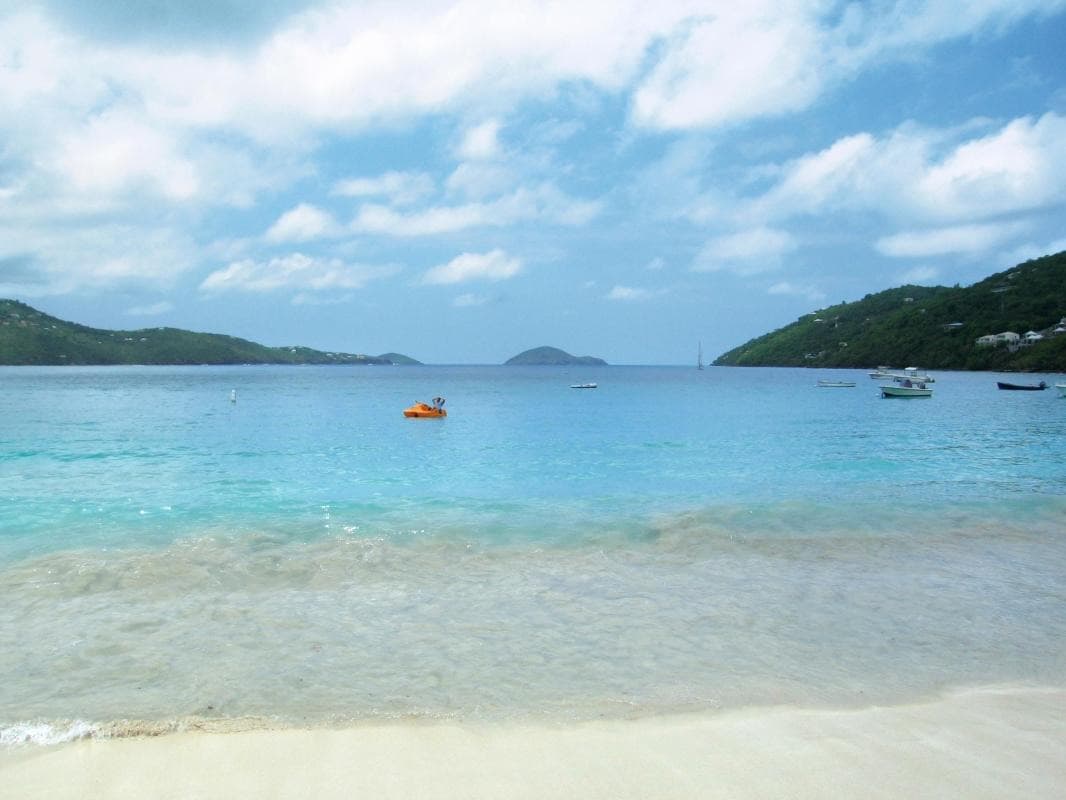
The ferry slides away from Charlotte Amalie like a small promise and, within ten minutes of the harbor’s clatter, the hull’s wake unravels into a wide bowl of Caribbean blue. On the shoreline, Honeymoon Beach sits with a rare, quiet confidence: a low ribbon of powder white sand cradled by coconut palms, a scatter of sunbathers, and a short, lively reef just offshore that wakes into color when you step into the water. The first thing you realize here is how easily the island obliges you to slow down—waves here don’t rush, the breeze carries salt and laughter, and the currents seem willing to let you decide how quickly to move.
Honeymoon Beach occupies a small, beloved corner of Water Island, a pocket of privacy and raw shoreline just off St. Thomas. The beach’s reputation is earned, not manufactured: clear, shallow water that graduates from translucent turquoise to a deep, consoling blue; a reef system close enough to snorkel from shore; and the possibility—often practical miracle—of meeting a sea turtle close enough to observe without disturbing. It’s this combination that makes Honeymoon Beach a destination both for the casual day-tripper and the traveler who wants to unspool an entire afternoon in the sun.
The island’s geology is ordinary Caribbean limestone and volcanic rock, but it’s the interaction of reef and sand, tide and trade wind, that creates the beach’s character. Offshore coral gardens host parrotfish, snapper, and schools of sergeant majors; underwater, the reef is a patient community that has endured hurricanes and shifting sea temperatures. Onshore, the trees have learned how to shade without stealing the view. The human history is modest and maritime—Water Island has changed hands and purposes over centuries, from private ownership to military use and eventual transfer back to civilian stewardship—so the culture that informs the beach is a working, local one: beach bars that pour Painkillers, captains who know where the turtles hang out, and a small network of businesses and residents who keep the day’s rhythms honest.
Where Honeymoon Beach shines is how it accommodates different ways of being in a tropical place. Some visitors make it a first stop on a private charter: a 36-foot TwinVee or a luxury catamaran can drop you a few strokes from shore, so you slip from deck to reef without fuss. Day charters—whether a turbo-powered FastCat with a booming stereo or a quieter private yacht—use Honeymoon Beach as a reliable waypoint between snorkeling at Turtle Cove and a beachside cold beer at Dinghy’s. Other visitors arrive by the Water Island ferry, cross a short, sandy spit and find themselves on a beach that is walkable end to end.
Snorkeling here is not a technical mission. The reef sits close enough to the shore for an easy swim with a mask and fins; sea turtles are common enough that a respectful distance and slow movements usually yield sightings. Many local charters include snorkel gear and national park fees, which makes fitting this into a single morning or afternoon straightforward. For a livelier tempo, the SeaFari FastCat offers a four-hour loop with two secluded stops—Honeymoon Cove among them—plus music, rum punch, and a social crowd looking for sun and short, sharp swims.
Practicality is part of the beach’s charm: there are no sprawling resorts here, but there is Dinghy’s Beach Bar, where seafood and icy drinks are served with a local grin. The beach has limited facilities—shade is natural, not provided—so come prepared with reef-safe sunscreen, a hat, and a refillable water bottle. For anyone planning to anchor or moor, many charters and private yachts carry mooring supplies; if you’re arriving by ferry, expect a short walk and a small, friendly fee at the bar if you want a hammock and a cold one.
Timing matters. Mornings bring glassy water and clearer snorkeling; early afternoon is when the island’s small economy finds its sun-soaked stride—boats pull up, and music floats across the sand; late afternoons bring a calmer light and smaller crowds. Hurricanes and tropical storms are seasonal facts of life—between June and November the Caribbean can be unpredictable—so plan a flexible itinerary if you travel in the wet season.
For a focused day: take a half-day or full-day private charter that includes snorkel stops at Turtle Cove, then drop anchor at Honeymoon Beach for lunch and a swim; visit Dinghy’s for a classic island drink; and time your return to Charlotte Amalie for sunset over the harbor. For a more leisurely approach: ferry over early, stake out a shady palm, snorkel close to shore, and read until the tide nudges you back to town.
Honeymoon Beach is not a remote, untouched wilderness. It’s a cultivated kind of coastal intimacy: well-loved by locals and visitors, accessible by short ferry ride or private boat, and defined by the way land and sea invite you to move at human pace. For those who want a genuine small-island beach where snorkeling, sun, and a casual drink at a wooden bar feel like the most important things in the world for a day, Honeymoon Beach rewards every intention with a simple and durable beauty.
If you go: respect the reef, use reef-safe sunscreen, bring a waterproof camera, and leave no trace. The beach’s best features—clear water, sea turtles, a local bar with cold beer—depend on small acts of stewardship as much as on warm weather and steady trade winds.
Recommended activities that pair perfectly with Honeymoon Beach include private and semi-private boat charters (Full-Day Luxury Boat Rental, Private Catamaran or Power Catamaran charters), shorter high-energy runs like the SeaFari FastCat for a social half-day, and focused snorkel tours that combine Buck Island and Honeymoon Beach for guaranteed turtle encounters. Taken together, they make for a day that’s equal parts island ease and marine wonder.
Trail wisdom
Small choices, better day.
Arrive early for calm water
Morning hours usually bring the clearest water and the best chance to snorkel with turtles before the boats and crowds arrive.
Use reef-safe sunscreen
Protect coral and marine life by using sunscreen labeled ‘reef-safe’ and applying it at least 15 minutes before entering the water.
Bring cash for Dinghy’s
The beach bar accepts cash and cards sporadically; bring small bills for drinks, tips, and beachside snacks.
Respect turtle etiquette
Keep distance, avoid chasing, and never feed sea turtles—let them approach on their terms.
Local knowledge
Read the place, not just the route.
Watch for native species including Green sea turtles, Parrotfish.
Keep an eye out for wildlife during the transition between areas and habitats. Respect distance guidelines.
The local community and charters emphasize reef protection—visitors are encouraged to use moorings where available, avoid touching coral, and use reef-safe products.
Follow the guide's instructions on size limits, ethical handling, and leave-no-trace practices.
Dinghy’s Beach Bar for an authentic island lunch and Painkiller cocktails. Short snorkel off the eastern point where coral gardens are denser and fish life congregates
Locally recommended viewpoints and quiet spots known best to local operators.
Water Island has a layered history of private ownership and strategic military use; today it’s a small, community-oriented island valued for its beaches and local culture.
Maritime roots and regional tradition shape the waterways and working coasts.
Seasonal guide
Four versions of the same landscape.
Spring
Best forcalmer seas · snorkeling clarity
Challengeshigher visitor numbers · brighter sun
Spring (March–May) brings warm, clear water and stable conditions—ideal for snorkeling and beach days, though March can be busier with peak-season travelers.
Summer
Best forlong daylight hours · boat hopping between cays
Challengeshotter temperatures · occasional storms
Summer delivers long, hot days and lively charters; watch forecasts during hurricane season (June–November) and plan flexible bookings.
Fall
Best forfewer crowds · lower rates
Challengeshigher hurricane risk · more variable sea conditions
Fall can mean quieter beaches and better deals, but weather is less predictable—keep an eye on tropical systems.
Winter
Best forpeak visibility · pleasant temperatures
Challengesbusier with holiday travelers · book charters in advance
December–February offers comfortable temperatures and excellent water clarity, but it’s also high season—reserve charters and ferry seats early.
Pack with intention
What to bring.
Good to know
Common questions.
You can reach Honeymoon Beach by a short Water Island ferry from Charlotte Amalie or by private boat/charter; many tours include a stop directly at the beach.
Plan the edges
The details that make the day easier.
Honeymoon Beach on Water Island is consistently rated among the top beaches in the U.S. Virgin Islands on TripAdvisor, prized for its shallow snorkeling and frequent turtle sightings.
Dinghy’s Beach Bar is a cultural anchor—expect local music, fresh seafood, and the famed Painkiller cocktail; crew and bartenders share island tips and know the best nearby snorkeling pockets.
Choose operators that use moorings, avoid anchoring on reefs, and promote reef-safe practices; do not touch or feed marine life and pack out trash to protect the reef ecosystem.
Explore by topic
Follow the threads.
Keep exploring
Make the story part of the trip.
Set out from Bass Harbor for a private, customizable day on Blue Hill Bay — lighthouses, puffins, seals, and the chance to feel Acadia from the water. Small groups, local captains, unforgettable views.
In four hours you can move from shaded canyon ferns to wind-scoured coastal ridgelines, guided by someone who knows where the light—and the hidden views—live. This private half-day hike on the Monterey Peninsula or Big Sur is compact, curated, and perfect for travelers who want depth without a multiday commitment.
 Related story
Beneath a sky of shifting light, Skaftafell’s ice reads like a map of time. This three-hour guided glacier hike mixes technical instruction with geology and culture: compact, safe, and unforgettable.