
What the day feels like
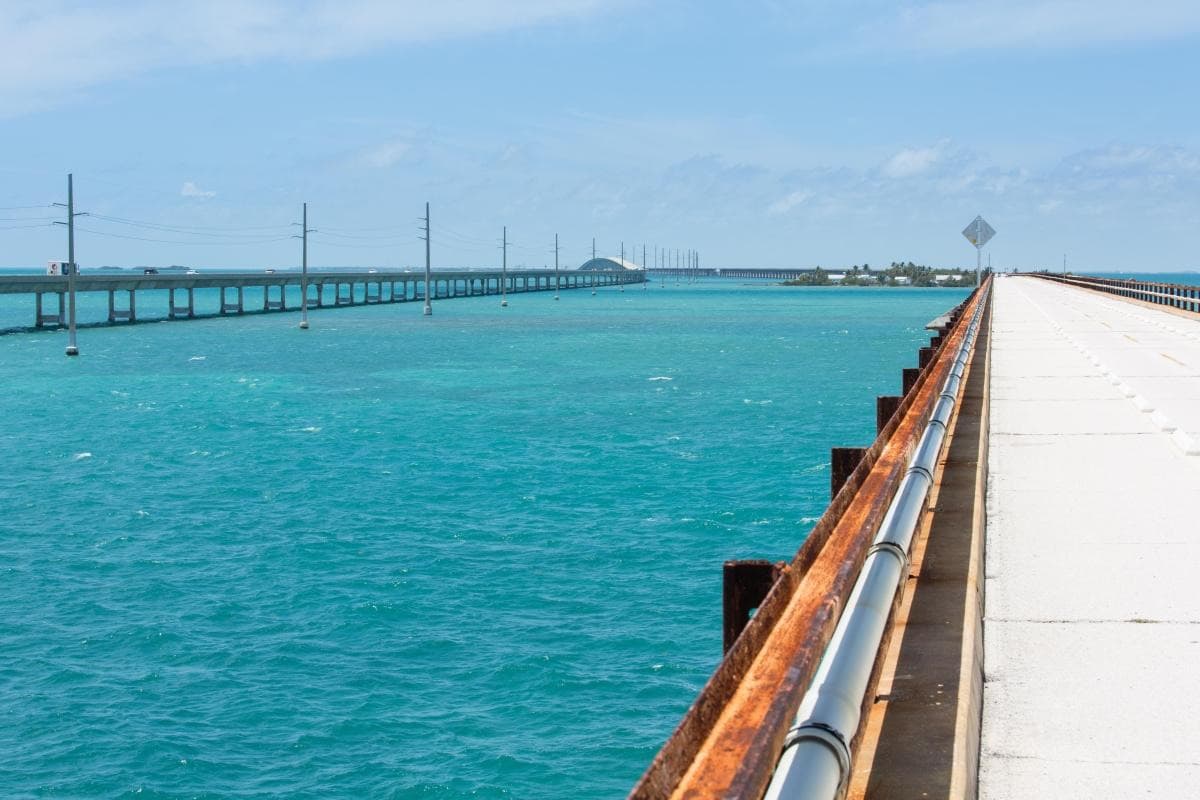
The engine hums, salt spray tangles in the air and the horizon turns into a ribbon of blue—this is the Overseas Highway. From the passenger seat the ocean is nearly constant: the Gulf to the west and the Atlantic to the east, each with its own personality. The road laces across low, green keys and arched bridges, sending a steady invitation to slow down. Even when your schedule is tight, the highway resists haste. It wants you to notice the small things: a brown pelican folding into the wind, the ghostly silhouette of a railroad trestle, a cluster of pastel conch houses clustered at the water’s edge.
The route you’re on is more than a scenic drive; it’s a living timeline. Built on sections of the Florida East Coast Railway after the devastating Labor Day Hurricane of 1935, the Overseas Highway is a patchwork of history and engineering that stitches mainland Florida to Key West over roughly 113 miles. As you cross each bridge—none more iconic than the 7-Mile Bridge—the road reveals geological and cultural layers: coral limestone keys born of ancient reefs, mangrove thickets that cradle juvenile fish, and communities shaped by seafaring livelihoods and Caribbean proximity.
If the highway speaks, it speaks in weather and wildlife. Mornings bring a crystalline light that makes the water look like glass. Afternoons swell with trade winds that push the ocean into a restless mood. The shoreline seems to dare you to slow, jump out and feel it. On certain bends, endangered Key deer nibble at roadside saltgrass; on others, the Blue Hole—a remnant of the quarry pits from the railway era—sits like a still, dark eye in the center of pine and buttonwood. The land grants you fleeting encounters: ospreys clutching their fish, territorial brown pelicans diving into the shallows, and schools of tarpon that flash when you’re lucky.
Culturally the Keys are an amalgam. Key West hums with a Caribbean cadence—Cuban influences ripple through the food, music and vernacular architecture. Sloppy Joe’s and Hemingway’s house are only half the story; step off the main streets and you find neighborhoods where conch houses—wooden, raised and colorful—stand as practical, beautiful adaptations to salt, heat and wind. Mallory Square’s sunset celebration is a ritual of the city, where locals and visitors gather to applaud the day’s end as if the sun itself had done something personal for them.
The Overseas Highway is ideal for travelers who like to move slowly but meaningfully. A true appreciation of the route takes more than a windshield glance: pull over at the historic bridges, hike a short trail at Bahia Honda State Park to place your feet in both the Atlantic and Gulf, or book a guided experience to unpack the ecology and history. Viator’s curated options include everything from private full-day drives from Key Largo to Key West to VIP nature-and-history tours that stop for Bahia Honda’s beaches, the Key Deer on Big Pine Key, and the Blue Hole. There are also longer full-day experiences that pair the drive with aquarium encounters and lunch—good options if you prefer interpretation and logistics handled for you.
Practicalities matter on this road. The full drive from Key Largo to Key West is about 113 miles and, without stops, roughly two-and-a-half to three hours. But that’s the wrong metric: the highway is designed to be sampled. Plan for a full day if you want to see the highlights—Bahia Honda’s white-sand beaches, the old railway bridge fragments, and the photo ops at the 7-Mile Bridge. Gas stations thin out between towns; start with a full tank and plan refueling breaks at Marathon or Big Pine Key. Service and cell reception can be spotty—download maps or carry an offline plan. Weather is king here: avoid driving during tropical storms, and expect stronger winds and spray on exposed bridges.
Gear is simple: sun protection, water, a good camera and a light wind layer. Footwear for short beach walks and insect repellent for morning and dusk wildlife viewing are smart choices. For photographers, golden-hour light along the bridges is superb; bring a polarizer to cut glare from the water and a long lens to isolate birds and distant boats.
Choose your season intentionally. Winter and spring bring calm seas and comfortable temperatures, while summer offers vivid tropical colors but more humidity and the risk of hurricanes. If you want to combine the drive with snorkeling or boating, summer and early fall deliver warmest water—just watch the forecast.
The Overseas Highway is a study in balance—the built and the natural, movement and pause. It’s a road that rewards a curious pace, where every bridge crossing is also a small crossing of time: from industrial aspiration of the railway era to a modern corridor that supports communities, tourism and fragile marine ecosystems. Drive with patience and respect. Pull over when you want to listen. The ocean will keep telling its story, in waves and light and wind, as the highway bends and the islands drift by like pages in a well-traveled book.
Trail wisdom
Small choices, better day.
Tank Up Before Long Stretches
Fuel stations are spaced out—start with a full tank and refuel in Marathon or Big Pine Key to avoid long detours.
Use Reef-Safe Sunscreen
Protect yourself and the coral reef—choose sunscreen labeled 'reef-safe' to reduce chemical runoff.
Plan Stops, Not Just Checkpoints
Schedule time for Bahia Honda State Park, the 7-Mile Bridge viewpoints and the Blue Hole—these stops reward a slow pace.
Respect Wildlife and Private Property
Observe Key deer and shorebirds from a distance and don’t approach animals or walk into marked conservation areas.
Local knowledge
Read the place, not just the route.
Watch for native species including Key deer, brown pelican.
Keep an eye out for wildlife during the transition between areas and habitats. Respect distance guidelines.
The Florida Keys contain fragile reefs and mangroves—visitors should use reef-safe products, avoid anchoring on coral and follow posted wildlife protections.
Follow the guide's instructions on size limits, ethical handling, and leave-no-trace practices.
Walk the old Bahia Honda railroad bridge remnants for unique water views. Visit the Blue Hole on Big Pine Key at dusk for a quiet wildlife moment
Locally recommended viewpoints and quiet spots known best to local operators.
Much of the Overseas Highway was built on the remnants of the Florida East Coast Railway after the catastrophic 1935 Labor Day Hurricane, transforming rail lines into roadbeds.
Maritime roots and regional tradition shape the waterways and working coasts.
Seasonal guide
Four versions of the same landscape.
Spring
Best forwildlife viewing · pleasant driving temps · fewer crowds than winter
Challengesoccasional rain · spring break crowds late season
Spring offers comfortable temperatures and active wildlife—great for beach walks and photography, but expect intermittent showers.
Summer
Best forsnorkeling · warm water activities · lush tropical colors
Challengesheat and humidity · hurricane season risk
Summer brings warm seas ideal for snorkeling and boating; stay weather-aware and book flexible plans during hurricane season.
Fall
Best forlower rates · calmer shoulder-season travel · opportunistic snorkeling
Challengesincreased storm potential through November · some attraction closures
Fall is quieter and can be pleasant, but remains inside the broader hurricane window—monitor forecasts and travel insurance is wise.
Winter
Best forcomfortable temps · reliable weather · peak wildlife viewing
Challengeshigher visitor numbers · advance bookings required
Winter offers ideal, temperate driving and outdoor conditions—expect larger crowds and higher prices in Key West.
Pack with intention
What to bring.
Good to know
Common questions.
Direct driving takes about 2.5–3 hours, but a full day (6–8 hours) is recommended to stop and explore highlights like Bahia Honda and the 7-Mile Bridge.
Plan the edges
The details that make the day easier.
Much of the Overseas Highway was rebuilt using the remaining bridge pilings and roadbed of the Florida East Coast Railway after the Labor Day Hurricane of 1935—transforming a devastated rail line into today’s scenic drive.
Expect Cuban-inspired coffee and conch fritters, island music drifting from bars, and a laid-back culture that prizes sunsets and seafood—Key West culinary life mixes Cuban, Bahamian and Floridian flavors.
- Route
- Key Largo → Key West (~113 miles). Drive time (no stops): ~2.5–3 hours. Best time: winter–spring. Essentials: full tank, reef-safe sunscreen, park fees for Bahia Honda.
Use reef-safe products, avoid disturbing wildlife (especially Key deer), and support local eco-tours that practice responsible anchoring and reef protection.
Explore by topic
Follow the threads.
Keep exploring
Make the story part of the trip.
Set out from Bass Harbor for a private, customizable day on Blue Hill Bay — lighthouses, puffins, seals, and the chance to feel Acadia from the water. Small groups, local captains, unforgettable views.
In four hours you can move from shaded canyon ferns to wind-scoured coastal ridgelines, guided by someone who knows where the light—and the hidden views—live. This private half-day hike on the Monterey Peninsula or Big Sur is compact, curated, and perfect for travelers who want depth without a multiday commitment.
 Related story
Beneath a sky of shifting light, Skaftafell’s ice reads like a map of time. This three-hour guided glacier hike mixes technical instruction with geology and culture: compact, safe, and unforgettable.