
What the day feels like
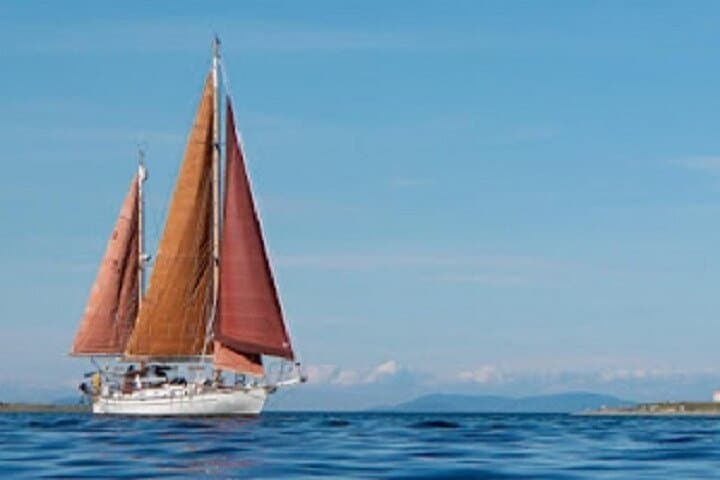
The bow parts a glassy blue; spray threads the air and smells faintly of kelp and diesel. Low hills of the Olympic foothills stand watch along the horizon as the city slips back and the Salish Sea opens into a broad stage. Onboard the Ingrid Princess—an ocean‑going, full‑keel ketch with weathered wood and taut rigs—there's a small, excited hush as the captain calls for a sheet. For a moment the world narrows to the line in your hands and the sound of sails filling. If you’ve ever wanted to feel what it means to move with wind rather than against it, this is the exact place to learn.
A day sail out of Port Angeles or Sequim Bay is both simple and elemental: leave the dock, hoist canvas, trim sheets, and watch wildlife punctuate the margins—harbor seals popping up like curious coins, bald eagles quartering the shoreline, and, on lucky days, transient orca pods cutting across the water. The Ingrid Princess is set up for participation; guests are invited to learn the ropes and take the helm, but nothing about the experience demands prior skill. This is not only a ride but an education in seamanship and the local marine environment. To book, consider the convenient online booking options to <a href='https://app.advcollective.com/local-experts/sail-the-ingrid-princess-on-sequim-bay-salish-sea-day-charters'>Sail the Ingrid Princess</a> and customize your time on the water.
Geology and culture meet here. The Olympic Peninsula is a patchwork of uplifted sandstone, carved fjords, and glacially scoured bays; the Salish Sea—broad and semi‑sheltered—has fed coastal communities for millennia. Indigenous tribes of the region, including the Klallam and S’Klallam peoples, have navigated these waters in plank canoes and woven their lifeways around salmon, shellfish, and seasonal passage. Today’s wooden hulls and modern lines still feel like a continuation of that relationship: the sea as provider, route, and classroom.
The sailing itself lives in the details. Charters range from quick, one‑hour tacks to three‑hour outings that push toward quieter corners of Sequim Bay or open up toward Port Angeles harbor. The Ingrid Princess’s full keel gives the ride a steady, confident roll—the kind that invites guests to participate in trimming sails or simply stand back and absorb a slow, decorative seascape of buoys, pilings, and small islands. Prices begin at around $240 for private charters, making this an accessible way to add a marine chapter to an Olympic Peninsula itinerary.
Practical realities: timing matters. Winds are generally light in the morning and build in the afternoon; for a classic sailing experience, mid‑afternoon sails often offer the best balance between wind and visibility. Dress in layers—the ocean will feel cooler than the shore even in August—and bring a waterproof shell and non‑slip shoes. Bring a camera but secure it; the best photos often come from leaning over the rail for a low, compositional shot of bow and wake. Book in advance during the summer months, when demand peaks, and take advantage of the captain’s willingness to customize itineraries if you want to chase whales, photograph light at sunset, or plan a small private celebration.
Safety and stewardship are built into the trip. The crew briefs everyone on basic safety and life jacket protocol before departure; the vessel’s design makes it suitable for a wide range of ages and fitness levels. On the environmental side, this stretch of the Salish Sea is a working marine ecosystem, so guests are asked to minimize noise and avoid disturbing wildlife. The operator also offers flexible cancellation policies—a practical touch if the weather shifts.
Beyond the boat, this outing plugs neatly into an Olympic Peninsula visit. Combine a morning hike through temperate rainforest—think mossy trunks and the smell of cedar—with an afternoon sail, and you’ll have a two‑tone impression of land and sea. Or pair a charter with an evening in Port Angeles for fresh Dungeness crab and local craft beer; downtown bars and waterfront eateries make for an easy post‑sail debrief.
Why go now? There’s an immediacy to being under sail that flattens tourist tiers—novice and veteran sailors alike feel the same small human thrill when a gust bites the sail and the boat answers. For families it’s a tactile classroom; for photographers it’s an arena of light and motion; for anyone who’s driven Washington’s coastal roads, it’s a reminder that the Pacific Northwest is as much maritime as it is mountain. To claim a spot and tailor a route, you can <a href='https://app.advcollective.com/local-experts/sail-the-ingrid-princess-on-sequim-bay-salish-sea-day-charters'>book a charter on the Ingrid Princess</a> and pick the duration that fits your day.
If you’re planning, keep the basics in mind: layers, a small waterproof bag for electronics, motion‑sickness remedies if you’re sensitive, and a willingness to step into hands‑on learning. Expect a slowening of time: conversations get quieter, attention sharpens, and the horizon opens. The boat returns to shore with salt on your cuffs and a new, practical sense of how wind and hull collaborate to make the sea move. That’s the real takeaway—an afternoon that feels like both skill and solace.
For travelers who want to expand their options, the operator offers customizable sail plans for photography cruises, wildlife‑watching excursions, and intimate celebrations. Whether you’re chasing a sunset, counting sea lions, or simply learning which line does what, this is a straightforward, memorable way to taste the Salish Sea.
Trail wisdom
Small choices, better day.
Layer for Marine Weather
Even in summer, wind off the Salish Sea can be cool; pack a windproof shell and mid‑layers.
Bring Non‑Slip Shoes
Decks can be wet—soft‑soled, non‑marking shoes improve footing and keep the vessel safe.
Protect Your Gear
Use a small waterproof bag for cameras and phones; fasten straps so devices don’t go overboard.
Consider Motion Remedies
If you’re prone to seasickness, take preventive measures before boarding—ginger or medication can help.
Local knowledge
Read the place, not just the route.
Watch for native species including Harbor Seal, Bald Eagle.
Keep an eye out for wildlife during the transition between areas and habitats. Respect distance guidelines.
The Salish Sea is an ecologically rich area with active conservation efforts—avoid disturbing marine mammals and disposal of any waste overboard is prohibited.
Follow the guide's instructions on size limits, ethical handling, and leave-no-trace practices.
Skunk Bay viewpoint near Sequim for low‑angle light photography. Small, sheltered coves in eastern Sequim Bay that offer quiet birdwatching away from the harbor
Locally recommended viewpoints and quiet spots known best to local operators.
Indigenous communities have navigated and lived off the Salish Sea for millennia; the local maritime culture blends indigenous traditions with modern recreational sailing.
Maritime roots and regional tradition shape the waterways and working coasts.
Seasonal guide
Four versions of the same landscape.
Spring
Best forMigratory birdwatching · Calmer early winds
ChallengesUnpredictable rain · Cooler temperatures
Spring offers active marine birdlife and quieter harbors, but expect rain and chilly on‑deck conditions—dress warmly.
Summer
Best forConsistent afternoon sails · Whale and seal sightings
ChallengesHigher demand and bookings · Strong sun on deck
Summer is the most reliable season for pleasant sails and wildlife viewing—book ahead and wear sun protection.
Fall
Best forDramatic skies · Smaller crowds
ChallengesCooling temps · Increased weather systems
Fall brings moody light and fewer boats on the water; be prepared for cooler, wetter conditions.
Winter
Best forStorm viewing from shelter · Quiet harbors
ChallengesRough seas and cancellations · Colder, windier conditions
Winter sailing can be dramatic but is weather‑dependent; expect possible cancellations and dress for cold.
Operator details
What the booking data adds.
Included
- ✓Drinks
- ✓Licensed English Guide
Not included
- —Tips and Gratuities
Good to know
- ✓Service animals allowed
- ✓Public transportation options are available nearby
- ✓Infants are required to sit on an adult’s lap
- ✓Suitable for all physical fitness levels
Pack with intention
What to bring.
Good to know
Common questions.
No—charters welcome beginners and the crew will teach basics like steering and trimming sails; participation is optional.
Plan the edges
The details that make the day easier.
Port Angeles Harbor sits at the northern edge of the Salish Sea, a bioregion connected to the inland waters of Washington and British Columbia that supports dense concentrations of marine life.
After a sail, head to Port Angeles for fresh Dungeness crab or oysters at a waterfront eatery, then sample local microbrews downtown; Sequim’s lavender farms are a short drive east for a change of pace.
- Closest airport
- Seattle–Tacoma International (SEA)
- Closest regional access
- Port Angeles via US‑101; Driving from Port Angeles downtown to marina: under 10 minutes; Cell service: intermittent on the water; Permits: none required for day charters
This area is part of the greater Salish Sea ecosystem—pack out all trash, avoid feeding wildlife, and follow crew instructions to minimize disturbance.
Explore by topic
Follow the threads.
Keep exploring
Make the story part of the trip.
Set out from Bass Harbor for a private, customizable day on Blue Hill Bay — lighthouses, puffins, seals, and the chance to feel Acadia from the water. Small groups, local captains, unforgettable views.
In four hours you can move from shaded canyon ferns to wind-scoured coastal ridgelines, guided by someone who knows where the light—and the hidden views—live. This private half-day hike on the Monterey Peninsula or Big Sur is compact, curated, and perfect for travelers who want depth without a multiday commitment.
 Related story
Beneath a sky of shifting light, Skaftafell’s ice reads like a map of time. This three-hour guided glacier hike mixes technical instruction with geology and culture: compact, safe, and unforgettable.