
What the day feels like
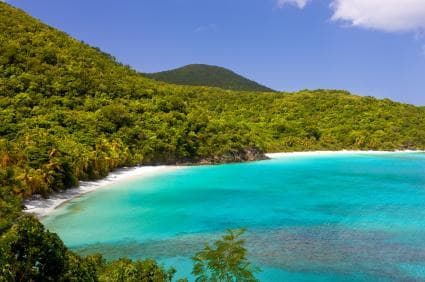
You step off the narrow roadside and the island exhales — trade wind, salt, and the distant hum of a charter motor pulling away from shore. Hawksnest Bay collects light differently; it seems to hold a clarity and calm that the rest of St. John’s north shore parcels out in jagged, brilliant pieces. Palm crowns stir as if nudging the turquoise water; beneath that surface, coral gardens hold steady, waving finger corals and brain-shaped colonies like watchful sentinels. For half a day you can let the world contract to that sheet of water, the reef, and the slow business of watching a hawksbill turtle pick at algae.
Hawksnest Bay isn’t the biggest beach on St. John, but for snorkelers and small-boat travelers it’s one of the most rewarding. The cove sits on the island’s northern arc, where volcanic rock meets carbonate sand and the sea has carved a mosaic of reef terraces. The bay is oriented to the trade winds, so mornings tend to be mirror-flat and afternoons pick up motion — a detail worth noting when you plan which way to paddle or when to drop anchor. This is a place where the ocean asks you to pay attention.
Geologically, Hawksnest sits on the same raw spine that made the Caribbean islands: volcanic upheaval followed by a slow, patient accumulation of sand and coral. The result is a complex nearshore zone where volcanic ledges tumble into shallow flats and coral heads, then slope off into deeper water. That variation creates habitat: parrotfish that grind the reef into sand, sergeant majors that patrol like tiny constables, and the occasional reef shark drifting on the edge of visibility. It’s also the reason local boat captains favor this bay for guided snorkeling — the diversity is compact and accessible.
St. John’s history is braided into the shore here. Native Taino use and later colonial agriculture shaped the island long before tourism arrived; today the Virgin Islands National Park protects roughly 60 percent of St. John’s land and shoreline, and Hawksnest benefits from that conservation legacy. Local culture still orbits Cruz Bay, the island’s hub: a compact town of pastel clapboard, rum shops, and a supply of guides and outfitters who know these coves intimately. When you come ashore, be ready to trade a few minutes of conversation for local tips — where the turtles are hanging out today, whether the moorings are taken, or if a fisherman spotted a pod of dolphins offshore.
Practicalities matter here. The reef starts fairly close to shore — expect to swim 25–150 yards to the best sections, with depths from 4–20 feet depending on the tidal swing. Visibility is typically excellent, often 30–60 feet on calm days, but wind-driven surface chop can reduce it quickly. The bay is popular with day-boat charters and kayak tours, so mornings (before 9 a.m.) are usually the quietest time to snorkel. If you’re paddling in, launch from the small sandy stretch and hug the lee side to avoid currents.
Safety and stewardship go hand in hand. Use reef-safe sunscreen, keep fins away from coral, and never touch or feed wildlife. Anchoring on reefs is destructive — look for mooring buoys or ask your charter operator to help secure the boat. If you’re renting gear in Cruz Bay, inspect masks and fins for fit; a leaky mask turns a great snorkeling session into an exercise in annoyance.
For planning: bring a light snorkeling kit, reef-safe sunscreen, a high-SPF hat for the walk back to your car, and a daypack with water and snacks. If you want to build an itinerary, pair Hawksnest with a shortshore boat hop to Maho or Cinnamon Bay, or time your visit with a sunset sail that circles the island. For photographers, a small underwater camera or waterproof housing and a bright strobelight will capture the reef colors before the sun dips and the palette drains to gray.
Who should go? Hawksnest is ideal for confident beginners and seasoned snorkelers alike. Families find the shallow reefs forgiving; experienced divers appreciate the compact biodiversity. If you’re prone to seasickness, opt for a calm-morning visit or a short kayak instead of a rolling boat charter. Guides often run 2–4 hour snorkel trips that include instruction, gear, and the benefit of somebody who knows the reefs’ moods.
When you leave the water, there’s a certain satisfaction in the salt drying on your face and the knowledge that for a few hours you saw an intersection of geology, biology, and human care that’s rare on many Caribbean coasts. Hawksnest Bay is not a backcountry peak or a technical canyon, but it offers something every bit as valuable: an intimate, effortless window into a coastal system that continues to surprise.
Whether you’re chasing the flash of a queen triggerfish or simply looking for a place to float and watch the light, Hawksnest Bay rewards observation and common sense in equal measure. Come prepared, be respectful, and let the cove do the rest.
Trail wisdom
Small choices, better day.
Go early for calm water
Morning hours (before 9 a.m.) offer the best visibility and fewer charter boats; trade winds typically pick up in the afternoon.
Use reef-safe sunscreen
Chemical-free sunblock and a long-sleeve rashguard protect both your skin and fragile coral.
Bring a surface marker or whistle
If snorkeling solo or with a small group, a bright float and whistle help you stay visible to boat traffic.
Respect mooring buoys and anchoring rules
If your charter can't use a mooring, ask the operator to deploy anchor in sand away from coral to avoid damage.
Local knowledge
Read the place, not just the route.
Watch for native species including hawksbill turtle, parrotfish.
Keep an eye out for wildlife during the transition between areas and habitats. Respect distance guidelines.
Visitors are encouraged to use mooring buoys, avoid stepping on coral, and carry out all trash to minimize human impact on the reef ecosystem.
Follow the guide's instructions on size limits, ethical handling, and leave-no-trace practices.
Walk the shoreline east after low tide to find small tide pools with juvenile reef fish. Combine a Hawksnest morning with a short hike to nearby overlooks for island panorama views
Locally recommended viewpoints and quiet spots known best to local operators.
The Virgin Islands National Park, which protects much of St. John’s coastline, was established in 1956 and helps preserve sites like Hawksnest Bay.
Maritime roots and regional tradition shape the waterways and working coasts.
Seasonal guide
Four versions of the same landscape.
Spring
Best forcalm seas · wildlife viewing · shoulder-season deals
Challengesoccasional east winds · sporadic showers
Spring offers warm water and good visibility; expect increasingly steady trade winds as you move later into the season.
Summer
Best forwarmest water · long daylight · kayaking
Challengeshigher heat and humidity · potential tropical storms
Summer brings hot, balmy days ideal for paddling, but keep an eye on weather forecasts during hurricane season.
Fall
Best forfewer crowds · comfortable sea temps
Challengesincreased storm risk late season · reduced ferry schedules
Fall is quieter with pleasant water temps, but plan flexibly around potential storm windows.
Winter
Best forcalm, crisp mornings · excellent visibility · consistent charters
Challengescooler nights · higher visitor volume around holidays
Winter is peak season for clear, glassy snorkeling conditions and predictable charter availability — book ahead.
Pack with intention
What to bring.
Good to know
Common questions.
Hawksnest is a short drive northeast of Cruz Bay; rental car or taxi from town takes 10–20 minutes depending on traffic. There’s a small roadside parking area and a short walk to the beach.
Plan the edges
The details that make the day easier.
The Virgin Islands National Park protects about 60 percent of St. John and was established in 1956, helping preserve many of the island’s beaches and reefs including those near Hawksnest.
Cruz Bay is the gateway: grab a fish sandwich and a local rum punch after your swim, pick up reef-safe sunscreen at a beach outfitter, and chat with captains to learn which coves are quiet that day.
- Getting there
- 10–20 min drive from Cruz Bay. Parking: small roadside lot. Best time: early morning. Facilities: minimal — bring water and shade. Moorings: available but limited.
Choose operators that use mooring buoys, avoid single-use plastics, and insist on reef-safe sunscreen to protect coral ecosystems.
Explore by topic
Follow the threads.
Keep exploring
Make the story part of the trip.
Set out from Bass Harbor for a private, customizable day on Blue Hill Bay — lighthouses, puffins, seals, and the chance to feel Acadia from the water. Small groups, local captains, unforgettable views.
In four hours you can move from shaded canyon ferns to wind-scoured coastal ridgelines, guided by someone who knows where the light—and the hidden views—live. This private half-day hike on the Monterey Peninsula or Big Sur is compact, curated, and perfect for travelers who want depth without a multiday commitment.
 Related story
Beneath a sky of shifting light, Skaftafell’s ice reads like a map of time. This three-hour guided glacier hike mixes technical instruction with geology and culture: compact, safe, and unforgettable.