
What the day feels like
The sun rises slow and golden over Haitang Bay, spilling across a crescent of beach so wide the shoreline feels like a private stage. Small wooden boats bob near the headland, their paint peeled by salt and sun; men haul boxes of silver fish to the market while women arrange bright piles of shellfish and tropical fruit. There’s the smell of brine and charcoal from grill pans, and the low, easy chatter of a community that still measures time by tides. This is Sanya’s quieter edge—Haitang Bay, where resort glint meets authentic coastal life—and it’s an ideal place to unspool a day between market stalls, a seafood lunch fresh from the tank, and an easy, restorative stretch of sand.
Haitang Bay sits on Hainan’s eastern shore, a sweep of turquoise backed by low, wooded ridges. Geologically, Hainan is an island of contrasts: ancient continental crust with recent coral growth around its coasts. The bay’s beaches are broad and sandy because of longshore currents that collect sediment from nearby reefs; offshore coral gardens still support a living fishery, and the local villages have depended on them for generations. Historically, Sanya’s coastline was dotted with small fishing communities—places where Li and Miao traditions braided with maritime trade routes across the South China Sea. Today, tourists come for the beaches and resorts, but a short turn inland or along the shoreline delivers the old rhythms: early morning markets, boats returning heavy with catch, and family-run kitchens turning the ocean into meals within minutes.
A typical visit that captures both sides of this place is the Authentic Fishing Village Tour with Great Seafood Lunch & Relaxing Beach Time. The itinerary is simple and effective: a local guide escorts you through a fishing village, a market where you can taste street snacks and buy local goods, and then to a shingle-fronted tank where the day’s catch still swims. The promise—seafood from tank to table in ten minutes—isn’t a marketing line so much as a fact, and it’s worth planning your appetite around it. After lunch, you can drift to one of Haitang’s broad beaches and let the current of the place slow you down—a contrast to the quick sensory education of the market.
What makes the visit satisfying is how tangible local life remains. Vendors work by hand, fishermen repair nets without pretense, and the seafood is straightforward—steamed fish, chili crabs, and simply grilled prawns finished with lime and a drizzle of coconut oil. The scene is convivial and unshowy; expect shared tables and direct, hospitable interactions. For travelers who like context with their experience, ask your guide about the fishing seasons, which species are most prized in local dishes, and the traditions of the Li people who still celebrate sea and harvest in seasonal festivals.
Practical details: the visit is mellow in difficulty—mostly walking on flat streets, short boardwalks, and beach sand. Bring sun protection (reef-safe sunscreen recommended), a water bottle, and a camera for the market’s close-up portraits. Timing matters: markets hum in the morning as boats return; late afternoon is best for a calmer beach, soft light for photographs, and the window when the heat eases.
If you’re the sort of traveler who likes to mix local authenticity with minimalist planning, this is a model day. You’ll learn to recognize the different calls of vendors, spot the creel marks on a fisherman’s boat that tell you where it comes from, and taste the immediate payoff of a coastal food economy where freshness is the point. At the same time, Haitang Bay has modern infrastructure—resorts, well-maintained roads, and English-speaking staff in tourist hubs—so you can balance comfort with curiosity.
How to prepare: wear breathable, quick-dry clothing and supportive sandals for walking between market stalls and the beach. If you are joining an organized tour, confirm pickup logistics—many operators will collect travelers from Sanya hotels. Bring small cash for market purchases; bargaining here is light and friendly compared to mainland China’s larger markets. If you dive or snorkel, choose operators that commit to reef-safe practices—Haitang’s nearshore reefs are recovering and sensitive to chemical sunscreens and anchor damage.
Beyond one day, Haitang Bay can be a base for exploration. Drive north to quieter coves, take a ferry to nearby islets for snorkeling, or schedule a dawn photo walk when light turns every boat into a silhouette. The bay’s dual personality—resort polish and working coastline—means you can choose more activity (watersports, boat trips) or more immersion (village markets and seafood feasts). Both offer a clear reward: an experience that’s sensory, local, and undeniably coastal.
For anyone planning this trip, the essential takeaway is balance. Spend the morning among the market’s bustle, eat simply and well at a family-run table, then let the long beach in the afternoon do what long beaches do: settle you. Haitang Bay doesn’t ask for grand endurance; it asks for attention. Attend to the tides, the taste of a freshly steamed fish, the rhythm of nets being mended—and you’ll leave with more than photos. You’ll take a sense of the sea’s economy and a lasting appreciation for the small, human details that make coastal life here both sturdy and immediate.
Trail wisdom
Small choices, better day.
Go early to the market
Fishermen return with the freshest catch in the morning—arrive before 9am to see landings and snag the best seafood.
Use reef-safe sunscreen
The bay’s nearshore reefs are sensitive—pick mineral-based, oxybenzone-free sunscreen to protect coral.
Bring small cash
Many village vendors prefer cash for snacks and souvenirs—have small bills for quick purchases.
Wear quick-dry footwear
Stalls, wet decks, and beach sand are all part of the day—supportive sandals or light hikers help mobility.
Local knowledge
Read the place, not just the route.
Watch for native species including green sea turtles (offshore, seasonal), tropical reef fish such as parrotfish and grouper.
Keep an eye out for wildlife during the transition between areas and habitats. Respect distance guidelines.
Local groups and operators are promoting reef-safe practices and sustainable fishing to protect coral habitats and maintain fish stocks for future generations.
Follow the guide's instructions on size limits, ethical handling, and leave-no-trace practices.
A small headland east of the main beach for sunset silhouettes and local kiteboarders. An inland lane market where elder women sell homemade coconut sweets and salted fish
Locally recommended viewpoints and quiet spots known best to local operators.
Haitang Bay’s fishing villages have supplied Sanya’s coastal communities for generations; the bay’s name (Haitang means 'begonia') is linked to local flowering trees once common in the area.
Maritime roots and regional tradition shape the waterways and working coasts.
Seasonal guide
Four versions of the same landscape.
Spring
Best formarket visits · mild beach days · birdwatching
Challengesoccasional rain showers · jellyfish season starts
Spring brings mild temperatures and active markets; pack a light rain layer and avoid jellyfish-prone weeks.
Summer
Best forswimming · watersports · long daylight hours
Challengeshigh heat and humidity · typhoon season risk
Summer is hot and lively with strong sun; if traveling June–August check weather forecasts for storms.
Fall
Best forclear seas · snorkeling · seafood festivals
Challengesincreasing tourist numbers · higher hotel rates
Autumn often offers the best visibility for snorkeling and comfortable temperatures—book ahead for weekends.
Winter
Best forcalm beaches · outdoor exploration · hotel deals
Challengescooler nights · some services offer reduced hours
Winter is peak visitor season for good weather and calm seas—expect more crowds but excellent conditions.
Pack with intention
What to bring.
Good to know
Common questions.
Haitang Bay is about a 30–40 minute drive from Sanya central district; taxis, hotel shuttles, or arranged tour transfers are the most convenient options.
Plan the edges
The details that make the day easier.
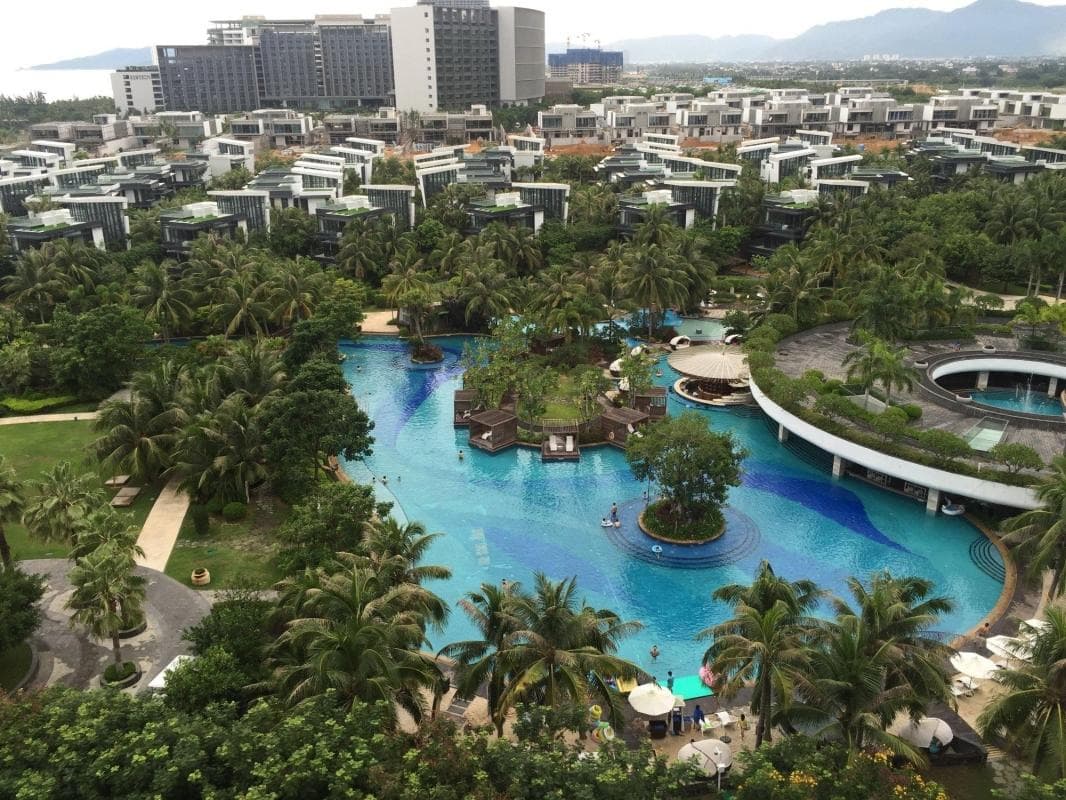
Haitang Bay is home to Atlantis Sanya, a major ocean-themed resort that opened in 2018 and helped raise the profile of this stretch of Hainan’s coast.
Taste Hainan’s coastal cuisine—freshly steamed fish, grilled prawns with lime, and coconut-infused rice; seek out family-run stalls for the most authentic flavors and look for Li minority handicrafts at local markets.
- Getting there
- 30–40 min drive from Sanya; Language: Mandarin prevalent—basic English common in tourist services; Currency: RMB; Best time: October–April for mild weather; Book: morning market tours for best seafood and fewer crowds.
Support operators who practice reef-safe anchoring, avoid chemical sunscreens, and source seafood with traceability—these choices help protect Hainan’s reefs and fishing communities.
Explore by topic
Follow the threads.
Keep exploring
Make the story part of the trip.
Set out from Bass Harbor for a private, customizable day on Blue Hill Bay — lighthouses, puffins, seals, and the chance to feel Acadia from the water. Small groups, local captains, unforgettable views.
In four hours you can move from shaded canyon ferns to wind-scoured coastal ridgelines, guided by someone who knows where the light—and the hidden views—live. This private half-day hike on the Monterey Peninsula or Big Sur is compact, curated, and perfect for travelers who want depth without a multiday commitment.
 Related story
Beneath a sky of shifting light, Skaftafell’s ice reads like a map of time. This three-hour guided glacier hike mixes technical instruction with geology and culture: compact, safe, and unforgettable.