
What the day feels like
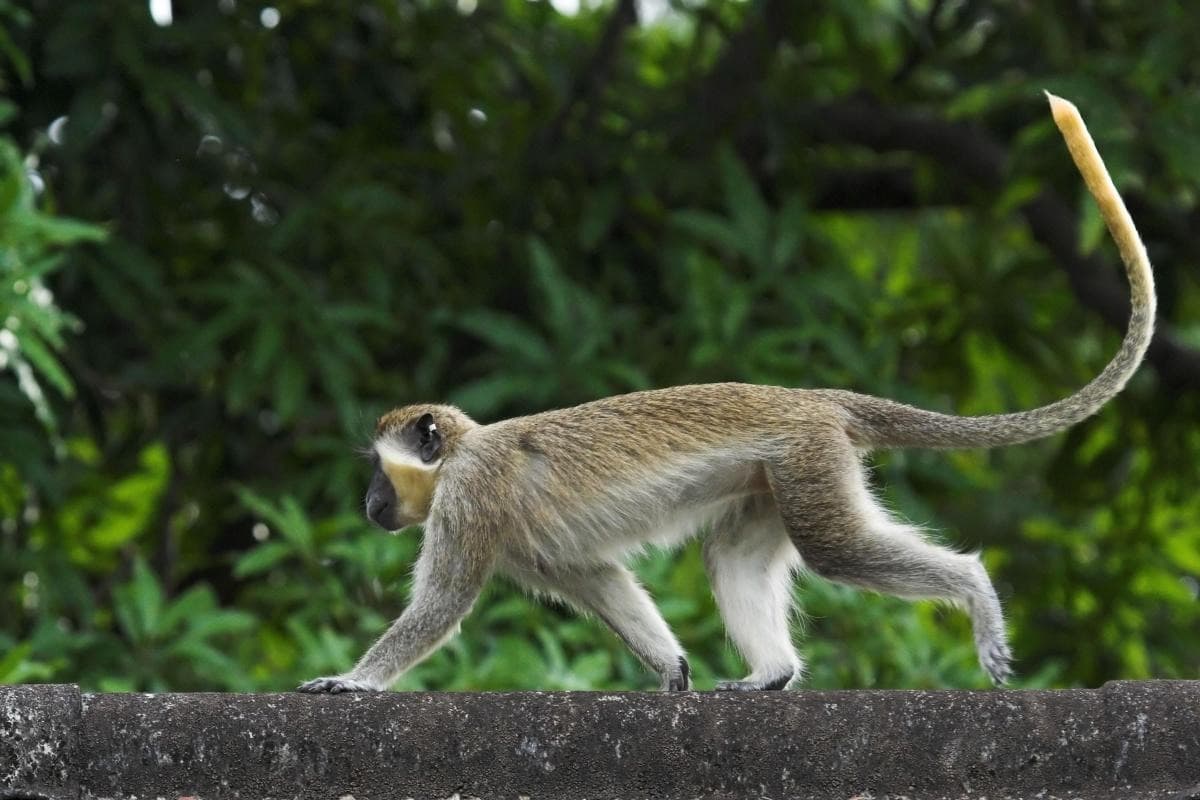
The path into the Barbados Wildlife Reserve begins like a promise: a narrow lane of dappled shade, palms and broad-leafed trees angling overhead, the air already softened by sea-borne humidity. You walk slowly because the place asks it of you—this is not a manicured zoo but a pocket of island habitat where animals move with the casual authority of things that belong. A rattle of wings. A flash of bronze as a peacock folds and re-positions. Then, high in the banyans, a cluster of Barbados Green Monkeys flicks its tail and considers you, as curious about your presence as you are about theirs.
Visiting the Barbados Wildlife Reserve is an exercise in gentle patience and small rewards. It’s a compact sanctuary in the northern parish of Saint Peter where the island’s most recognizable mammals—the green monkeys—come out around mid-morning for their feeding. Timing your visit for that window is half the experience: not because the animals are trained to perform, but because the ritual of food and sun calls them into the open. When they do appear, there’s a clarity to the moment—an unspoken choreography of leap, pause, and watchful eye.
The reserve’s story is tied to Barbados itself: an island whose layered history of colonial agriculture, trade winds, and reef-bounded seas shaped human life—and, by extension, the spaces set aside for wildlife. The green monkey is not native; its ancestors arrived from West Africa centuries ago and became woven into the island’s ecology. Today they’re one of the reserve’s best-known inhabitants, but you’ll also encounter red-legged tortoises plodding with slow, indifferent dignity, iguanas sunning on old stone walls, free-roaming deer, and the occasional stoic peacock. The setting is quiet—tree canopies that slow the light, patches of fern and ginger, and paths that loop around small enclosures and open glades.
Geologically, Barbados is the tip of an uplifted coral plateau. That underpins the island’s honeycombed limestone cliffs on the east coast and the more sheltered turquoise bays on the west. The reserve sits inland from those stark Atlantic-facing cliffs, in a pocket of greener relief where soils collect and trees take hold. That contrast—rugged coast and sheltered grove—helps explain why so many of the island’s touring routes pair the reserve with stops at Bathsheba’s roiling surf, Cherry Tree Hill’s high viewpoints, or the limestone chambers of Harrison’s Cave.
For travelers, the reserve is a practical half-day excursion or a gentle bookend to a day of beaches and viewpoints. It works well for families—children are reliably thrilled by close, safe animal encounters—and for anyone who prefers nature without a long hike. Many of the island’s shore excursions and small-group tours build the reserve into larger itineraries that include Bathsheba, Morgan Lewis Windmill, and the Flower Forest; those pairings make the day into a narrative: reef and surf, history and industry, then soft, domestic wildness where the monkeys live.
There’s a straightforward etiquette here. The staff time the feedings to encourage natural behavior, and visitors are asked to observe rather than touch or feed animals. For photographers, the reserve rewards patient observation: telephoto lenses let you frame monkeys swinging between branches without disturbing them, while wider lenses capture the layered environment—trees, stone, and a peacock’s fan unfurling like a secret.
Practical planning is simple but important. Come early in the morning if you want the quietest experience; mid-morning aligns with feeding time and the best chance to see the green monkeys. Wear closed-toe shoes because some paths can be uneven and, after sudden tropical showers, a bit slippery. Bring reef-friendly sunscreen and a refillable water bottle; the island’s dry season (December–April) is cooler and drier, but heat can still find you under the canopy.
If you’re building the reserve into a fuller itinerary, it pairs naturally with east-coast viewpoints and the famed Harrison’s Cave tram tour. Many operators combine the wildlife visit with a beach stop at Carlisle Bay—where snorkeling with turtles is feasible—or a scenic drive through Cherry Tree Hill. If your priority is animals and short walks, plan on 60–90 minutes at the reserve; if you’re joining a full-day tour, expect a longer day, transport, and a few curated stops that add context to the island’s natural and cultural history.
Conservation-minded travelers will appreciate that the reserve operates as a sanctuary rather than a spectacle. It’s an opportunity to see animals living in a landscape similar to their own habitat, and your visit supports continued care and habitat preservation. Small behavior changes—no feeding, no sudden movements, and using only biodegradable sunscreen—keep the environment healthier for animals and people alike.
At its best, a visit to the Barbados Wildlife Reserve feels like finding an intimate room within a larger island: a place where the everyday business of local animals unfolds with an ease that’s at once ordinary and extraordinary. It’s not about rare species or grand vistas; it’s about quiet attentiveness to life that has adapted to an island’s rhythm. For anyone staying in Speightstown or Bridgetown and looking for a short nature stop with big personality, the reserve is a small, wise invitation to see Barbados differently.
Trail wisdom
Small choices, better day.
Aim for feeding time
Mid-morning is when staff deliver food and the green monkeys become most visible—plan arrival accordingly.
Wear sturdy shoes
Paths can be uneven and muddy after rain—closed-toe shoes make the short walk more comfortable.
Keep interactions hands-off
Do not feed or touch animals; the reserve manages diets and human food can be harmful.
Bring water and reef-safe sunscreen
Hydrate and protect your skin; using reef-safe sunscreen is kinder to nearby marine ecosystems.
Local knowledge
Read the place, not just the route.
Watch for native species including Barbados Green Monkey, Red-legged tortoise, Iguana, Peacock.
Keep an eye out for wildlife during the transition between areas and habitats. Respect distance guidelines.
The site operates as a sanctuary focused on animal welfare; visitors are asked to observe rules (no feeding, no littering) to reduce human impact.
Follow the guide's instructions on size limits, ethical handling, and leave-no-trace practices.
Cherry Tree Hill viewpoint for panoramic inland views. Bathsheba shore for dramatic Atlantic surf and rock formations
Locally recommended viewpoints and quiet spots known best to local operators.
The reserve was established to protect and care for local and introduced species—green monkeys, introduced from West Africa centuries ago, are a locally iconic population.
Maritime roots and regional tradition shape the waterways and working coasts.
Seasonal guide
Four versions of the same landscape.
Spring
Best forfewer crowds · pleasant dry weather · active wildlife
Challengesintermittent showers late season · warmer afternoons
March–May offers warm, mostly dry days—great for active animal viewing and pairing the reserve with east-coast sightseeing.
Summer
Best forlush vegetation · longer daylight · fewer international tourists
Challengeshigher humidity · frequent afternoon showers · mosquitoes
June–August brings greener landscapes and periodic downpours; mornings are best for wildlife viewing before rains arrive.
Fall
Best forgreen island scenery · lower rates · wildlife still active
Challengeshurricane season risk (Sept–Nov) · possible tour cancellations
September–November is quieter and greener but carries some storm risk—check forecasts and flexible bookings.
Winter
Best forcool dry weather · peak wildlife visibility · easy tour scheduling
Challengeshigher visitor numbers · booked-out tours
December–February is Barbados’ high season with pleasant temperatures—arrive early to avoid crowds during feeding time.
Pack with intention
What to bring.
Good to know
Common questions.
Mid-morning when staff deliver food—this feeding period brings monkeys into open areas and increases sighting chances.
Plan the edges
The details that make the day easier.
Barbados Green Monkeys descend from West African monkeys brought to the Caribbean during European colonization in the 17th and 18th centuries—today they are an established and visible part of the island’s fauna.
Pair a morning at the reserve with a lunch stop for flying fish and cou‑cou or a rum tasting at nearby St. Nicholas Abbey—Barbadian cuisine balances earthy, coastal, and sugar-cane flavors reflective of the island’s history.
- Know-before-you-go
- Plan 1–2 hours; arrive mid-morning for feeding; dress for shade and humidity; most visitors access via short drive from Speightstown or as part of shore excursions from Bridgetown.
Support the sanctuary by following no-feeding rules, packing out waste, and choosing operators that prioritize animal welfare and local conservation efforts.
Explore by topic
Follow the threads.
Keep exploring
Make the story part of the trip.
Set out from Bass Harbor for a private, customizable day on Blue Hill Bay — lighthouses, puffins, seals, and the chance to feel Acadia from the water. Small groups, local captains, unforgettable views.
In four hours you can move from shaded canyon ferns to wind-scoured coastal ridgelines, guided by someone who knows where the light—and the hidden views—live. This private half-day hike on the Monterey Peninsula or Big Sur is compact, curated, and perfect for travelers who want depth without a multiday commitment.
 Related story
Beneath a sky of shifting light, Skaftafell’s ice reads like a map of time. This three-hour guided glacier hike mixes technical instruction with geology and culture: compact, safe, and unforgettable.