
What the day feels like
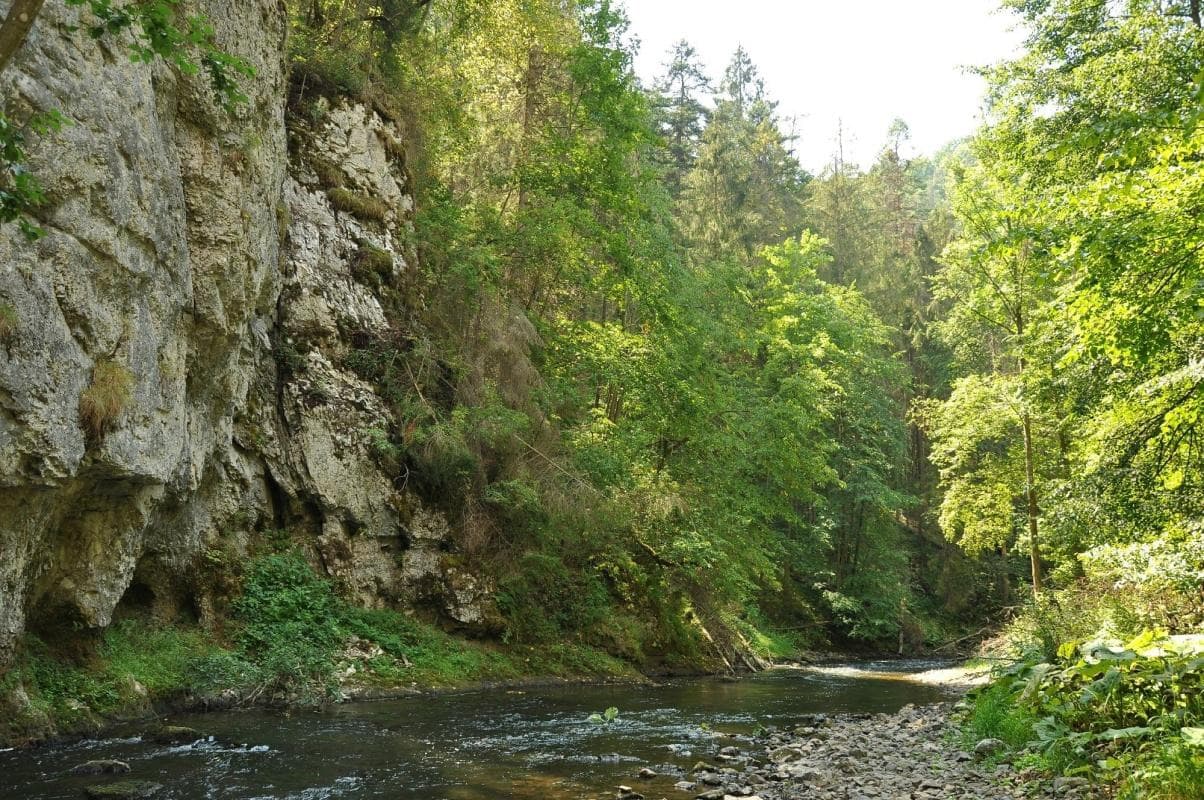
A cool breath of river-mist hits your face before the trail opens into a sudden verticality. Metal ladders bolt to mossy limestone, wooden catwalks cling to narrows, and the path—if you can call it that—zigzags between plunging walls of rock. This is Slovak Paradise National Park, and within minutes of entering its labyrinth of gorges you understand why people travel here for more than postcard panoramas: they come for the engineered intimacy between human and wild.
Slovak Paradise National Park sits in eastern Slovakia, a patchwork of beech forest and karst that funnels rain into carved gorges and a scatter of waterfalls. The place reads like a natural playground for anyone who likes their hiking with a dose of vertical spice—chains, ladders, iron bridges, and narrow catwalks that let you thread slot canyons and peer into plunging greens. Unlike alpine ridge-hiking, where the horizon rules, here the trail draws you inward: to the rumble of water, the slick gleam of limestone, and those moments when a sudden opening reveals a bowl of sky.
Geologically, the park is young in its drama. Water has been the sculptor: dissolving, undercutting, and then collapsing limestone to create the picturesque gorges you’ll hike through. Botanically, the valleys harbor cool microclimates—ferns and mosses where humidity lingers, and higher meadows sprinkled with orchids when the season is right. Culturally, the region sits near historic Spiš, with medieval towns and UNESCO sites a short drive away—making Slovak Paradise a logical addition to an Eastern Slovakia itinerary that mixes culture with active time outdoors.
For travelers, the practical pulls are clear. Multi-day guided treks—like the Viator-listed 7-day 'The best of Eastern Slovakia' and the 8-day 'Hiking in Slovakia'—package the region’s best trails into compact itineraries. Expect 6 to 8 days of walking with luggage transfers and small groups; both products advertise 2-person minimums and small-group formats (often capped at four), which keeps the focus on trail time rather than logistics. These itineraries are ideal for travelers who want to dig deeper than a day trip, combining canyon routes, forest tracks, and nearby cultural stops in towns like Spišská Nová Ves.
How hard is it? Many routes in Slovak Paradise are moderate in technical demand but can feel hard on the body: ladders and steps demand balance and confidence on vertical metal, wet stone can be slippery, and a full day can mean 10–20 kilometers with intermittent elevation gains of several hundred meters. If you’re comfortable on exposed footwork and okay with a little scrambling, you’ll be fine; if not, guided groups and local leaders reduce the stress and point out safer lines.
Timing is simple but important. Late spring brings swollen streams and dramatic cascades; summer is stable and warm but can be busy; fall mellows with color and cooler temperatures that accentuate the scent of the forest; winter chains many gorges with ice and closes some ladders. Pack for changeable weather, bring layers, and prefer grippy, broken-in footwear.
A few trail specifics to anchor expectations: Suchá Belá is the park’s most famous slot—its ladders and short exposed sections are an excellent primer for the rest of the gorges. Many itineraries stitch together such canyons with longer forestry stretches and village transfers so you cover scenic highlights without doubling back. Daily mileage is reasonable—most tour days are built for sight-seeing stride rather than endurance-only slogging—but plan on walking multiple days in a row and choose a guided option if you prefer not to self-navigate.
Beyond the trails, food and culture make Slovak Paradise a full-sense trip. The Spiš region leans rustic: hearty soups, smoked pork, and bryndzové halušky (potato dumplings with sheep cheese) fuel long hikes. Regional guesthouses are comfortable and convivial; staying in small-family pensions is both practical and an easy way to plug into local knowledge about weather, route conditions, and hidden viewpoints.
If you’re plotting a visit, here’s the pragmatic takeaway: guided 7- and 8-day hikes in the park turn logistical friction into local expertise. They’re run in small groups (minimum two people) and can be tailored—operators often negotiate group pricing for larger parties—and they get you deeper into the park than a single-day excursion can. For independent travelers, plan your days around the park’s main gorges, start early to avoid peak crowds on ladders, and carry a lightweight rain shell for the many waterfalls and microclimates.
Slovak Paradise rewards modest ambitions with big impressions. It’s not about conquering high peaks; it’s about negotiating intimate, engineered passages that make you an active participant in the landscape. The ladders pull you up; the rivers pull you along. If you like your hikes where the terrain keeps you present, where the trail alternates between calm forest and hand-over-hand verticality, pack your boots and go find the gorges.
Trail wisdom
Small choices, better day.
Use grippy boots
Choose hiking shoes with sticky rubber and good ankle support—many ladders and rock steps get wet and slick.
Start early
Popular gorges like Suchá Belá are narrow; early starts avoid ladder bottlenecks and afternoon rain.
Pack a light rain shell
Microclimates around waterfalls can be surprisingly wet even on otherwise fair days.
Consider a guided multi-day tour
Small-group 7–8 day itineraries handle transfers and lodging, making it easier to hit distant gorges without backtracking.
Local knowledge
Read the place, not just the route.
Watch for native species including Red deer, European otter (near waterways).
Keep an eye out for wildlife during the transition between areas and habitats. Respect distance guidelines.
The park balances access and protection—stick to marked trails, avoid altering ladders or catwalks, and use guided services that follow Leave No Trace practices to reduce impact.
Follow the guide's instructions on size limits, ethical handling, and leave-no-trace practices.
Take the lesser-known Prielom route for secluded gorge walking and fewer crowds. Short forest climbs above the main gorges reveal quiet meadows and unexpected viewpoints
Locally recommended viewpoints and quiet spots known best to local operators.
The Spiš region around the park has medieval roots; nearby towns preserve Gothic churches and castles that speak to centuries of Central European history.
Maritime roots and regional tradition shape the waterways and working coasts.
Seasonal guide
Four versions of the same landscape.
Spring
Best forWaterfalls at full flow · Wildflowers in meadows
ChallengesSwollen streams · Slippery ladders
Spring brings dramatic cascades and fresh green but also higher water levels—expect wet rock and some route adjustments.
Summer
Best forStable weather · Long daylight for multi-day trekking
ChallengesPeak visitor days · Warmer valley microclimates
Summer is the most straightforward time for guided hikes and long daily mileage, though busy weekends can crowd classic gorges.
Fall
Best forAutumn color · Cooler, crisper air
ChallengesEarlier sunsets · Variable weather
Fall offers spectacular foliage and fewer crowds; pack layers for cool mornings and mild afternoons.
Winter
Best forSnow- and ice-sculpted canyons · Quiet trails
ChallengesClosed ladders · Icy and hazardous conditions
Winter transforms the park but makes many canyon routes unsafe—only experienced, well-equipped parties should attempt winter travel.
Pack with intention
What to bring.
Good to know
Common questions.
No, many trails are well-marked and accessible to independent hikers, but guided multi-day tours simplify logistics and are advisable if you want a curated route or are unfamiliar with local conditions.
Plan the edges
The details that make the day easier.
Slovak Paradise is famous for its engineered ladders and catwalks that let hikers traverse narrow gorges such as Suchá Belá—these features make the park unique among Central European hiking areas.
The Spiš region’s guesthouses serve hearty meals—think smoked meats, soups, and bryndzové halušky (potato dumplings with sheep cheese)—and hosts are often eager to share local stories about the mountains.
- Nearest city
- Spišská Nová Ves; airport: Poprad
- Tatry ~1 hour; best access
- trailheads near Podlesok and Hrabušice; multi-day tours: 7–8 days; group size: typically 2–4.
Choose small-group operators, stay on marked trails, pack out all waste, and avoid creating new shortcuts—these practices protect the park’s fragile karst ecosystems and waterways.
Explore by topic
Follow the threads.
Keep exploring
Make the story part of the trip.
Set out from Bass Harbor for a private, customizable day on Blue Hill Bay — lighthouses, puffins, seals, and the chance to feel Acadia from the water. Small groups, local captains, unforgettable views.
In four hours you can move from shaded canyon ferns to wind-scoured coastal ridgelines, guided by someone who knows where the light—and the hidden views—live. This private half-day hike on the Monterey Peninsula or Big Sur is compact, curated, and perfect for travelers who want depth without a multiday commitment.
 Related story
Beneath a sky of shifting light, Skaftafell’s ice reads like a map of time. This three-hour guided glacier hike mixes technical instruction with geology and culture: compact, safe, and unforgettable.