
What the day feels like
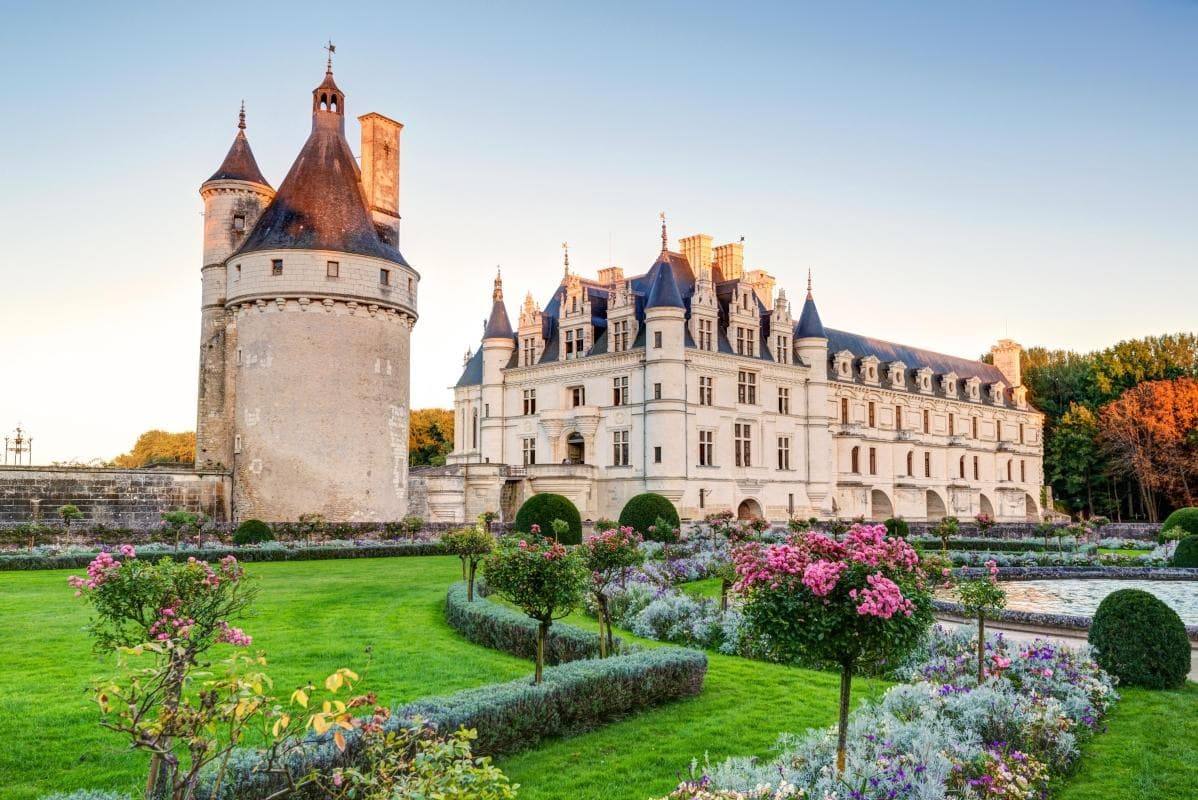
The first time you see Château de Chenonceau it doesn’t feel like a building so much as a gesture — an elegant hand laid across the glassy surface of the River Cher. Morning mist lifts off the water and the château’s pillared gallery reflects in a slow, deliberate double. Walk close enough and you can hear the river daring you to stay: it pushes under the arches and threads through the estate like a patient storyteller. This is Chenonceau — a Renaissance palace that reads like a biography written by the women who shaped it.
Arrive in spring and the gardens introduce themselves in a brash palette: clipped parterres, rows of roses, and lavender framing the stone. Summer softens the edges; the trellised vines of nearby Touraine vineyards hint at lightness in a Loire Valley that’s as much about food and wine as it is about architecture. Walk the gallery spanning the Cher and imagine Catherine de’ Medici and Diane de Poitiers playing a quiet game of power across these very rooms. The castle is nicknamed La Château des Dames for good reason — its history is a succession of women patrons, restorers, and visionaries who remodeled interiors, planted gardens and insulated the château’s legend against centuries of upheaval.
Chenonceau’s story begins earlier than its graceful bridge. Built on the foundations of a medieval mill, the existing château took shape during the 16th century when it transformed from fortified manor into a showpiece of French Renaissance taste. The gallery over the Cher was an audacious architectural move: a palace that not only sat beside the water but reached across it, reclaiming the river as part of the visitor experience. Inside, tapestries, painted ceilings and a remarkable collection of period furniture fold you into an era that prized display and intimacy in equal measure.
Beyond the rooms, Chenonceau’s gardens are a performance in themselves. The Diane de Poitiers gardens, on the terrace below the keep, feel precise and civilized; the Catherine de’ Medici gardens across the bridge flaunt a baroque symmetry meant to impress. Nearby, the kitchen garden and flower plots supply the château’s on-site restaurant, where seasonal Loire produce meets a cellar rich with Touraine wines. The valley’s terroir is part of the visit: many guided day tours pair a Chenonceau visit with tastings at family vineyards, and wine-forward itineraries often make Chenonceau the cultured centerpiece of an otherwise delicious day.
If your yen is for perspective, you can see Chenonceau from above. Hot-air balloon flights in the Loire float over the châteaux, offering an unparalleled aerial context: a patchwork of vineyards, orchards and river loops where the château reads as a bright punctuation mark. For travelers arriving from Paris, Chenonceau is commonly packaged as a full-day escape — multiple operators offer small-group and private tours that combine skip-the-line entries, regional guides and wine tastings. The standard rhythm is relaxed: a morning arrival, two to three hours in the château and gardens, followed by a midday lunch in a nearby village and an afternoon glass at a family domaine.
Practicalities don’t have to interrupt the charm. Chenonceau is compact but busy; early arrival is the most effective way to feel the place instead of the crowd. If a day trip schedule is tight, choose a small-group or private tour that includes skip-the-line access; many itineraries also include Chambord or Amboise, turning the Loire into a sequence of high points rather than a single postcard stop. The on-site paths are well cared-for but some areas are cobbled or uneven; comfortable shoes and a lightweight rain layer are sensible. For photographers, the eastern façade and the river reflections are legendary at dawn, while the gardens throw their best colors into late afternoon light.
Chenonceau is a place to move deliberately. Walk the gallery, pause in the chapel, and step into private chambers that still bear the marks of their famous residents. If you have time, linger by the riverbank or cross to the opposite shore for a less-filmed perspective that reveals the château as a long facade interrupted by arches. Combine your visit with a tasting at a nearby producer — AOC Touraine wines are approachable and pair naturally with a picnic. And if you’re after a story to take home, book a private guide who can thread the château’s female-led history into the larger tapestry of Renaissance France.
Logistics are straightforward: Chenonceau is easily reached from Tours (about 30 minutes by car) and is a classic Loire day-trip from Paris. Bring a refillable water bottle, book ahead in high season (May–September), and plan for at least two hours on-site to explore rooms, gardens and the riverbank. For a fuller Loire experience, extend your stay with an overnight in Amboise or Tours to explore vineyards at a gentler pace.
Chenonceau is not just a must-see castle; it’s a lesson in how landscapes and power are landscaped in turn. The river under the archways moves the story forward, and the château — modest in scale compared with some Loire peers — uses charm, design and a series of decisive restorations to tell a tale of resilience. Walk slowly enough and the place will tell you its favorites: which woman planted which garden, which room offered refuge, and how a building over water came to feel as human as a conversation.
Recommended ways to experience it: arrive early on a small-group day tour from Tours or Paris; pair the château visit with a family-run vineyard tasting; or see the valley from above on a hot-air balloon for a perspective that makes the château’s graceful span look, briefly, like a secret. Each adds a different register to the same essential pleasure: a Renaissance house that chooses to be a bridge.
Trail wisdom
Small choices, better day.
Arrive at first light
Beat the crowds—early morning light gives the best reflections on the Cher and calmer garden walks.
Skip-the-line when possible
Choose small-group or private tours with skip-the-line access to maximize time inside the château and gardens.
Wear sturdy shoes
Cobbled courtyards and gravel paths in the gardens demand supportive footwear and steady footing.
Combine with a tasting
Pair your visit with an AOC Touraine tasting nearby to understand the valley’s produce and pace.
Local knowledge
Read the place, not just the route.
Watch for native species including Common kingfisher, Grey heron.
Keep an eye out for wildlife during the transition between areas and habitats. Respect distance guidelines.
The Loire Valley is a UNESCO World Heritage site; visitors are encouraged to stay on paths, avoid trampling gardens and support local producers to help preserve the landscape.
Follow the guide's instructions on size limits, ethical handling, and leave-no-trace practices.
Walk to the opposite riverbank for an understated, less-photographed façade and meadow views. Visit the nearby village of Chenonceaux market on market days for local cheese and produce
Locally recommended viewpoints and quiet spots known best to local operators.
Built across the River Cher in the 16th century, Chenonceau is known as the "Château des Dames" because influential women such as Diane de Poitiers and Catherine de' Medici played central roles in its design and history.
Maritime roots and regional tradition shape the waterways and working coasts.
Seasonal guide
Four versions of the same landscape.
Spring
Best forGardens in bloom · Mild weather · Photographs at dawn
ChallengesUnpredictable showers · Higher visitor numbers on weekends
Spring is peak garden season—rows of tulips and roses brighten the parterres, making it the most photogenic time to visit.
Summer
Best forLong daylight hours · Full garden displays · Nearby village markets
ChallengesHigher crowds · Strong afternoon sun
Summer offers warm weather and lively village life; go early to avoid tour groups and use sunscreen for midday visits.
Fall
Best forAutumnal colors · Quieter afternoons · Harvest-time wine events
ChallengesShorter days · Cooler mornings
Fall calms the crowds and brings golden hues to the trees—ideal for combining castle visits with harvest tastings.
Winter
Best forIntimate interiors · Lower crowds · Holiday closures at off-sites
ChallengesGardens dormant · Limited touring hours
Winter is best for exploring the château’s interiors in peace; gardens are quiet but the rooms feel particularly atmospheric.
Pack with intention
What to bring.
Good to know
Common questions.
Allocate 2–3 hours to tour the château, stroll the gardens and cross the riverbank; add time for wine tastings or lunch nearby.
Plan the edges
The details that make the day easier.
Chenonceau is often called 'La Château des Dames' because it was owned and enhanced chiefly by women — notably Diane de Poitiers and Catherine de' Medici — and its gallery bridges the River Cher, a rare Renaissance architectural feature.
The Loire’s Touraine region pairs Chenonceau with light-bodied wines, goat cheeses and market-driven cuisine; try a local Vouvray or Sauvignon Blanc with a platter of local chèvre and charcuterie at a village bistro.
- Nearest major base
- Tours (30 min drive). Typical visit time: 2–3 hours. Booking: buy tickets in advance or join a small-group day tour from Paris. Facilities: restaurant, gift shop, toilets and limited parking on site.
Support the region by using public transport or shared tours when possible, buying from local producers, and avoiding single-use plastics; stay on marked paths to protect the château's historic gardens.
Explore by topic
Follow the threads.
Keep exploring
Make the story part of the trip.
Set out from Bass Harbor for a private, customizable day on Blue Hill Bay — lighthouses, puffins, seals, and the chance to feel Acadia from the water. Small groups, local captains, unforgettable views.
In four hours you can move from shaded canyon ferns to wind-scoured coastal ridgelines, guided by someone who knows where the light—and the hidden views—live. This private half-day hike on the Monterey Peninsula or Big Sur is compact, curated, and perfect for travelers who want depth without a multiday commitment.
 Related story
Beneath a sky of shifting light, Skaftafell’s ice reads like a map of time. This three-hour guided glacier hike mixes technical instruction with geology and culture: compact, safe, and unforgettable.