
What the day feels like
The raft slips away from the bank with a soft sigh, and suddenly the world narrows to creaking driftwood, river-smoothed pebbles and sky. A bald eagle folds into the wind not 30 feet away—wings tipped in black, eyes locked on a flash of silver in the river below—then dives with a deliberate violence that would make a knife look gentle. Around you, the Chilkat River rearranges itself into channels and eddies, braided by meltwater and tide, and the mountain walls of the Chilkat Valley stand like patient censors of the spectacle.
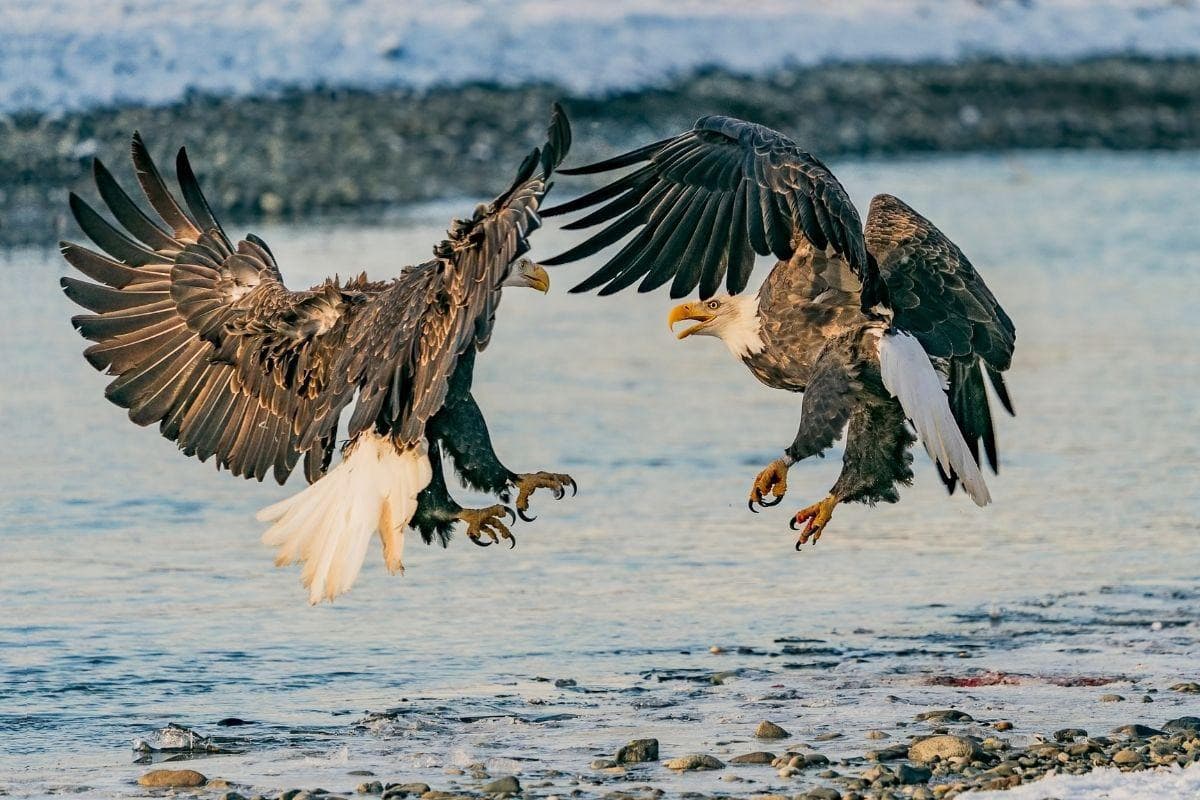
This is Haines in microcosm: a quiet town at the head of an inlet, a Tlingit homeland that reads salmon into its calendar, and a river that acts like a magnet for life. The Chilkat Bald Eagle Preserve, a protected ribbon of river and floodplain near Haines, Alaska, hosts the largest seasonal congregation of bald eagles on the planet. In the fall and early winter, thousands of birds ride the currents here to feed on the annual salmon run; in spring and summer the same trees hold nests, and parents work like clockwork to raise the next generation.
A float trip—small-group or private—is the clearest way to experience that scale. There’s no whitewater; instead the river offers cinematic calm that lets you hear the slap of an eagle’s wings and the distant crack of a salmon’s tail. Guides pilot narrow rafts through the preserve’s maze of channels, bringing you within camera range of nests perched high in cottonwoods, and pointing out riparian quirks: a log jam that’s become a bear’s fishing platform, a channel that only appears at low tide, a sandbar where river otters break the surface like toys.
Geology and ecology are braided here the way the river is braided. The Chilkat is glacial-fed, its silt-laden waters at times milky as a latte; the valley has been carved by ice and water over millennia into a broad, wildlife-rich corridor. Salmon—core actors in this drama—migrate upriver to spawn, turning shallow channels into cafeteria lines for eagles, bears, and wolves. The Tlingit people have stewarded those salmon for generations, and their language and culture are stitched into place names and subsistence life in Haines.
Tour operators frame different ways to see the preserve. Public small-group departures from Haines or even from Skagway combine scenic drives with a float that typically lasts 2–4 hours on the water; private group options let photographers and families set the pace, linger where the activity is thickest, and enjoy a hot snack at the end. Local guides provide river gear and hot drinks—comforts worth their weight when the wind presses in off the inlet.
Why choose a float over a drive or a peek from shore? The river puts you in the animals’ living room. From a raft you share the same elevation as shoreline nests and can watch fishing techniques up close—how perched eagles tilt six degrees and then commit, how juvenile birds practice clumsy dives. It’s intimate without being invasive if you follow the rules: keep a respectful distance, listen to your guide, and let the river set the rhythm.
Practicalities: most guided floats are moderate in effort—there’s no hiking up and down cliff faces, but you will be sitting, standing, and shifting your weight as the raft navigates narrow channels. Expect a half-day experience overall, with the on-water portion commonly two to three hours surrounded by scenic drives and stops. Photographers favor the low sun of fall and winter for contrast and drama; wildlife watchers target late October through November when salmon attracts the highest concentrations of eagles. Spring and summer offer different pleasures: nesting behavior, chicks and quieter light, but fewer birds than peak fall.
Essential preparation is straightforward: dress in layers, prioritize waterproof outerwear, bring binoculars and a telephoto lens, and budget time in Haines before or after the trip to absorb the small-town culture—smokehouses, local galleries, and museum displays that explain Tlingit ties to the land.
On the water, be patient. Wildlife operates on its own timetable, and the best encounters are often long looks rather than dramatic close calls. Respect the ecosystem—don’t toss food or approach nests. The best days are a quiet negotiation between the river’s mood, the salmon’s timing and the eagles’ appetite. When it all lines up, you’ll remember the feeling of dozens of avian bodies embroidered against a winter sky: an elemental, oddly domestic kind of awe.
The Chilkat Bald Eagle Preserve is an experience that sits between spectacle and study. It’s a place that rewards both viewers seeking a postcard moment and travelers curious about ecology and culture. Whether you take a small-group raft out from Haines or book a private float with a guide who knows the river’s secret channels, you’ll leave with the impression that the Chilkat does not merely host eagles—it choreographs them.
Trail wisdom
Small choices, better day.
Dress in waterproof layers
Wind off the inlet and river spray can cut through clothing—bring a waterproof shell and insulating mid-layer to stay warm and dry.
Bring binoculars with at least 8x
Eagles are often perched high; 8x–10x binoculars let you study behavior without needing to approach nests.
Sit where your guide recommends
Guides know which side of the raft offers the best views and safest approach for wildlife—follow their seating plan for photos and safety.
Keep snacks and hot drinks handy
A thermos and small snacks make cold mornings comfortable—many tours include hot drinks at the end, but a personal thermos is useful on long waits.
Local knowledge
Read the place, not just the route.
Watch for native species including Bald eagle (Haliaeetus leucocephalus), Brown bear (Ursus arctos).
Keep an eye out for wildlife during the transition between areas and habitats. Respect distance guidelines.
Operators follow strict wildlife-viewing protocols and the preserve is managed to protect feeding and nesting habitats—stay on boats and avoid disturbing nests.
Follow the guide's instructions on size limits, ethical handling, and leave-no-trace practices.
Lutak Inlet viewpoint for glassy sunsets and tide-line birding. Small trails near the head of the Chilkat River for intimate riverbank views away from tour boats
Locally recommended viewpoints and quiet spots known best to local operators.
The Chilkat Valley has been home to Tlingit communities for centuries; salmon and river corridors shaped local life and place names.
Maritime roots and regional tradition shape the waterways and working coasts.
Seasonal guide
Four versions of the same landscape.
Spring
Best forNest watching · Milder daylight · Fewer crowds
ChallengesLow eagle counts compared to fall · Cool, changeable weather
Spring brings nesting activity and chicks—expect quieter waterways and good long-lens opportunities, but fewer eagles than fall.
Summer
Best forNesting and chicks · Long daylight hours · Warmer weather
ChallengesMosquitoes in some wetland areas · Variable water levels affecting channels
Summer offers long days and active nests; bring insect protection and be prepared for shifting channels on low-water days.
Fall
Best forPeak eagle congregations · Salmon runs · Dramatic light for photography
ChallengesCold mornings, possible rain · Highest crowds and busiest tour season
Fall—especially late October to November—is peak viewing as salmon draws thousands of eagles; dress warmly and book early.
Winter
Best forHigh eagle numbers · Low-angle light · Quiet town atmosphere
ChallengesShort daylight hours · Potential for snow and icy conditions
Winter preserves the spectacle of congregating eagles with stark light and fewer tourists; expect colder conditions and shorter tours.
Pack with intention
What to bring.
Good to know
Common questions.
Late October through November is the peak; salmon runs attract the largest congregations of eagles during this period.
Plan the edges
The details that make the day easier.
The Chilkat Bald Eagle Preserve hosts one of the largest concentrations of bald eagles in the world, with thousands gathering to feed on autumn salmon runs.
Haines mixes Tlingit cultural heritage with frontier Alaska hospitality—check local smokehouses for salmon, visit the Sheldon Museum for regional history, and stop by artist galleries run by local makers.
- Location
- near Haines, AK • Best time: Oct–Nov for peak eagles • Trip type: small-group or private raft float • Duration: half-day • What’s included: guides, river gear, hot drinks on many tours • Book ahead in fall.
Choose certified local guides, avoid single-use plastics on tours, maintain respectful distances from wildlife and support initiatives that protect salmon runs—the ecological backbone of the preserve.
Explore by topic
Follow the threads.
Keep exploring
Make the story part of the trip.
Set out from Bass Harbor for a private, customizable day on Blue Hill Bay — lighthouses, puffins, seals, and the chance to feel Acadia from the water. Small groups, local captains, unforgettable views.
In four hours you can move from shaded canyon ferns to wind-scoured coastal ridgelines, guided by someone who knows where the light—and the hidden views—live. This private half-day hike on the Monterey Peninsula or Big Sur is compact, curated, and perfect for travelers who want depth without a multiday commitment.
 Related story
Beneath a sky of shifting light, Skaftafell’s ice reads like a map of time. This three-hour guided glacier hike mixes technical instruction with geology and culture: compact, safe, and unforgettable.