
What the day feels like
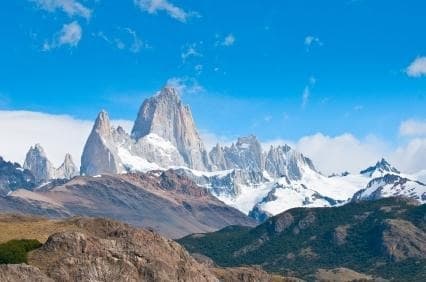
You step out of the wind like entering another country: the town of El Chaltén is a tidy line of low buildings backed by lenga forest and a horizon of needles and granite. Ahead, Fitz Roy waits—not politely, but like a promise you can’t ignore. Its serrated skyline cuts the southern sky with teeth; the glaciers and lakes below are the organs that make the mountain breathe. This is Patagonia in distilled form—raw, immediate, and honest about what it asks of you.
The classical approach is a walk into the heart of Los Glaciares National Park, where trails thread through wind-polished steppe and old-growth lenga. The most immediate prize is the Laguna de los Tres viewpoint: a jaw-dropping mirror of turquoise water where Fitz Roy rises straight from moraine—its north face casting shadow like a sculptor’s final stroke. The hike from El Chaltén to Laguna de los Tres is honest: roughly 20 km round trip with about 700–900 m of climbing depending on your chosen route. The trail alternates quiet forested switchbacks with exposed ridgelines where the wind will test your focus and your layers. When you reach the top, the mountain seems to lean toward you, an enormous and deliberate presence.
That dramatic granite has a history as stubborn as its rock. Named for Robert FitzRoy, the captain of the HMS Beagle, the peak resisted climbers until 1952 when Lionel Terray and Guido Magnone made the first confirmed ascent. It remains a climber’s Everest of technical routes and an emblem of Patagonia’s remote allure. Below the vertical faces, glaciers feed emerald lakes and the Río de las Vueltas threads the valleys—lending options beyond hiking for anyone who wants to experience Fitz Roy from water, from river rapids to quiet kayak lines.
El Chaltén markets itself honestly: “La Capital Nacional del Trekking.” From guided full-day treks that shuttle you from El Calafate to the trailhead, to private driver options that let you craft an eight-hour day in the park, the area is set up for walkers of all appetites. For a faster taste, day tours take you to Lago del Desierto and the Vespignani lookout where a short boat ride and brief hikes yield frontal views of glaciers and Fitz Roy’s serrated north face without the long slog.
If you want to change the cadence, the Río de las Vueltas drops you into a different conversation with the mountain. The river offers a gentle opening—five kilometers of calm that let you drink in the surrounding peaks—followed by roughly 10 kilometers of rapids that will rattle your perspective and wake up every sense. For a different waterborne view, guided kayak descents let you skim the river under cliffs and through native forest, finishing with a patagonian-style brunch that tastes better for the effort of getting there.
For the hands-on crowd there’s via ferrata in Cañadón—half climbing, half steep hike—where fixed cables and rungs skewer a route into scenic walls and end with a surprise zipline. For longer, tougher objectives, multi-day ascents like Cerro Madsen and Laguna Torre push endurance and technical skill, offering summit nights and high alpine vantage points where Fitz Roy looks smaller only because you’ve climbed higher.
Practical reality sits beside romance in Patagonia. Weather is a moving variable and the wind has a personality—capricious and insistent. Trails can be rocky, polished by glaciers and beaten by winter storms; the footing is often uneven and poorly forgiving of cheap footwear. Summer (December–February) gives the most stable weather and the longest days, but trails still see sudden storms and icy patches in high reaches. Local guides and outfitters in El Calafate and El Chaltén know the quirks—many operations include hotel pickup, boxed lunches or country brunches, and safety briefings for rapids and via ferrata. If you go independently, pack a map, download offline GPS, and leave your daily route with someone in town.
Timing is everything. Start hikes early to avoid afternoon winds, aim for clear mornings for best photos, and budget a full day for the classic Laguna de los Tres if you want to move without rush. For river options, bring a dry bag and be ready to get wet; operators supply wetsuits, helmets, and life vests and give thorough safety briefings—only sign up for rapids if you’re comfortable with cold water and a harder adrenaline curve.
Beyond the physical, Fitz Roy’s pull is cultural. El Chaltén sprung up in the 1980s as a village of mountaineers; its coffee shops, gear shops, and parrillas still hum with stories of first ascents, misread routes, and the complexity of making plans around weather. The local culture leans patagonian: lamb asado, strong tea (mate), and an easy camaraderie with guides who read the sky as closely as a seamstress reads fabric.
If you’re planning a visit: respect the park. Stay on marked trails, pack out what you pack in, and keep a respectful distance from wildlife. Rangers patrol the park and conservation efforts here aim to protect lenga forests and fragile moraine systems that don’t bounce back after heavy feet or careless campfires.
At day’s end, the sight of Fitz Roy—sunset alight on granite, clouds scouring its flanks—is the kind of memory that insists you return. It’s not a destination for complacency. It’s a place that asks you to earn the view, to match patience with preparation. And when you get that view, it lands like an answer: precise, elemental, unforgettable.
Trail wisdom
Small choices, better day.
Layer for wind, not just cold
Wind in the valleys can be brutal even on warm days—bring a lightweight windproof shell over insulating layers to stay comfortable on exposed ridgelines.
Start hikes at dawn
Morning hours are usually calmer and clearer—aim to be on the trail well before noon to avoid gusty afternoons and to secure better lighting for photos.
Book river activities with certified operators
Rafting and kayaking providers supply wetsuits, helmets, and safety briefings—confirm certifications and group sizes before you go.
Respect trail etiquette and wildlife
Stay on marked paths to protect fragile vegetation and keep distance from native fauna to avoid disturbing nesting or feeding animals.
Local knowledge
Read the place, not just the route.
Watch for native species including Andean condor, Guanaco.
Keep an eye out for wildlife during the transition between areas and habitats. Respect distance guidelines.
Los Glaciares National Park has strict trail protections to preserve fragile moraine and lenga forest; visitors are urged to stay on marked paths and carry out all waste.
Follow the guide's instructions on size limits, ethical handling, and leave-no-trace practices.
Vespignani lookout at Lago del Desierto for close glacier views by a short boat ride. Less-visited upper stretches of Río de las Vueltas for quiet kayaking away from main trails
Locally recommended viewpoints and quiet spots known best to local operators.
Mount Fitz Roy was named after Captain Robert FitzRoy of the HMS Beagle; the first confirmed ascent was in 1952 by Lionel Terray and Guido Magnone.
Maritime roots and regional tradition shape the waterways and working coasts.
Seasonal guide
Four versions of the same landscape.
Spring
Best forWildflower displays · Quieter trails · Shoulder-season deals
ChallengesUnstable weather · Late snow at high elevations · Variable river flows
Spring (Sept–Nov) brings thawing snow, wildflowers, and fewer crowds, but expect sudden weather shifts and lingering snow on higher trails.
Summer
Best forClassic hiking conditions · Long daylight hours · All water activities available
ChallengesCrowded popular trails · Strong afternoon winds · More expensive travel costs
Summer (Dec–Feb) is the optimal season for clear trails, full-service operators, and longer days—still plan for wind and occasional storms.
Fall
Best forCrisp air and clear light · Photography of color changes · Fewer tourists
ChallengesShorter daylight · Cooling temperatures · Some services reduce schedule
Fall (Mar–May) offers crisp skies and quieter paths—temperatures drop and daylight shortens, so plan shorter itineraries per day.
Winter
Best forSnow-covered landscapes · Alpine photography · Technical ascents for experienced climbers
ChallengesSevere cold and avalanche risk · Many trails inaccessible · Limited operator availability
Winter (Jun–Aug) is for experienced, well-equipped mountaineers—expect snow, limited services, and challenging conditions.
Pack with intention
What to bring.
Good to know
Common questions.
Most visitors travel by bus or private transfer along Route 40; the drive takes about 3–4 hours. Several day tours include hotel pickup from El Calafate.
Plan the edges
The details that make the day easier.
Cerro Fitz Roy’s first confirmed ascent was in 1952 by French climber Lionel Terray and Italian Guido Magnone; the peak had defeated many earlier attempts.
El Chaltén is a compact mountain village with a strong mountaineering culture—enjoy local lamb asado, mate in cafés, and craft beers brewed for wind-chilled afternoons.
- Base
- El Chaltén (3–4 hrs from El Calafate). Park: Los Glaciares National Park. Best access: day hikes from El Chaltén; guided river
Follow Leave No Trace: stay on established trails, avoid feeding wildlife, use established campsites if overnighting, and favor certified local operators to support responsible tourism.
Explore by topic
Follow the threads.
Keep exploring
Make the story part of the trip.
Set out from Bass Harbor for a private, customizable day on Blue Hill Bay — lighthouses, puffins, seals, and the chance to feel Acadia from the water. Small groups, local captains, unforgettable views.
In four hours you can move from shaded canyon ferns to wind-scoured coastal ridgelines, guided by someone who knows where the light—and the hidden views—live. This private half-day hike on the Monterey Peninsula or Big Sur is compact, curated, and perfect for travelers who want depth without a multiday commitment.
 Related story
Beneath a sky of shifting light, Skaftafell’s ice reads like a map of time. This three-hour guided glacier hike mixes technical instruction with geology and culture: compact, safe, and unforgettable.