
What the day feels like
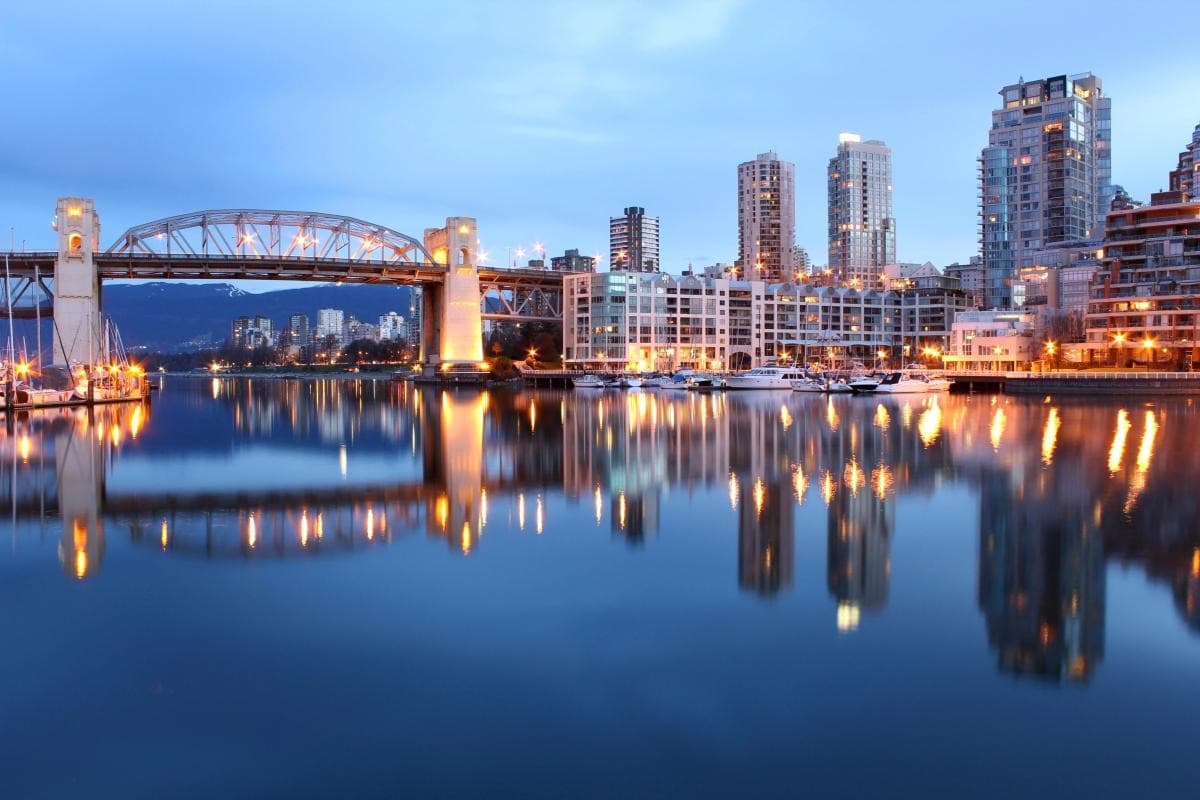
Late afternoon on False Creek feels like a secret people’s promenade. The low sun turns the geodesic dome of Science World into a burnished coin and the glass box towers of Yaletown wink back at the water. Kayaks skim past stand-up paddlers who tail the sheltered current, while a double-decker sightseeing catamaran unfurls a steady wake past Granville Island’s squat warehouses. Salt air here is soft—more Pacific inlet than open ocean—and it carries the smell of coffee from waterfront patios, the chatter of market vendors, and the low thrum of ferries. This is Vancouver’s living room, where the city’s story is read in tidal lines and dock pilings.
False Creek is only 3–4 kilometers long from mouth to head, a shallow, sheltered inlet carved by glaciers and reshaped by industry and imagination. Once an industrial artery lined with sawmills, rail yards and fish-packing plants, the Creek was the working heart of Vancouver in the early 20th century. The tide has turned: reclaimed shorelines now host bike paths, high-rises and public parks, and Granville Island—once a concrete-littered industrial spit—is a bustling cultural market and artisan enclave. In 1986, Expo 86 planted a seed that turned the waterfront into a proving ground for urban renewal; False Creek became the spine for new neighborhoods, and the adjacent lands were transformed into the parks and promenades Vancouverites use today.
Geologically, False Creek is an example of a tide-dominated inlet—its beds are mostly soft sediment, its shoreline a mix of seawall, reclaimed land and natural coves. The shelter of the North Shore mountains and the Burrard Inlet means the water here is often calm, which is why False Creek is Vancouver’s classroom for beginner sailors and urban paddlers. Yet when the wind funnels through English Bay, the water’s mood changes: afternoon gusts can raise chop and demand steady hands at the tiller.
Culture and community flow into every corner. False Creek threads Indigenous history into the modern city: the Musqueam, Squamish and Tsleil-Waututh peoples have long-standing connections to these waters and shorelines. Today the Creek’s shores host public art, artisan studios, craft breweries and community markets; Mount Pleasant’s street-art scene and Granville Island’s public market are immediate neighbors in spirit to the waterfront tours that launch from docks along the Creek. The area also teems with small businesses that lean on the water for livelihood—charter skippers, paddling schools, and market cafés—making your visit more than a scenic ride; it’s a chance to sample local life.
If you want to feel False Creek in motion, book a waterborne tour. The Vancouver Sightseeing Boat Cruise with Live Tour Guide maps a 20 km route that starts in False Creek and sweeps into the Burrard Inlet, passing Granville Island, English Bay, and the Lions Gate Bridge—perfect for an orientation of the city from the water. For wildlife, the Vancouver City and Seal Colony Scenic Boat Tour is a 90-minute option that stitches lighthouse coves, Stanley Park and the seal haulouts into a single narrative. If you want a private, sailing-first perspective, the Sailing Charter around Vancouver Harbour Private Tour offers a quiet, hands-on way to feel the harbor’s breath and retire to the cockpit with a view of the city skyline.
Practicalities matter: False Creek tours are short and concentrated—expect 60 to 120 minutes for most sightseeing options, longer for private charters or dinner excursions like the Bowen Island Dinner and Zodiac Boat Tour. Launch points cluster at Granville Island, False Creek’s marina, and around the downtown waterfront; the Aquabus and False Creek Ferries also provide nimble cross-creek hops if you want to craft a self-guided day.
On the water, timing and gear change everything. Mornings are glassy and often fog-softened; afternoons bring crowds, sun and chop. Dress in layers—Vancouver’s weather can flip in a single ferry ride—and pack a windproof shell. If you’re prone to sea-sickness, opt for larger vessels or seats mid-ship, and select morning departures when the water is calmest.
Beyond the boats there are ways to curate an entire False Creek day: begin with a brisk seawall ride from Kitsilano to Granville Island, drop into the Public Market for smoked salmon and crafts, then board a 90-minute seal-and-coast tour to see Stanley Park and the Lions Gate Bridge from the sea. Finish with a private sailing charter at golden hour, or join a dinner zodiac that takes the bay’s light and folds it into your meal.
False Creek is approachable—the water invites exploration, not endurance. Whether you’re a kayaker navigating the quieter coves, a photographer angling for the Science World dome against sunset, or a visitor on a narrated catamaran, the experience combines civic vibrancy with natural ease. It’s the kind of urban-water adventure that rewards simple preparation: layers, a charged camera, and curiosity. Come for the skyline; stay for the currents that keep this city balanced between land and sea.
Trail wisdom
Small choices, better day.
Choose the right vessel
For wildlife viewing and comfort, book a larger sightseeing catamaran or a private sailing charter; for intimate access to coves and docks, take a zodiac or Aquabus.
Layer for fickle weather
Bring a lightweight waterproof shell and an insulating mid-layer—temperatures shift quickly on the water even in summer.
Protect your gear
Use a waterproof case for phones and a camera rain cover—spray and light rain are common near the inlet.
Mind the tides and wind
Morning tours usually offer calmer water; if you’re booking a flexible charter, aim for early departures when possible.
Local knowledge
Read the place, not just the route.
Watch for native species including Harbour seals, Harbour porpoise and occasional bald eagles.
Keep an eye out for wildlife during the transition between areas and habitats. Respect distance guidelines.
Water quality has improved dramatically since mid-century; local groups monitor marine health and operators follow guidelines to avoid disturbing wildlife—do not feed seals or birds.
Follow the guide's instructions on size limits, ethical handling, and leave-no-trace practices.
Early-morning Granville Island Public Market rooftop for quiet views and fresh seafood. Hinge Park and the Olympic Village shoreline—less crowded cobbled paths and public art installations
Locally recommended viewpoints and quiet spots known best to local operators.
False Creek’s shoreline was industrial through the 20th century; following Expo 86, large-scale redevelopment turned it into the mixed-use waterfront you see today.
Maritime roots and regional tradition shape the waterways and working coasts.
Seasonal guide
Four versions of the same landscape.
Spring
Best forCalmer waters · Migrating birds and seals · Fewer crowds
ChallengesUnpredictable showers · Cooler temperatures · Variable winds
Spring brings quiet mornings and active wildlife—pack layers and a rain shell and expect occasional gusts.
Summer
Best forWarm weather cruises · Golden hour sailing · Outdoor markets on Granville Island
ChallengesHigher visitor numbers · Afternoon wind chop · Limited last-minute bookings
Summer is peak season for False Creek—book popular boat tours in advance and favor morning slots for calm water.
Fall
Best forCrisp light for photography · Fewer tourists · Good for seal and bird watching
ChallengesCooling temperatures · Shorter daylight hours · Potential for wind and rain
Fall offers clear air and fewer crowds; layer up and choose sheltered docks on blustery days.
Winter
Best forStorm-watching from the shore · Quiet marina walks · Low-season charter deals
ChallengesCold rain and wind · Rougher water · Reduced service schedules
Winter is best for shore-based viewing and off-season charter discounts—pack waterproof gear and temper expectations for sea conditions.
Pack with intention
What to bring.
Good to know
Common questions.
Most public sightseeing and seal tours run 60–120 minutes; private charters can be booked by the hour or for half- to full-day trips.
Plan the edges
The details that make the day easier.
False Creek was the site of Expo 86, an international exposition that catalyzed the area’s transformation from industrial waterfront to public and cultural spaces like Granville Island and the surrounding neighborhoods.
Granville Island Public Market anchors the Creek’s food scene—smoked salmon, oyster bars and artisan bakeries pair naturally with local craft beer from nearby Mount Pleasant breweries. Indigenous art and totems are also visible along the seawall and in public collections, reflecting the region’s First Nations heritage.
- Departure points
- Granville Island, Science World docks. Typical tour length: 60–120 minutes. Bookings: reserve online for peak season. Accessibility: varies—check with operators. Best time: morning for calm water, late afternoon for light.
Support operators using low-emission vessels, avoid single-use plastics, respect wildlife by keeping distance from seals, and shop at local markets to support the Creek’s community economy.
Explore by topic
Follow the threads.
Keep exploring
Make the story part of the trip.
Set out from Bass Harbor for a private, customizable day on Blue Hill Bay — lighthouses, puffins, seals, and the chance to feel Acadia from the water. Small groups, local captains, unforgettable views.
In four hours you can move from shaded canyon ferns to wind-scoured coastal ridgelines, guided by someone who knows where the light—and the hidden views—live. This private half-day hike on the Monterey Peninsula or Big Sur is compact, curated, and perfect for travelers who want depth without a multiday commitment.
 Related story
Beneath a sky of shifting light, Skaftafell’s ice reads like a map of time. This three-hour guided glacier hike mixes technical instruction with geology and culture: compact, safe, and unforgettable.