
What the day feels like
The day starts in the thin light before sunrise, when the Urubamba River is a silver seam and the clouds hang low like unfinished thoughts. From the wooden bridge at the foot of the valley you can already see it across the water: Mt. Putucusi, rising abruptly—an emerald spine of cloud forest that stares back at Machu Picchu. The two peaks exchange glances across the river; one is the iconic ruin, patient and carved by stone and history, the other is a green, vertical promise that dares you to climb.
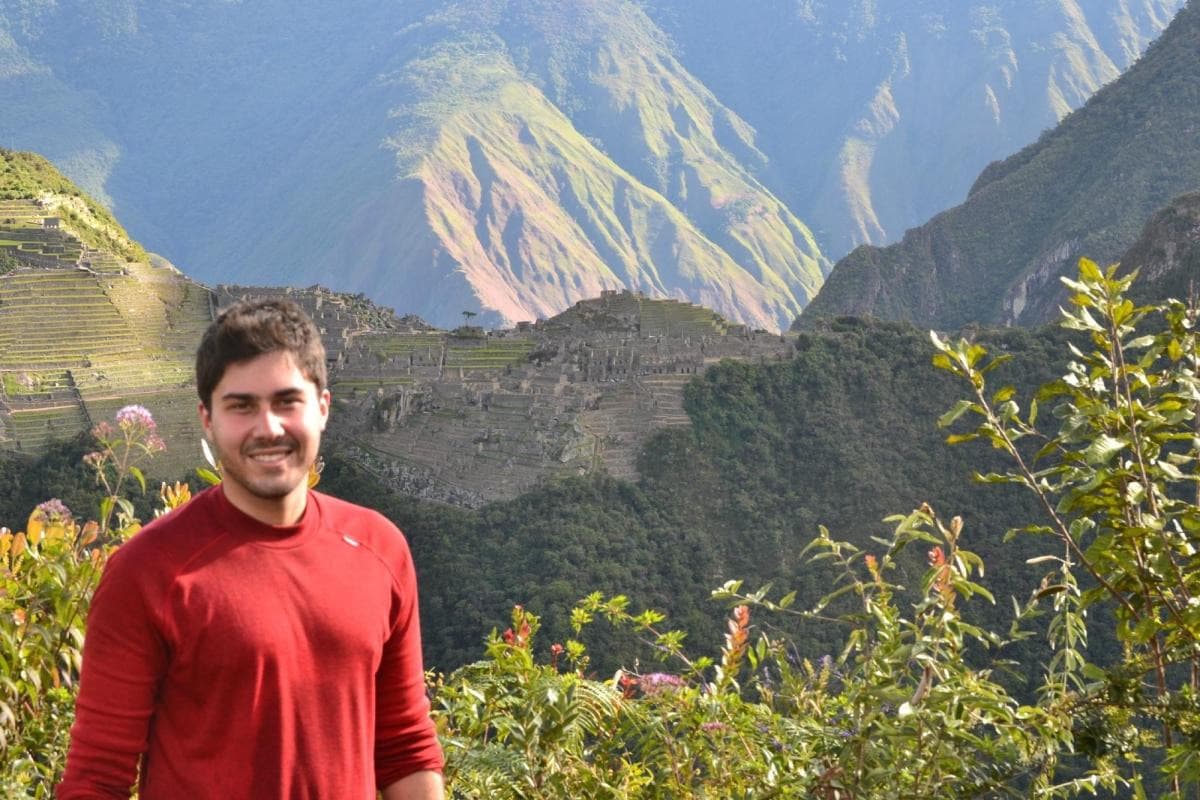
Putucusi is shorthand for a different kind of pilgrimage. The trail is short but uncompromising—steep switchbacks, carved steps, and the final, famous ladders that ascend a near-vertical face. It’s the kind of hike that condenses effort into a few intense, breath-stealing minutes, then opens you onto a view that turns that effort into perspective. From the summit, Machu Picchu lies below like a collapsed map of terraces and temples, the Urubamba looping protective and obstinate. Clouds drift and sometimes swallow the site whole; when they part, the ruins look less like a destination and more like a secret briefly granted.
Geology and history are close companions here. Putucusi is part of the eastern flanks of the Andes where hard volcanic and metamorphic rocks fold into steep ridges. The same geological push that birthed these heights created the narrow, dramatic river gorge that the Incas turned into a transport and ritual corridor. Archaeological traces on Putucusi are subtler than at Machu Picchu—stone stairways and terraces tucked into the slope—but they speak to a landscape that the Incas and their predecessors moved through and managed, not just occupied.
Culture in this valley is tactile. Local families in nearby Aguas Calientes and the communities along the train line still speak Quechua and Spanish, and they run the lodges, eateries, and guiding services that shape most visitors’ experiences. Many of the ladders on Putucusi were installed or maintained by local groups to safely route hikers; taking a local guide helps both navigation and the local economy. If you’ve booked a 2-day train tour to Machu Picchu from Cusco, slot a morning on Putucusi either before or after your Machu Picchu visit—early light on the ruins, then the climb for a different angle.
The hike itself is short in distance and long in character. Expect roughly 1.5 kilometers (about a mile) of ascent with an elevation gain in the neighborhood of 300–450 meters (about 1,000–1,500 feet)—enough to keep your lungs honest at these altitudes. The trail alternates carved stone steps, packed earth, and wooden ladders bolted to sheer rock. The final ladder section is exposed but secured; a steady pace, sensible footwear, and a common-sense respect for the route go a long way. On the way up, the forest is tactile: moss hangs in curtains from the branches, orchids hide on trunks, and the air smells of wet earth. Rivers and gullies below have a way of sounding like distant, impatient conversations.
Practical reality matters as much as inspiration here. Start early to avoid the midday cloudbanks and the crowds that come with train arrivals. Hydrate at lower elevation—altitude and effort conspire—and bring a light rain shell; cloud forest weather flips moods quickly. A local guide is wise: the trail is straightforward when marked, but conditions change and a guide amplifies the cultural and natural story of the slope.
Combine your climb with the classic Machu Picchu itinerary: take the scenic train from Cusco along the Urubamba River into the cloud forest, overnight in Aguas Calientes, and plan your summit of Putucusi for the morning you aren’t visiting the ruins or late-afternoon when many day-trippers return to the train station. The two-day Machu Picchu tour available from Cusco is a practical backbone for this—sleep close, be on the site at dawn, then swap stone temples for jungle ladders and a private skyline.
Safety and respect matter. The ladders are exhilarating and require steady hands and a calm head. Slow down for descent—most slips happen coming down—and give way to climbers on narrow sections. The mountain is a living thing here: its slopes house hummingbirds, orchids, and occasionally spectacled bears in the deeper forest. Leave no trace; the ecosystems are fragile and recovery is slow.
Why do this? Because it reframes the Machu Picchu trip. From Cusco’s colonial plazas to the train’s high-Andean river corridor and finally to Putucusi’s ladders, you experience the region in layers—human, geological, botanical. The sweep from summit to valley is an argument for perspective: hard work yields a view and, more quietly, a sense of place that isn’t offered from the bus window.
For planners: aim for the dry months (May–September) but remember the shoulders—April and October—can be golden with fewer people and reasonable weather. Carry water, snacks, and a compact first-aid kit. Good trail shoes and a camera with a secure strap are mandatory; the view will demand a photograph, but your hands need to remain on the ladder. If you’re sensitive to altitude, allow a day in Cusco or the Sacred Valley to acclimatize before throwing yourself up a steep incline.
Putucusi is not a longer technical climb—there’s no need for ropes or specialized climbing gear—but it rewards respect and preparation. It is, in short, a sharp morning that compacts adventure into a few unforgettable hours. It’s a hike for people who want to see Machu Picchu not only as a place to visit, but as a landscape to understand. The ladder ascent gives you a vantage both literal and metaphorical: step by careful step you climb away from the crowd and toward a wider, quieter view—and when the clouds pull back and the terraces appear below, the valley returns the favor in full.
Trail wisdom
Small choices, better day.
Start before first light
Begin early to avoid clouds and crowds; morning light offers the clearest views of Machu Picchu from the summit.
Hire a local guide
Guides improve safety on exposed ladder sections and add cultural and natural history you’d otherwise miss.
Prioritize descent care
Descend slowly—most injuries occur on the way down; use three points of contact on ladders and watch wet steps.
Pack light, pack smart
Bring water, a rain shell, and secure pockets for your phone/camera to keep hands free on ladders.
Local knowledge
Read the place, not just the route.
Watch for native species including Andean cock-of-the-rock (bright orange bird), Various hummingbird species.
Keep an eye out for wildlife during the transition between areas and habitats. Respect distance guidelines.
The cloud forest is fragile; stick to marked trails, avoid single-use plastics, and hire local guides who support community-led maintenance and conservation efforts.
Follow the guide's instructions on size limits, ethical handling, and leave-no-trace practices.
The small viewpoint on the eastern switchbacks that looks down the Urubamba—less crowded and excellent for birdwatching. A short side trail to a mossy cave lower on the slope (ask a local guide)—a quiet spot for solitude and listening to dripping water
Locally recommended viewpoints and quiet spots known best to local operators.
Putucusi sits opposite Machu Picchu across the Urubamba River and contains Inca-era terraces and stairways—evidence that the Incas managed and moved through these ridges as part of a larger sacred landscape.
Maritime roots and regional tradition shape the waterways and working coasts.
Seasonal guide
Four versions of the same landscape.
Spring
Best forfewer crowds · wildflowers · cool mornings
Challengesintermittent rain · muddy steps
Spring (September–November in the region) often brings wildflowers and fewer visitors but can have quick afternoon showers—bring a shell.
Summer
Best forlush forest · birdwatching · dramatic clouds
Challengesheavy rains · slippery ladders
Summer (Dec–Feb) is the wet season—forest is at its greenest but trails can be slick and ladders more hazardous after storms.
Fall
Best forstable weather · clear views · shoulder-season calm
Challengesvariable temperature · possible light showers
Fall (March–May) includes the start of the dry season: clearer skies and pleasant temperatures—ideal for combining with Machu Picchu visits.
Winter
Best forclear vistas · dry trails · photography
Challengessun exposure · cool nights
Winter (June–August) is the dry season—expect the best visibility and firmer underfoot conditions, though mornings can be chilly.
Pack with intention
What to bring.
Good to know
Common questions.
Plan 2–4 hours round-trip depending on pace, photography stops, and time spent at the summit.
Plan the edges
The details that make the day easier.
Mt. Putucusi sits directly across the Urubamba River from Machu Picchu and is one of the few vantage points that offers a direct, panoramic view of the citadel from above the valley—many hikers combine it with their Machu Picchu itinerary.
Aguas Calientes is a small, lively town where Quechua traditions blend with tourism—try local trout dishes, sip coca tea for altitude, and buy artisanal textiles from community cooperatives.
- Duration
- 2–4 hrs | Difficulty: Challenging (steep ladders) | Nearest town: Aguas Calientes | Best season: May–Sept | Guides: recommended | Bring: water, rain shell, good shoes.
Choose licensed local guides, carry reusable water containers, and follow leave-no-trace principles—these steps directly support conservation and community livelihoods in the cloud forest.
Explore by topic
Follow the threads.
Keep exploring
Make the story part of the trip.
Set out from Bass Harbor for a private, customizable day on Blue Hill Bay — lighthouses, puffins, seals, and the chance to feel Acadia from the water. Small groups, local captains, unforgettable views.
In four hours you can move from shaded canyon ferns to wind-scoured coastal ridgelines, guided by someone who knows where the light—and the hidden views—live. This private half-day hike on the Monterey Peninsula or Big Sur is compact, curated, and perfect for travelers who want depth without a multiday commitment.
 Related story
Beneath a sky of shifting light, Skaftafell’s ice reads like a map of time. This three-hour guided glacier hike mixes technical instruction with geology and culture: compact, safe, and unforgettable.