
What the day feels like
You arrive at dawn beneath the stacking pillars of Meteora and the world feels engineered for motion. Morning mist curls around sandstone columns as if the cliffs themselves are exhaling; a distant bell from a centuries-old monastery taps the valley awake. On this itinerary, the landscape never stops challenging you—rock faces invite you, rivers dare you, and pine-scented passes reward every step. Over eight packed days across Epirus, Greece, the Dream Adventure Tour stitches together the region’s most dramatic elements: the sky-high solitude of Meteora, the ice-clear currents of the Aoos and Voidomatis, the knife-edged drop of Vikos Gorge, and the raucous playgrounds of Tzoumerka’s canyons.
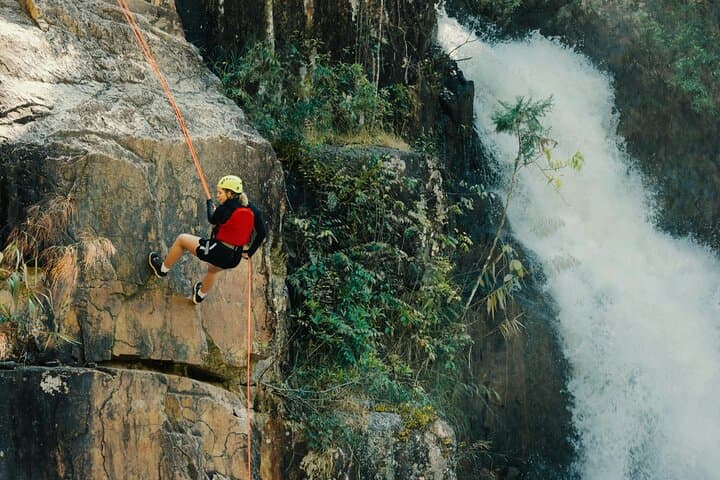
The trip begins in places that feel made of two forces: geology and devotion. Meteora’s monasteries perch like crowned sentinels on eroded sandstone towers formed by millions of years of tectonic uplift and riverine abrasion. Monks and nuns moved here in the 11th century seeking isolation; their stone courtyards and Byzantine frescoes still hold centuries of prayer and craftsmanship. From those sanctuaries you’ll rappel Doupiani Rock, a controlled descent that puts the vertical history of the place into immediate, breath-stealing perspective.
Beyond the monasteries, Epirus folds into alpine forests and karst plateaus. Valia Calda National Park—an old-growth pocket where silver firs and beech trees make their stand—feels like an untouched backlot of wilderness. Aoos Springs and the Voidomatis River are the region’s water atlas: crystal-fed streams that turn into glassy kayaking runs and Class II–III rafting in spring snowmelt. The rivers are not passive; they sculpt and push, sometimes coaxing you along, sometimes insisting you pay attention.
Vikos Gorge, part of Vikos–Aoös National Park, is among the world’s deepest canyons relative to its width, a raw cut through limestone that reveals a different kind of Epirus—stripped-down, geological, and intimate. The trail through Vikos asks you to move deliberately: switchbacks give way to exposed ledges, and every viewpoint rewrites your sense of scale. In Monodendri, the Stone Forest’s sculpted pinnacles add another geological chapter—wind and water have carved a frozen city of rock.
Konitsa and Tzoumerka present a wilder, active side. In Konitsa, the Aoos widens and slows—ideal for floating afternoons—or cranks into adrenaline on a via ferrata that crosses iron rungs and wire safety lines bolted into rock. Tzoumerka’s Papapidima Gorge is pure canyoning: slide, jump where permitted, scramble through sluiced limestone. The Arachthos River, beneath the historic Plaka Bridge, rounds out the trip with rafting that feels like an epilogue—fast, wet, and irrepressibly Greek.
Cultural threads run beneath the adventure. Metsovo, a mountain town with Ottoman and Vlach influences, is a place to slow down and eat well: local cheeses (kasseri), smoked meats, and dense bread feel earned after a day on the trail. Ioannina, the regional hub, stitches together Byzantine islands, Ottoman-era bazaars, and lakeside cafés where you can trade stories with guides who grew up on these rivers and ridgelines.
Practical matter: this is a multi-activity, multi-terrain trip requiring a range of movement and an appetite for long days. Expect hiking with elevation gains that vary from moderate ridge walks to steep descents into gorges, technical sections for via ferrata and rappelling, and wet, cold conditions during river work. Guides handle technical rope systems and safety briefings; your role is to arrive with reasonable fitness and a willingness to learn.
When to go: late spring and early summer (May–June) offer full rivers and blooming high meadows; July–August bring warmer weather but lower water for some river sections; early fall keeps mild days with fewer crowds. Nights at mountain boutique hotels are part of the design—no heavy tents, but sturdy basecamps and local tavernas where the day’s stories are best retold over red wine.
For practical packing: lightweight approach shoes for scrambling, a sturdier pair for longer hikes, a thin waterproof layer that breathes, and a quick-dry base layer for river days. Hydration matters—many trail sections have limited water access—and sun protection is non-negotiable on exposed ridgelines.
Why travel here? Epirus gives you contrast: contemplative monasteries and kinetic cliff descents, alpine quiet and river clamor, deep history and active present. The Dream Adventure Tour strings those contrasts into a single, physical story—each day a different chapter—so when you return home you won’t just have photos, you’ll have a sequence of experiences that feels like a compressed education in what the Greek interior was always meant to be: rugged, generous, and unapologetically alive.
Trail wisdom
Small choices, better day.
Start early at Meteora
Beat crowds and take advantage of cooler morning temperatures for rappelling and monastery visits.
Bring a dry bag for river days
Kayaking, rafting, and canyoning mean electronics and layers need waterproof protection.
Use approach shoes for mixed terrain
They grip rock, dry quickly, and work for short scrambles and via ferrata approaches.
Respect river guides’ instructions
Swift currents and canyon drops are managed by professionals—follow briefing and safety gear protocols.
Local knowledge
Read the place, not just the route.
Watch for native species including Brown bear (rare, in Valia Calda), Golden eagle and griffon vulture.
Keep an eye out for wildlife during the transition between areas and habitats. Respect distance guidelines.
Vikos–Aoös and Valia Calda are protected areas; stick to marked trails, avoid disturbing flora and fauna, and follow guide instructions to minimize impact.
Follow the guide's instructions on size limits, ethical handling, and leave-no-trace practices.
Monodendri’s Stone Forest for quiet geological walks away from main viewpoints. A short detour to Metsovo’s local cheese cooperatives for tasting and cultural insight
Locally recommended viewpoints and quiet spots known best to local operators.
Meteora’s monasteries date back to the 11th–14th centuries, built by monks seeking isolation on sandstone pillars formed over millions of years.
Maritime roots and regional tradition shape the waterways and working coasts.
Seasonal guide
Four versions of the same landscape.
Spring
Best forFull rivers and waterfalls · Wildflower meadows · Cool hiking temperatures
ChallengesHigher water flows make some sections technical · Cold river water
Spring brings peak water and green, scented forests—excellent for rafting and dramatic canyoning but expect colder swims and more technical river work.
Summer
Best forStable weather · Long daylight for multi-activity days · Warm paddling
ChallengesLower summer flows can limit some raftable sections · Heat on exposed ridgelines
Summer is ideal for long days and comfortable paddling, though some river runs reduce in intensity and sun protection becomes critical.
Fall
Best forFewer crowds · Crisp hiking weather · Colorful alpine foliage
ChallengesShorter daylight hours · Cooler water temps
Fall offers clean air and quieter trails—excellent for hiking and cultural exploration, while river activities may be cooler and require thicker exposure protection.
Winter
Best forSnow-dusted scenery · Off-season solitude
ChallengesMany river and canyon activities are closed · Cold, potentially snowy high passes
Winter is quiet and scenic but limits active river-based options; expect some routes to be inaccessible and rely on local operators for safety guidance.
Operator details
What the booking data adds.
Included
- ✓Guided Tour at two Meteora Monasteries
- ✓Private Transportation, english speaking driver, Wifi on board
- ✓Vikos Gorge guided crossing
- ✓Rafting in Voidomatis River
- ✓7 nights accommodation in Boutique Hotels
- ✓Rafting in Arachthos River
- ✓Rappel session in Meteora
- ✓Kayaking at Aoos Springs
- ✓Breakfast
- ✓All fees & Taxes
- ✓Canyoning in Papapidima Gorge
Not included
- —Optional Activities: Via Ferrata / Horse-riding / Archery
- —Hotel City Tax
- —Meals & Personal Expenses
- —Gratuities
Good to know
- ✓Specialized infant seats are available
- ✓Travelers should have at least a moderate level of physical fitness
Pack with intention
What to bring.
Good to know
Common questions.
No advanced experience is required; the trip includes guided instruction and safety briefings, though basic fitness and comfort with exposure help.
Plan the edges
The details that make the day easier.
Vikos Gorge, within Vikos–Aoös National Park, has been recorded by some measures as one of the deepest gorges in the world relative to its width—a geological landmark of Epirus.
After a day on the trail, head to Metsovo for kasseri cheese and grilled meats at a family-run taverna; in Ioannina, sip tsipouro beside Lake Pamvotis and browse the old bazaar for handwoven wool goods.
- Closest airport
- Ioannina National Airport (IOA); Driving distance: Ioannina to Metsovo ~1 hour (approx. 50 km); Cell service: intermittent in gorges and some high passes; Permits: no general permits, but guided technical activities require operator oversight; Booking: instant confirmation; Tour type: private, multi-day.
This itinerary passes through protected parks—practice Leave No Trace, avoid single-use plastics, and support local businesses to ensure tourism benefits the region.
Explore by topic
Follow the threads.
Keep exploring
Make the story part of the trip.
Set out from Bass Harbor for a private, customizable day on Blue Hill Bay — lighthouses, puffins, seals, and the chance to feel Acadia from the water. Small groups, local captains, unforgettable views.
In four hours you can move from shaded canyon ferns to wind-scoured coastal ridgelines, guided by someone who knows where the light—and the hidden views—live. This private half-day hike on the Monterey Peninsula or Big Sur is compact, curated, and perfect for travelers who want depth without a multiday commitment.
 Related story
Beneath a sky of shifting light, Skaftafell’s ice reads like a map of time. This three-hour guided glacier hike mixes technical instruction with geology and culture: compact, safe, and unforgettable.