
What the day feels like
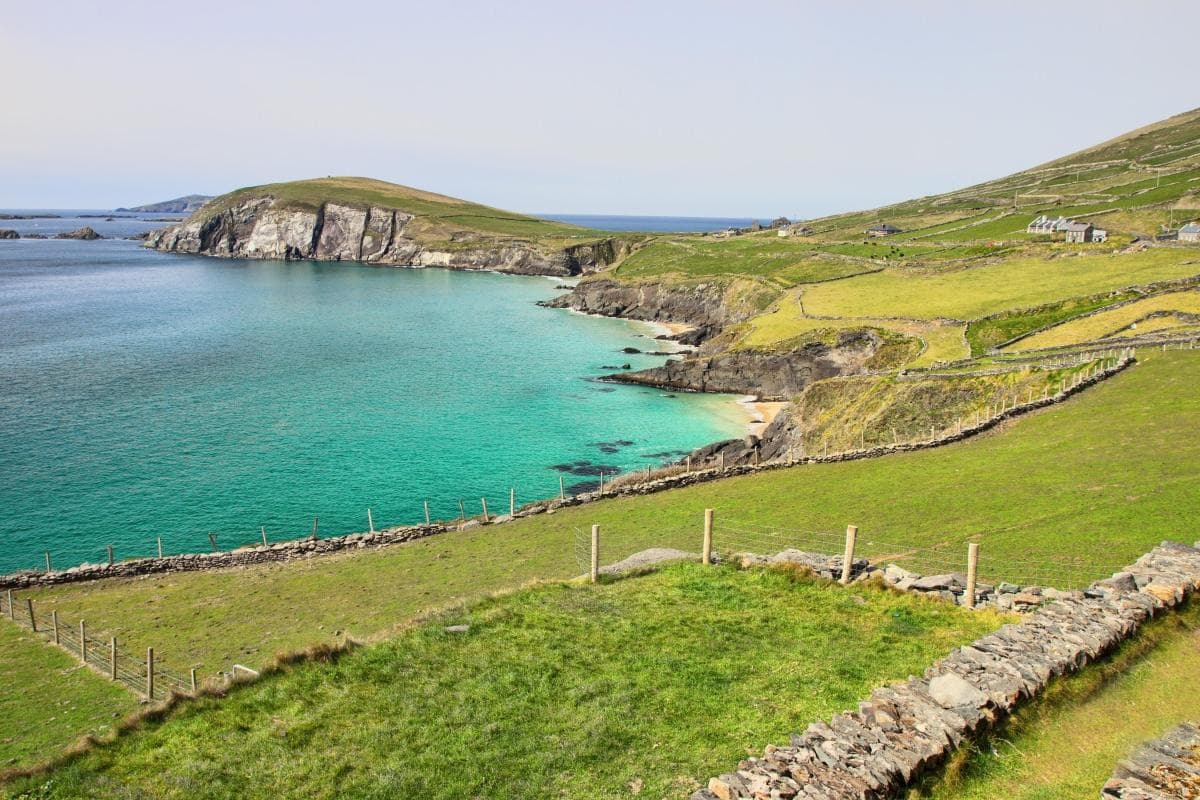
The morning the islands first appear they look like a story half-remembered — dark silhouettes off the Dingle Peninsula, wind-sculpted, low to the water but somehow monumental. You leave Dingle harbor with a thrum of diesel, the coast sliding away as the Atlantic opens up. The boat lifts and falls in a steady rhythm; salt spray tastes of iron and far-off kelp. As you round Slea Head the Blasket archipelago resolves: a scatter of grassy crowns and jagged cliffs, the Great Blasket anchoring the group like an old storyteller watching the sea.
The Blaskets are a place the sea writes on. They sit at the far edge of Europe where the Atlantic’s moods are felt first and most honestly — weather is a character here, throwing fog and sun in rapid acts. For centuries small Gaelic-speaking communities eked out lives on these islands, hunting, fishing, tending sheep and telling stories. That oral tradition found its most famous form in the memoirs and tales collected in the early 20th century by islanders such as Tomás Ó Criomhthain and Peig Sayers. Their books brought the world the blunt humor and austere grace of island life and turned the Blaskets into a touchstone for Irish cultural memory.
Geologically the islands are the work of Atlantic forces: steep, weathered cliffs give way to wind-blasted peat and hardy grasses that burn gold under summer sun. The coastline is raw — potholes, stacks and caverns carved by persistent swell. The human traces left on Great Blasket are small but telling: stone cottages, field walls, and the ruin of a schoolhouse, all leaning into the wind as if still listening for the voices of the people who once lived here. That village, abandoned in 1953 when the last residents were evacuated, feels simultaneously mournful and resilient — a place that preserves both absence and memory.
Most visitors experience the Blaskets by sea. The popular Dingle Bay Eco Tours and similar operators run four-hour wildlife cruises and combined experiences that pair a marine safari with a landing on Great Blasket — typically a short sea journey followed by about three hours ashore. On the water you chase movement and sound: dolphins surf the bow, gannets dive like arrows, and if luck (and season) cooperate, you may glimpse minke whales or basking sharks. Offshore stacks are home to puffins in summer and grey seals haul out on hidden ledges year-round. The boats are run by skippers who are part marine guide, part cultural ambassador; they point out seabird colonies, read the coastline for whale blows, and narrate the island’s stories with the laconic Irish cadence that makes history feel immediate.
Stepping onto Great Blasket is an exercise in contrast. The boat ride sharpens your senses; on land you hear different rhythms — wind in the grass, the metallic clack of seabirds, the creak of an old gatepost. Navigation here is straightforward but honest: stone paths, uneven ground, and open exposure. Walkers can explore the ruins, follow a ridge for sweeping views back toward Dingle, or clamp onto the coastline where tidal pools and nesting birds offer small rewards. The experience is as much about presence as it is about itinerary — listening to the island inhale and exhale.
Practicalities matter. The combined tour that includes a three-hour island stay is an efficient way to sample both wildlife and the cultural landscape: plan for a full day, with roughly one hour each way at sea plus three hours ashore and additional time for cruising. Weather is the arbiter of plans; calm mornings are your best bet for a landing and for reliable wildlife sightings. Puffins and many seabirds are concentrated in late spring through mid-summer; basking sharks and some larger whale species appear more often in summer months. Operators emphasize safety and comfort: boats with flying bridges for viewing, onboard naturalist guides, and basic facilities for passengers.
If you come for wildlife bring patience and a long lens. Dolphins often announce themselves with exuberant runs, but whale and shark sightings are less predictable and depend on food, season, and sea conditions. On land, treat the ruins and the machair — the island’s fragile grassland — with care. Stick to paths where they exist and avoid disturbing nesting birds. The island is small and its ecosystems easily strained; respectful behavior preserves the experience for others and the island’s wildlife.
Timing and gear are simple to get right. Layers, waterproofs and sturdy footwear make wind and sudden showers manageable. Take seasickness prevention seriously if you’re prone; a calm day can still have a rollicking return leg. Bring snacks, water, and a charged camera; cellphone reception is intermittent at best. If you want to linger in the cultural side of the visit, combine your island day with a Dingle evening listening to trad music and sampling seafood — the peninsula’s small pubs excel at both.
For travelers the Blasket Islands are a compact course in Wild Atlantic character: raw sea, intimate history, and concentrated wildlife. The most enduring impression is not one view but a set of tensions — between exposure and shelter, between abandonment and remembrance, between the sea’s indifference and the islanders’ stubborn affection. It’s a place to slow down, to let the sea’s steady insistence rearrange perspective. Come willing to be weathered a little, and you’ll leave with new stories to tell.
Recommended ways to book this visit match how you want to experience the Blaskets. Wildlife cruises from Dingle that last about four hours deliver offshore viewing and birdlife narration; combined trips add a three-hour landing on Great Blasket and are the best choice if you want to walk the ruins and feel the island’s shape under your feet. Private RIB safaris give speed and flexibility for families or photographers after specific targets. Whatever you choose, book with operators that run from Dingle, check the landing options in advance, and give yourself a weather window — mornings in summer are reliably gentler and maximize your chance of both a landing and marine sightings.
The Blasket Islands reward modest ambitions and careful preparation. They are not a destination for crowds, nor a place to rush. Plan a day that leans toward observation: binoculars, a keen ear for stories, and patience for the sea’s timing. In return you get the rare sensation of standing on the fringe of a wild ocean and listening to a landscape that has learned to speak in salt and stone.
Trail wisdom
Small choices, better day.
Layer for wind and spray
Bring breathable layers and a waterproof shell—the weather can flip from calm sun to driving spray within an hour.
Bring seasickness prevention
If you’re sensitive, take medication or use pressure bands before boarding—the crossing and return can be choppy even on otherwise calm days.
Respect nesting birds and ruins
Keep to paths where possible, avoid disturbing seabirds and don’t enter gated or fragile ruin sites.
Time your trip for morning calm
Morning departures often have steadier seas and better chances for both landings and wildlife sightings.
Local knowledge
Read the place, not just the route.
Watch for native species including Common dolphin, Grey seal.
Keep an eye out for wildlife during the transition between areas and habitats. Respect distance guidelines.
The Blaskets host sensitive seabird colonies and fragile machair habitats—stay on established paths and follow operator guidance to minimize impact.
Follow the guide's instructions on size limits, ethical handling, and leave-no-trace practices.
Ruined village on Great Blasket—quiet, evocative walking and storytelling spot. Dunquin viewpoint and the Fisherman’s Cottage near Slea Head for dramatic coastal panoramas
Locally recommended viewpoints and quiet spots known best to local operators.
The islands were inhabited by an Irish-speaking community until a state-led evacuation in 1953; their literature preserved a unique oral culture.
Maritime roots and regional tradition shape the waterways and working coasts.
Seasonal guide
Four versions of the same landscape.
Spring
Best forPuffin arrivals · Milder seas for crossings · Wildflower machair
ChallengesUnpredictable rain · Cool temperatures
Spring brings nesting seabirds and early wildflowers; weather still swings quickly so pack warm layers and waterproofs.
Summer
Best forBasking shark and whale sightings · Calmer seas for landings · Long daylight hours
ChallengesMore visitors on peak days · Sun and wind exposure
Summer is peak season for wildlife and reliable landings—book ahead and aim for early departures to beat the crowds.
Fall
Best forDramatic storms and photography · Fewer visitors · Seal sightings
ChallengesRougher seas, fewer landings · Shorter daylight
Autumn sharpens the landscape with powerful weather—great for photographers but expect more cancellations due to swell.
Winter
Best forStorm-watching from the boat · Solitude and low visitor numbers
ChallengesFrequent cancellations · Very cold, wet conditions
Winter is moodier and less predictable—boat trips still run but landings are rarely possible; dress for serious exposure.
Pack with intention
What to bring.
Good to know
Common questions.
Landings depend on sea conditions and tides; combined tours advertise landings but operators will cancel or alter plans for safety—book a flexible schedule.
Plan the edges
The details that make the day easier.
Great Blasket Island’s community was evacuated in 1953; writings by islanders like Peig Sayers and Tomás Ó Criomhthain are key texts in Irish literature and cultural history.
Dingle’s pubs and music scene pair perfectly with a Blasket day: fresh seafood, Gaelic song, and storytelling make for an authentic post-trip evening.
Support local operators, avoid disturbing nesting birds, carry out all waste and minimize single-use plastics to protect fragile island ecosystems.
Explore by topic
Follow the threads.
Keep exploring
Make the story part of the trip.
Set out from Bass Harbor for a private, customizable day on Blue Hill Bay — lighthouses, puffins, seals, and the chance to feel Acadia from the water. Small groups, local captains, unforgettable views.
In four hours you can move from shaded canyon ferns to wind-scoured coastal ridgelines, guided by someone who knows where the light—and the hidden views—live. This private half-day hike on the Monterey Peninsula or Big Sur is compact, curated, and perfect for travelers who want depth without a multiday commitment.
 Related story
Beneath a sky of shifting light, Skaftafell’s ice reads like a map of time. This three-hour guided glacier hike mixes technical instruction with geology and culture: compact, safe, and unforgettable.