
What the day feels like
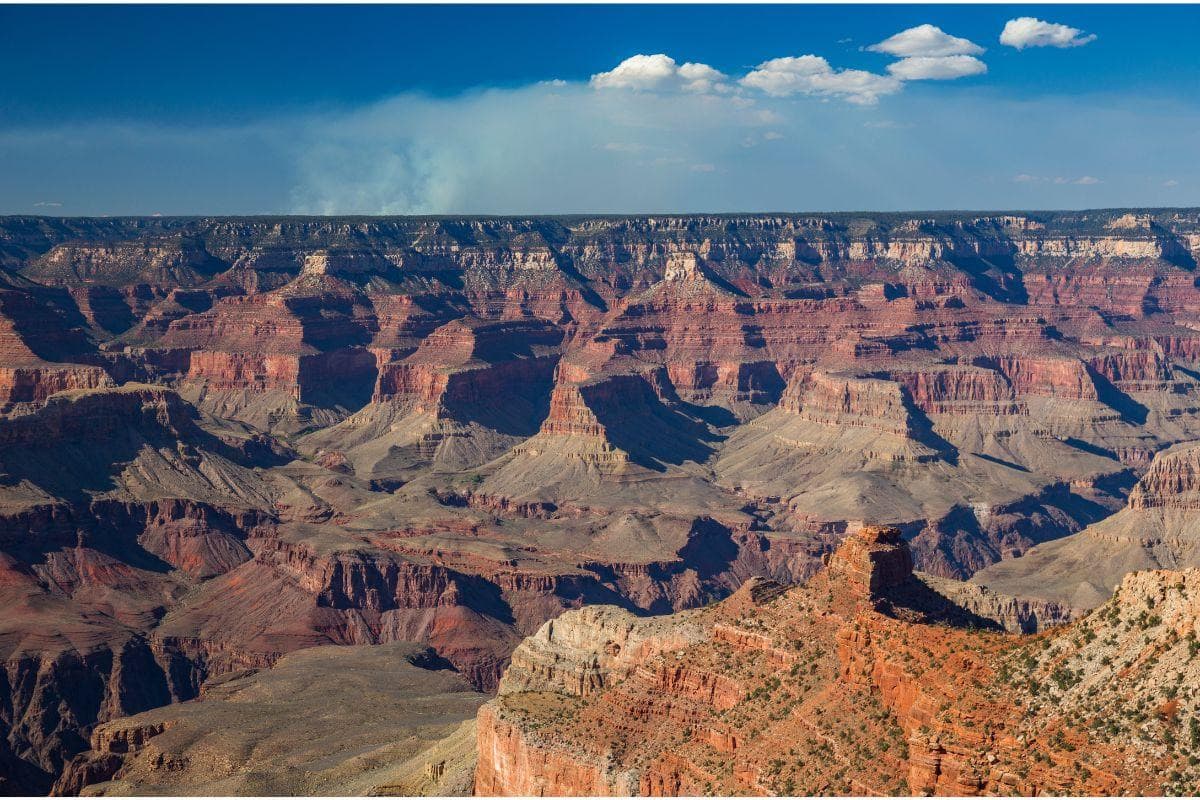
The wind at Pipe Creek Vista arrives like a conductor taking up a baton. It moves through the scrub, lifts the dust from the roadside, and then the canyon answers in a hush, as if listening. Step past the low barrier and the world drops away: a layered sweep of reds, golds and rust unfurls into a thousand ridges, each band a paragraph in a book of deep time. On a clear afternoon the Colorado River appears as a silver ribbon far below, daring you to imagine the slow patience it took to carve this place. At sunset the canyon does what it has always done; it puts on a performance that makes you forget the clock and remember how small an hour really is.
Pipe Creek Vista is a concentrated lesson in why the South Rim endures as a pilgrimage for anyone who likes their landscapes raw, accessible and immediate. It is less a destination than a doorway — an easy pullout on Desert View Drive that opens onto Pipe Creek Canyon and views stretching east toward Grandview and Desert View Watchtower. For travelers who want more than a single photograph, the area is perfectly suited to a half-day of guided jeep recon, short rim walks, birdwatching and a slow-motion lesson in sedimentary time.
Geology here reads like a timeline written in rock. The layers visible from Pipe Creek span hundreds of millions of years, with the bright, oxidized sandstones of the Permian period laid over older strata. Walk the short rim trail and you are standing on the skin of an ancient sea floor, while the canyon bottom holds the more ancient, battered Vishnu Schist nearly two billion years old. That contrast—youthful reds over ancient basement rock—gives the South Rim its dramatic vertical grammar.
Human stories are braided through this landscape too. Indigenous peoples have lived around the canyon for millennia, and Desert View Watchtower, a short drive east from Pipe Creek, holds murals and architectural influences that honor Hopi and other native cultures. In the late 19th and early 20th centuries, the rim became a magnet for rail-borne tourists and later for drivers, which shaped the patchwork of overlooks, lodges and trading posts you still find today.
The modern way to experience Pipe Creek is as a staged, layered outing. If you want a slow introduction, park, stretch and follow the short viewpoints and interpretive signs. If you prefer mechanical accompaniment, local operators run off-road jeep safaris that thread back roads into the park, bypass south entrance jams and deliver you to less trafficked overlooks like Duck on a Rock and Grandview Point in time for sunset. These tours are not adrenaline rides so much as temporal translators; a skilled guide translates the rock into stories about erosion, climate shifts and human history while you watch elk pick their way through juniper.
For photographers and evening people, sunset is the marquee event. Light slides across the canyon and confers depth by carving shadows that can make a plateau look like a sculpture. Morning has its own quiet rewards: a thin gold that settles into crevices, solitary hikers, and a softness that makes distant ridgelines feel like watercolor washes. All seasons alter the palette—winter adds a spare, icy edge; summer interposes heat haze—and each is worth planning for.
Practicalities are straightforward but matter. Pipe Creek Vista is accessible by car and regularly included on guided South Rim routes; most jeep tours depart from Tusayan and run two to four hour itineraries that include multiple lookouts and occasional back-road permits. There is no strenuous trail required to take in the view, but if you want to follow faint game paths along the rim, bring footwear with good tread and expect loose scree. Water, layers, sun protection and an awareness of altitude will keep the trip from becoming a test of endurance. In the busiest months, start early or aim for after 4 pm to avoid the mid-day crush.
Wildlife here is part of the attraction and the hazard: elk and mule deer are common in the meadows near the rim and will graze within sight of overlooks. California condors have a tenuous presence at the canyon and may be glimpsed wheeling on thermals if you are patient and lucky. Keep your distance from animals; they are wild and park regulations are explicit about feeding or approaching wildlife.
If you plan to deepen the experience, consider booking a guided jeep safari that includes Pipe Creek, Duck on a Rock and Grandview Point, timed for sunset. These tours offer park entrance logistics handled for you and local guides who know where to watch for wildlife and where the light will fall an hour from now. For a quieter, self-directed afternoon, combine a stop at Pipe Creek with a visit to Desert View Watchtower and the nearby trading post to see regional Native art and crafts.
Leave no trace is not a slogan here; it is practical ethics. The canyon’s edges are fragile and the trails ephemeral. Pack out what you bring, respect closures and stick to durable surfaces. In exchange the place rewards you with a humbling clarity: the sheer scale becomes a background hum, and you leave with the sense that you have witnessed something both ancient and immediate.
Pipe Creek Vista is not the Grand Canyon’s most famous overlook, and that is precisely why it deserves your time. It is a point on a long rim drive where the canyon reveals a quieter, more intimate perspective—where the rocks seem to lower their voice and tell you, in patient geological terms, how the world changes. Come for the sunset, stay for the geology lesson, and plan your timing so that the light—like the wind—arrives just when you are ready to listen.
Trail wisdom
Small choices, better day.
Time your visit for golden hour
Arrive 45–60 minutes before sunset to secure a good viewing spot and let your eyes adjust for layered color changes.
Bring 1–2 liters of water
Even short stops at the rim can be dehydrating, especially in sun and wind; plan on more water than you think you need.
Watch for wildlife from a distance
Elk and condors are thrilling to see but unpredictable; stay on trails and do not approach or feed animals.
Layer up for temperature swings
Even in summer the rim can cool quickly after sunset; a windproof layer is a small pack item that pays off.
Local knowledge
Read the place, not just the route.
Watch for native species including Elk, California condor.
Keep an eye out for wildlife during the transition between areas and habitats. Respect distance guidelines.
The park emphasizes wildlife protection and habitat restoration, including condor reintroduction efforts; visitors are urged to follow leave-no-trace practices and respect closures.
Follow the guide's instructions on size limits, ethical handling, and leave-no-trace practices.
Duck on a Rock Overlook — a quieter vantage with unique rock formations. Grandview Point — less trafficked and excellent for expansive eastward views
Locally recommended viewpoints and quiet spots known best to local operators.
The South Rim has been inhabited and visited by Indigenous peoples for millennia; Desert View Watchtower was built in 1932 to honor regional native architecture and artwork.
Maritime roots and regional tradition shape the waterways and working coasts.
Seasonal guide
Four versions of the same landscape.
Spring
Best forWildflower viewing · Mild temperatures · Smaller crowds
ChallengesOccasional late snow · Unpredictable winds
Spring brings blooming shrubs and comfortable hiking conditions, but be prepared for sudden cool spells and possible remnant snow at higher elevations.
Summer
Best forLong daylight hours · Birdwatching for condors · Full-service visitor facilities
ChallengesHigh temps downcanyon · Peak crowds and heat haze
Summer offers long days and frequent wildlife sightings, but expect crowds and heat; early morning or late afternoon are best for photography.
Fall
Best forVivid light for photography · Milder weather · Fewer crowds
ChallengesShortening days · Cooler nights
Fall is ideal for sunset photography and quieter rim experiences; bring warmer layers for evenings as temperatures drop fast.
Winter
Best forSnow-dusted vistas · Clear air and long views · Off-season solitude
ChallengesIcy patches and snow at rim · Limited services
Winter delivers crisp air and dramatic contrast when snow highlights the canyon, but check road conditions and allow extra travel time.
Pack with intention
What to bring.
Good to know
Common questions.
Pipe Creek Vista is reachable via Desert View Drive on the South Rim; most visitors drive from Grand Canyon Village or take guided jeep tours that include the overlook.
Plan the edges
The details that make the day easier.
The Grand Canyon exposes nearly two billion years of Earth's geologic history; the Vishnu Schist at the canyon floor is roughly 1.7 to 1.8 billion years old.
Tusayan and the South Rim trading posts feature Native American art, jewelry and crafts; stop at a local trading post to meet artisans and taste regional snacks like frybread or Navajo-style corn preparations.
- Nearest services
- Tusayan (10–15 minutes by car). Park fees apply. Most guided tours depart from Tusayan. Short roadside pullout with limited parking; arrive early in peak season.
Stick to established viewpoints, pack out waste, and do not feed wildlife; tour operators often follow low-impact protocols — choose companies that support park conservation efforts.
Explore by topic
Follow the threads.
Keep exploring
Make the story part of the trip.
Set out from Bass Harbor for a private, customizable day on Blue Hill Bay — lighthouses, puffins, seals, and the chance to feel Acadia from the water. Small groups, local captains, unforgettable views.
In four hours you can move from shaded canyon ferns to wind-scoured coastal ridgelines, guided by someone who knows where the light—and the hidden views—live. This private half-day hike on the Monterey Peninsula or Big Sur is compact, curated, and perfect for travelers who want depth without a multiday commitment.
 Related story
Beneath a sky of shifting light, Skaftafell’s ice reads like a map of time. This three-hour guided glacier hike mixes technical instruction with geology and culture: compact, safe, and unforgettable.