
What the day feels like
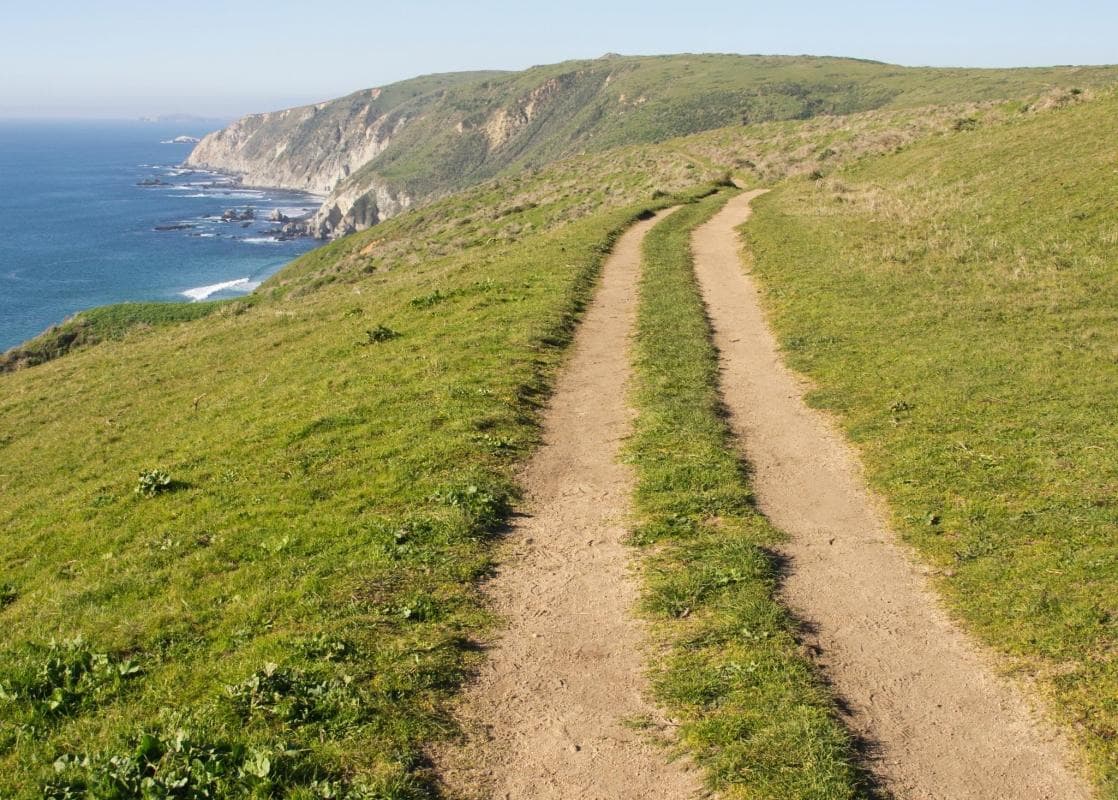
You round a bend on Pierce Point Road and the land opens into a long blade of coastal grassland, a narrow finger of earth pointing north between the glassy mirror of Tomales Bay and the open Pacific. Wind is the first language here—constant, shaping the grasses into ripples, nudging the foam off distant breakers. Hikers move with small, purposeful steps, their jackets flapping like sails as they pick their way along the ridge. For nine miles, the trail runs true to that knife-edge, delivering you into one of Northern California’s clearest conversations between sea and prairie: Tomales Point.
The Tomales Point Trail is the kind of hike that asks little and returns a lot. It’s not alpine; there are no jagged summits, only long, exposed contours with sweeping views. But those views are precise and persuasive—the feel of the Pacific to your west, the quiet of Tomales Bay to your east, and, often, the slow-motion drama of Tule elk grazing the grasslands. It’s a coastal walk that reads like a remote place, even though the drive from San Francisco is straightforward. That paradox—proximity paired with isolation—explains the trail’s appeal.
The headlands of Point Reyes, of which Tomales Point is the northernmost spine, tell a layered story: geologically recent uplift combined with relentless marine erosion. The peninsula sits on the same sliver of tectonic activity that defines the Bay Area; basalt outcrops and folded sedimentary rocks track the movements of fault and sea. Historically, this shoreline has been home to the Coast Miwok people for millennia, and later to ranchers who grazed cattle across the open hills. In the 20th century, conservation efforts transformed grazing lands and abandoned military installations into protected habitat. Today the National Park Service manages this peninsula, balancing public access with fragile ecosystems.
The focal wildlife draw is the Tule elk, a species that almost vanished in the 1800s and was later re-established on the peninsula. Tomales Point supports a substantial herd; spotting an elk—bulls tall as horses and cows with a surprisingly stoic profile—gives the landscape a cinematic quality. Seabirds wheel in the wind; migrating raptors use the cliff-lift. Offshore, sea lions and migrating whales are occasional punctuation marks in the blue.
Practicality is part of the pleasure here. The classic route begins at the Pierce Point Ranch trailhead and is approximately 9.4 miles (about 15 km) roundtrip with roughly 800 feet of cumulative elevation gain—rolling, exposed terrain rather than steep climbs. Expect a full day out: most parties take 4–6 hours depending on how often they stop. The trail surface is a mix of packed dirt, gravel, and a short spit of boardwalk near the ranchlands; it’s accessible for fit walkers, but wind and lack of shade mean preparation matters.
Timing is everything. Morning light on the bay is glassy and gentle; late afternoon brings a warmer palette and often calmer winds. Spring blooms—wildflowers and fresh grasses—transform the plateau into a soft carpet. Fall can bring dramatic, clear-air days. Winter delivers big skies and bigger storms; dress for wind and sudden rain.
Logistics: parking at the Pierce Point lot fills early on weekends, so arrive before 9 a.m. or plan a weekday visit. There is no shuttle service to the trailhead; a vehicle is necessary unless you arrange private transport. No permit is required for day hiking, but the area is federal land with rules—dogs are not allowed, and bicycles are restricted. Leave no trace: the elk are protected and human food or close approaches stress them.
Safety and comfort are straightforward—good boots, layers, sun protection, and ample water. Though the trail’s elevation gain is modest, wind can sap energy and chill quickly; bring a windbreaker and an insulating midlayer. If you plan to linger for wildlife viewing or photography, bring a light tripod and a telephoto lens so you can keep your distance.
For thinkers and doers alike, Tomales Point offers a balanced day: intense sensory clarity without technical difficulty. Birders will mark species lists; photographers will prize the clean light and broad vistas; families will find a long, manageable walk with high payoff. The wild here feels cooperative rather than dramatic—the ocean dares you with its vastness, the winds prod you into presence, and the elk accept your quiet curiosity, provided you respect their boundaries.
After the hike, follow the coast back to civilization in the friendliest possible way: small-town hospitality. Point Reyes Station has a handful of cafes and the local creamery—cheese and oysters from nearby Tomales Bay are perfect finishing notes. Whether you come for the elk, the sky, or simply to stretch your legs on a distinctive coastal spine, Tomales Point delivers a day that lands in the memory precisely because it’s both elemental and practical.
If you go: be prepared for weather that changes on a dime, bring binoculars, and plan for parking. Walk with curiosity and restraint—this is habitat first, viewpoint second. The reward is simple: long lines of sea and sky, the slow browsing of elk, and the feeling of walking along the very edge of a peninsula that refuses to be anything but itself.
Trail wisdom
Small choices, better day.
Start early
Parking at the Pierce Point trailhead fills quickly—arrive before 9 a.m. on weekends to secure a spot and enjoy calmer winds.
Respect wildlife distances
View Tule elk and nesting birds from at least 25–50 yards; use binoculars or a telephoto rather than approaching.
Layer for wind
Even on sunny days the ridge is exposed—carry a windproof jacket and an insulating midlayer.
Hydrate and snack
There’s no water on trail; bring at least 2 liters per person and energy-rich snacks for the 4–6 hour outing.
Local knowledge
Read the place, not just the route.
Watch for native species including Tule elk, shorebirds and raptors (e.g., peregrine falcons).
Keep an eye out for wildlife during the transition between areas and habitats. Respect distance guidelines.
Stay on trail to avoid trampling sensitive grasses, do not feed wildlife, and pack out all trash—these measures protect the elk and fragile coastal habitats.
Follow the guide's instructions on size limits, ethical handling, and leave-no-trace practices.
Walk the short spur into Pierce Point Ranch for historic ranch structures and a quieter view into the elk meadows.. After your hike, drive to Marshall for fresh oysters or stop in Point Reyes Station for local cheeses and coffee.
Locally recommended viewpoints and quiet spots known best to local operators.
The Point Reyes peninsula has long been Coast Miwok land; later ranching and conservation actions shaped the landscape that National Park Service now protects.
Maritime roots and regional tradition shape the waterways and working coasts.
Seasonal guide
Four versions of the same landscape.
Spring
Best forwildflowers · mild temperatures · elk viewing
Challengesmud in low spots · variable winds
Spring brings blooming grasses and milder temperatures—ideal for photography and wildlife viewing, though some patches can be soggy after rain.
Summer
Best forclear skies · long daylight · birding
Challengeshot sun on exposed ridgelines · occasional fog
Summer offers long days and stable weather but little shade; sunscreen and sun protection are essential.
Fall
Best forclear vistas · migratory birds · fewer crowds
Challengescooler winds · shorter daylight
Fall often produces crisp, clear air and fewer visitors—expect stronger winds and cooler temperatures in the afternoons.
Winter
Best fordramatic skies · storm-watching · solitude
Challengesheavy rain or gale-force winds · cold temperatures
Winter can be raw and spectacular; check forecasts and avoid the trail in severe weather or high surf advisories.
Pack with intention
What to bring.
Good to know
Common questions.
The classic out-and-back is about 9.4 miles (roughly 15 km) roundtrip with around 800 feet of cumulative elevation gain.
Plan the edges
The details that make the day easier.
Tomales Point is a key habitat for Tule elk on the Point Reyes peninsula; conservation and management in the National Seashore have helped sustain the herd.
Point Reyes’ small towns celebrate local food—oysters in Marshall, artisan cheeses at the Point Reyes Farmstead, and seasonal farmers’ markets in Point Reyes Station make excellent post-hike rewards.
- Trail
- ~9.4 miles RT | Elevation gain: ~800 ft | Trailhead: Pierce Point Ranch | Parking: limited; arrive early | Permits: none for day hikes | Dogs: prohibited.
Keep at least 25–50 yards from elk, stay on designated trails to protect native plants, and pack out all waste—these small actions maintain habitat health and visitor experience.
Explore by topic
Follow the threads.
Keep exploring
Make the story part of the trip.
Set out from Bass Harbor for a private, customizable day on Blue Hill Bay — lighthouses, puffins, seals, and the chance to feel Acadia from the water. Small groups, local captains, unforgettable views.
In four hours you can move from shaded canyon ferns to wind-scoured coastal ridgelines, guided by someone who knows where the light—and the hidden views—live. This private half-day hike on the Monterey Peninsula or Big Sur is compact, curated, and perfect for travelers who want depth without a multiday commitment.
 Related story
Beneath a sky of shifting light, Skaftafell’s ice reads like a map of time. This three-hour guided glacier hike mixes technical instruction with geology and culture: compact, safe, and unforgettable.