
What the day feels like
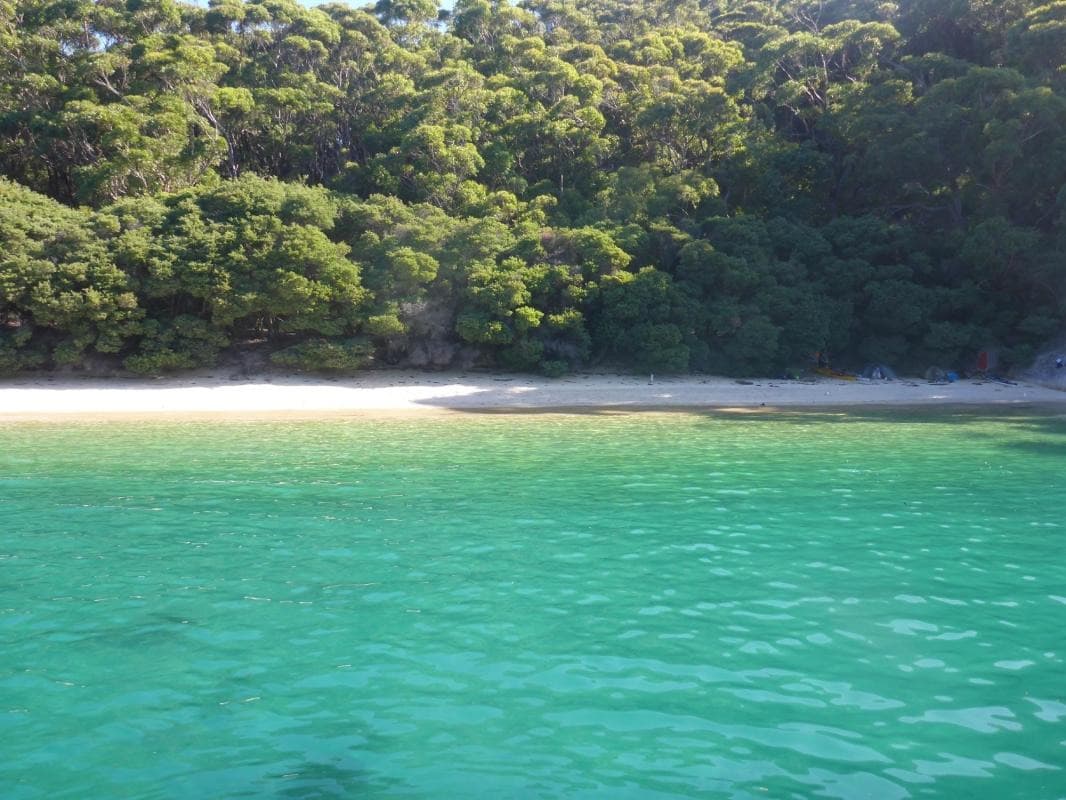
You arrive before most people do, the car headlights carving a lane through coastal mist. The first thing that announces itself is the sound: a low, constant percussion as waves break against stone, the shore inhaling and exhaling. A narrow trail snakes away from the pull-off and down a slope of wind-polished scrub and sea-salted pines. Ten minutes in the forest opens, and the world shifts—cliffs take charge, gulls wheel and the cove reveals itself, a bowl of surf and basalt, seams of orange lichen, and a scatter of tide pools like spilled jewels.
This feature focuses on a compact coastal landscape that resists tidy labels. It’s a place where the sea feels purposeful—pushing, shaping, daring you to get closer. The trails here are short and concentrated: a roughly 3.5-mile coastal loop with about 450 feet of cumulative ascent that threads cliff-top overlooks, a scrambly descent to pebble beaches and a half-mile of basalt bench walking where the ocean asserts itself. The terrain is mixed—packed dirt, cobbles, occasional exposed roots and a few short sections of loose scree—so boot grip and steady footing matter more than endurance.
Geology is legible here. Layers of ancient marine sediment and volcanic intrusions tilt and fold, creating natural staircases and vertical faces pocked by sea caves. Over millennia, waves have taken the soft seams and left behind sea stacks and sea caves that invite inspection. Tide pools stage their own microcosms—sea stars, anemones, and crab hierarchies—that reveal the cove’s patient work. Human history is quieter but present: old pilings at the cove’s mouth hint at a time when small boat traffic was a lifeline for coastal settlements, and faint traces of hearths at higher clearings suggest seasonal shellfishing camps.
The cultural rhythm here is simple and elemental. Local fishermen still read the swell by eye; surfers and kayakers treat the nearby reef break as a litmus test for fall swells. If you listen, you can hear the coast’s vernacular—stern, practical, threaded with ways of moving that respect tides and weather. There’s a modest etiquette: keep distance from nesting sea birds in spring and summer, and leave fragile tide pool life undisturbed. This place rewards patience. Early morning light reveals complex shadows on the cliffs; late afternoon stretches the surf into a glittering, kinetic plane.
Why travelers should go: it’s a concentrated lesson in coastal dynamics. In a single loop you get cliff-top panoramas, tide-pool micro-ecology, a short pebble beach descent and the reward of a hidden sea cave that’s best viewed at mid-to-low tide. The combination suits day hikers who like a sense of discovery without committing to multi-day routes. It’s intimate rather than epic—ideal for a day when you want to feel salt air and ocean power close at hand.
Practical guidance: plan around tides. The cove’s accessible pebbled beach and sea caves are best at low to mid ebb tide; high tide can push waves into the bench area and make the lower sections hazardous. Wear boots with good tread for the cobble and scree, pack a waterproof shell for wind-driven spray, and bring 1.5–2 liters of water per person for the loop—there’s no fresh water on route. If you want to explore the sea cave interior, do so at a conservative distance and check the tide table. Photography is spectacular in golden hour; wildlife watches are more reliable at dawn.
For families and casual hikers: the trail is compact enough to keep interest, but children will need steady shoes and supervision at cliff edges. For experienced adventurers: the scramble and bench sections offer playful exposure and photo-worthy compositions; a low-tide kayak or small-boat trip from a nearby harbor turns this day-hike into a multi-perspective coastal exploration.
Sustainable travel matters here. Pack out everything, avoid trampling cliff-top vegetation that prevents erosion, and steer clear of birds during nesting season. The cove’s ecosystems are small and easily disturbed; a measured footprint ensures these tidal theaters endure.
Getting there is straightforward if you have local directions, but cell service is spotty on the coast—download or screenshot maps in advance. Time your visit for low tide to see the sea cave and flats; if you want calmer water for a paddling approach, aim for a late-summer morning with light offshore wind.
This is not a place of grand summits, but it’s one of small, exacting delights: the spatter of spray that suddenly crowns a rock, a tide pool that holds a whole subtidal economy, a cliff-top view where each incoming set reads like punctuation. It’s a coastal education in miniature—manageable for a day, memorable for the way it opens your attention to the sea’s relentless, sculptural patience.
Trail wisdom
Small choices, better day.
Time your visit with the tides
Check a local tide table and aim for low to mid-ebb to access the pebble beach and sea cave safely.
Grip matters more than mileage
Wear boots with a reliable outsole for cobbles and scree; lightweight trail runners with sticky rubber also work for experienced hikers.
Stay back from nesting birds
Give shorebirds and cliff-nesters a wide berth in spring and early summer to avoid stress during breeding season.
Download offline maps
Cell service can be unreliable along the coast—save a map or GPS track to your phone before you go.
Local knowledge
Read the place, not just the route.
Watch for native species including harbor seal, pigeon guillemot (or local shorebird species).
Keep an eye out for wildlife during the transition between areas and habitats. Respect distance guidelines.
The cove’s intertidal zones are sensitive—avoid collecting organisms, stick to durable surfaces, and follow local shorebird nesting restrictions.
Follow the guide's instructions on size limits, ethical handling, and leave-no-trace practices.
A short bench walk at low tide reveals hidden tide pools rich with color. An offshore rock stack hosts resting seals—best seen from the cliff vantage point at dawn
Locally recommended viewpoints and quiet spots known best to local operators.
Small pilings and faint campsite traces suggest this cove was once used seasonally by coastal fishers and shellfish gatherers.
Maritime roots and regional tradition shape the waterways and working coasts.
Seasonal guide
Four versions of the same landscape.
Spring
Best forwildflower accents on cliffs · bird nesting observations · cool, crisp hikes
Challengesunpredictable storms · rough seas · many nesting closures
Spring yields wildflowers and active bird life; however, check closures for nesting areas and be prepared for variable weather.
Summer
Best forcalmer seas for paddling · long daylight hours · warm but breezy hikes
Challengescrowds on popular days · occasional marine haze · strong midday sun
Summer offers the best weather and the calmest waters for approaches by kayak or small boat—go early to beat crowds.
Fall
Best fordynamic surf and dramatic skies · photography of storms · less crowded trails
Challengescooler water temps · stronger winds and swells
Autumn brings dramatic weather systems and surf; it’s prime for photography but expect wind-driven spray and cooler air temperatures.
Winter
Best forraw coastal storms · secluded exploration · seeing large swell events
Challengesdangerous high surf · slick rocks and icy mornings · limited daylight
Winter showcases the coast’s power with big swells and storm-swept scenery—visit only with experience and caution.
Pack with intention
What to bring.
Good to know
Common questions.
Visit at low to mid-ebb tide—this exposes the cave entrance and lowers the waves on the bench; high tide can make the area dangerous.
Plan the edges
The details that make the day easier.
Sea caves and coastal sea stacks often form where waves exploit weaker layers in rock; wave erosion can hollow out sea caves that later collapse to form stacks—a common process along rocky coasts.
Local coastal communities prize seafood and practical seamanship—look for family-run seafood shacks, regional smoked fish, and small harbors where fishermen mend nets and swap weather reports.
- Trail
- 3.5 miles loop | Elevation gain: ~450 ft | Best time: low tide, early morning | Cell service: unreliable | Parking: small pull-off at trailhead.
Stick to durable surfaces, avoid collecting marine life, and respect nesting bird buffer zones to minimize impact on fragile intertidal ecosystems.
Explore by topic
Follow the threads.
Keep exploring
Make the story part of the trip.
Set out from Bass Harbor for a private, customizable day on Blue Hill Bay — lighthouses, puffins, seals, and the chance to feel Acadia from the water. Small groups, local captains, unforgettable views.
In four hours you can move from shaded canyon ferns to wind-scoured coastal ridgelines, guided by someone who knows where the light—and the hidden views—live. This private half-day hike on the Monterey Peninsula or Big Sur is compact, curated, and perfect for travelers who want depth without a multiday commitment.
 Related story
Beneath a sky of shifting light, Skaftafell’s ice reads like a map of time. This three-hour guided glacier hike mixes technical instruction with geology and culture: compact, safe, and unforgettable.