
What the day feels like
The first light pours into Provincetown Harbor like a slow film—silver on the water, a nose of fog draped over white clapboard houses, and the gulls already debating the day. You step off Commercial Street onto a wooden wharf and the town’s threefold identity arrives at once: maritime, artistic, and fiercely independent. Boats rock in the basin; a painter sets up an easel under the awning of a gallery; the smell of frying lobster rolls and coffee slips past. In Provincetown, the landscape does the inviting, and the town returns the favor with a practiced welcome.
There’s an immediacy here that rewards moving slowly. Two of the best ways to feel Provincetown’s rhythm are on foot and on the water. The West End History Tour—an intimate 90-minute stroll that covers roughly 0.5 mile along the harbor—pulls back the curtain on maritime grit and bohemian reinvention. Nearby, the Lucinda Lipol walking tour delivers a sharper, comedic take on local lore over a mile and an hour, mixing sharp observations with the inimitable local flavor. Both tours are compact but dense: historic homes, the steeple of the UU Meeting House, and neon signs like the Lobster Pot’s that seem to hum with the town’s ghost stories.
Provincetown’s story is layered. Geologically, it’s the bulbous northern tip of Cape Cod—a deposit of glacial till and sand that became a peninsula of dunes, marshes, and shoals. Pilgrims first dropped anchor in Provincetown Harbor in November 1620; the Mayflower Compact was signed here, long before Plymouth Village took on the mythology of American settlement. That history sits beside the 19th- and 20th-century influx of artists and writers who found in P-town a buoyant freedom: Muir and Tennessee Williams claimed corners of the town; a decades-long LGBTQ+ culture blossomed into a visible, celebrated community. The A-House, the Tea Dance tradition, and the Provincetown Art Association all feel like chapters in a living chronicle.
For palate and pace, itineraries range from small indulgences to full-day adventures. The Local Legends and Lobster Roll Tour stitches culinary stops into cultural commentary: a lobster roll, a Portuguese malasada, and the bars where Anthony Bourdain once labored and drank. The Martinis & Mingle walking tour pairs local cocktail culture with neighborhood history along Commercial Street, giving you a measured way to taste P-town’s modern social fabric. If you want to stretch beyond the town limits, the Outer Cape Tasting Tour turns the Cape into a curated day trip—local farms, galleries, and bakeries ferried into one relaxed route.
If the sea calls louder, book a whale-watch from Provincetown in June through September when humpbacks and other large whales feed offshore in the Atlantic Whale Sanctuary. Operators run multi-hour trips and naturalist-led cruises; on a good day the whales put on a show of breaches and tail slaps against a backdrop of clear sky and sculpted dunes. For a different kind of arrival, high-rollers—or those short on time—can lift off from Manhattan and land by private helicopter for a 4–5 hour Cape Cod interlude with Provincetown as a possible touchpoint.
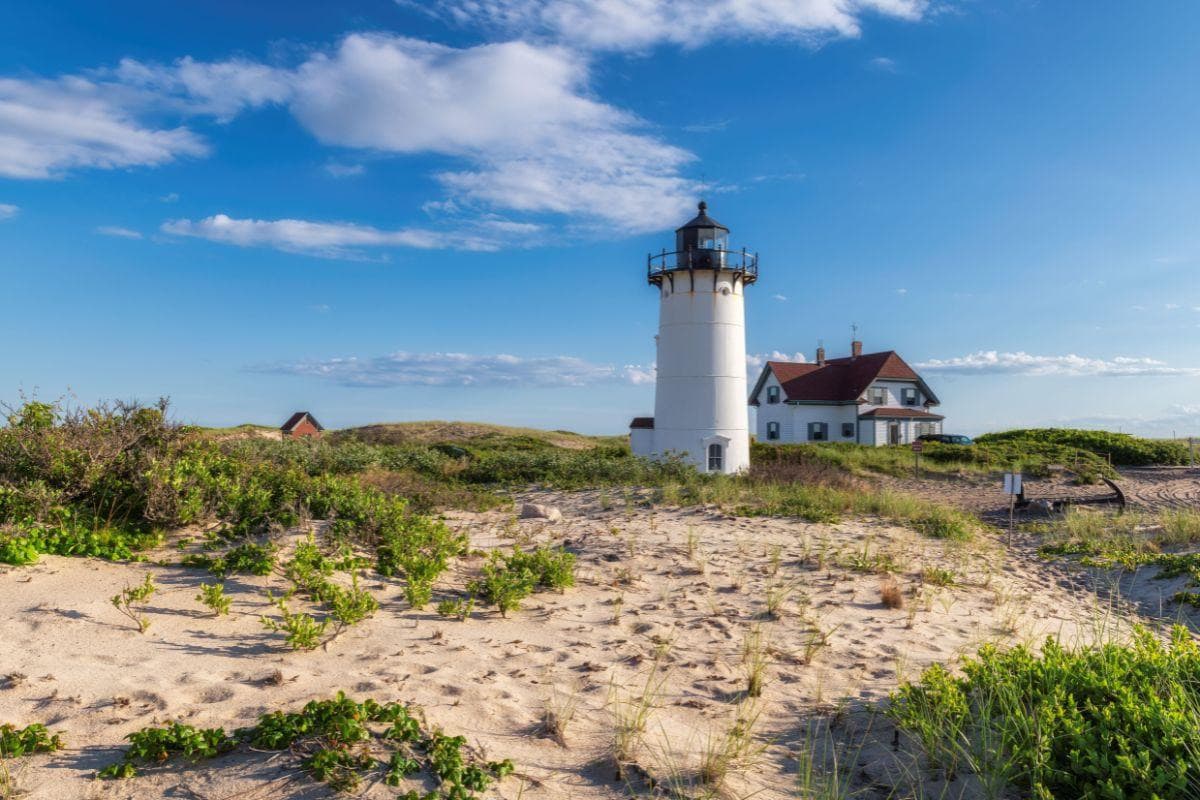
Practical edges: Provincetown is flat but walking-focused. Expect a lot of standing, some boardwalk steps, and sandy paths if you wander toward Race Point or Herring Cove. Summers are busy—book tours and restaurants well ahead. Parking downtown is limited; ferries from Boston or seasonal flights into Provincetown Municipal Airport are the easiest no-driving options. And respect the land: the dunes are fragile and managed to protect rare plant communities.
Packing is straightforward: layers for wind and sun, sturdy shoes for streets and beaches, binoculars for whales, and a reusable water bottle. For photographers, a 70–200mm zoom captures close-up whale action from a boat; onshore, wide angles work for coastal panoramas and the tight, colorful streetscape of Commercial Street.
Why travel here now? Provincetown is the kind of place that calibrates your attention: small in scale, huge in flavor. Walk one of the guided history tours to learn the exact provenance of a wharf or a neon sign; eat your way through the town on a tasting tour; then push off for a whale watch and remember how big the ocean is. The town is not a backdrop so much as an interlocutor—its galleries, bars, and harbor argue for themselves with an honest, bracing charm. For travelers who want salt air, cultural density, and practical access to the Cape’s wilder edges, Provincetown is a coastline classroom and a seaside refuge.
Timing it right—visit in shoulder seasons like late summer and early fall for fewer crowds and lingering warm water; go in June through August for the best whale activity. No matter when you arrive, walk the wharves, sample the lobster rolls, and give the water the attention it deserves. Provincetown hands you a map of small, precise pleasures; your job is to follow them.
Trail wisdom
Small choices, better day.
Book walking tours early
Provincetown’s small-group tours (West End History and Lucinda Lipol) fill fast in summer—reserve at least a week in advance during peak season.
Bring binoculars for whale watching
A small pair of 7x-10x binoculars makes spotting distant blows and tails far easier from deck or shore.
Wear layered windproof clothing
Atlantic winds can be cool even on sunny days—pack a light windbreaker or fleece for boat trips and evening strolls.
Respect dune closures and signage
Stick to marked trails at Race Point and Herring Cove to protect fragile habitats and nesting birds.
Local knowledge
Read the place, not just the route.
Watch for native species including Humpback whales, Harbor seals.
Keep an eye out for wildlife during the transition between areas and habitats. Respect distance guidelines.
The waters off Provincetown are part of the Atlantic Whale Sanctuary and are managed for responsible viewing; stay with licensed operators and obey distance rules to minimize disturbance.
Follow the guide's instructions on size limits, ethical handling, and leave-no-trace practices.
Herring Cove at sunset for quieter dunes and expansive views. The lesser-visited Provincetown Library grounds and Cannery Wharf Park for harbor vantage points
Locally recommended viewpoints and quiet spots known best to local operators.
Provincetown Harbor was the Mayflower’s first anchorage in November 1620; the Mayflower Compact was drafted and signed here before the Pilgrims moved on to Plymouth.
Maritime roots and regional tradition shape the waterways and working coasts.
Seasonal guide
Four versions of the same landscape.
Spring
Best forearly-season galleries and quieter streets · birding and migrating shorebirds
Challengescool, changeable weather · limited ferry and tour schedules early season
Spring thaws bring migrating birds and early blooms; expect brisk air and fewer crowds, with some operators running reduced hours.
Summer
Best forwhale watching and boating · full calendar of tours, festivals, and nightlife
Challengescrowds and higher prices · limited parking in town
Summer is peak season—ideal for marine life and full-service tours but plan logistics in advance to avoid sold-out departures.
Fall
Best formilder weather and fewer visitors · extended beach walks and late-season seafood
Challengessome seasonal businesses close after Labor Day · cooler ocean temperatures
Fall offers crisp light, thinning crowds, and strong late-season whale activity—book ahead for tours as schedules shorten.
Winter
Best forquiet, reflective landscapes · off-season gallery visits and local community events
Challengesmany shops and tours closed · stormy weather and limited ferry service
Winter is quiet and starkly beautiful; come for solitude and galleries but check in advance for open services and road conditions.
Pack with intention
What to bring.
Good to know
Common questions.
Most guided walks are short: the West End History Tour is about 90 minutes and 0.5 mile, while the Lucinda Lipol tour runs about an hour and a mile—perfect for a morning or afternoon exploration.
Plan the edges
The details that make the day easier.
The Mayflower first anchored in Provincetown Harbor in November 1620, and the Mayflower Compact was written and signed there before passengers moved on to Plymouth.
Provincetown’s culture blends Portuguese fishing heritage, a storied LGBTQ+ community with longstanding traditions like the Tea Dance, and a thriving artist colony—sample local seafood at a family-run shack and stop into side-street galleries.
- Getting there
- seasonal ferries from Boston and car access via Route 6; parking: scarce downtown—use municipal lots; book: tours and whale watches should be reserved for summer; health & safety: life vests on boats, adhere to marine mammal viewing distances.
Choose licensed whale-watching operators who follow NOAA guidelines, keep to marked dune paths, and pack out all trash—these small actions protect both marine life and fragile coastal habitats.
Explore by topic
Follow the threads.
Keep exploring
Make the story part of the trip.
Set out from Bass Harbor for a private, customizable day on Blue Hill Bay — lighthouses, puffins, seals, and the chance to feel Acadia from the water. Small groups, local captains, unforgettable views.
In four hours you can move from shaded canyon ferns to wind-scoured coastal ridgelines, guided by someone who knows where the light—and the hidden views—live. This private half-day hike on the Monterey Peninsula or Big Sur is compact, curated, and perfect for travelers who want depth without a multiday commitment.
 Related story
Beneath a sky of shifting light, Skaftafell’s ice reads like a map of time. This three-hour guided glacier hike mixes technical instruction with geology and culture: compact, safe, and unforgettable.