
What the day feels like
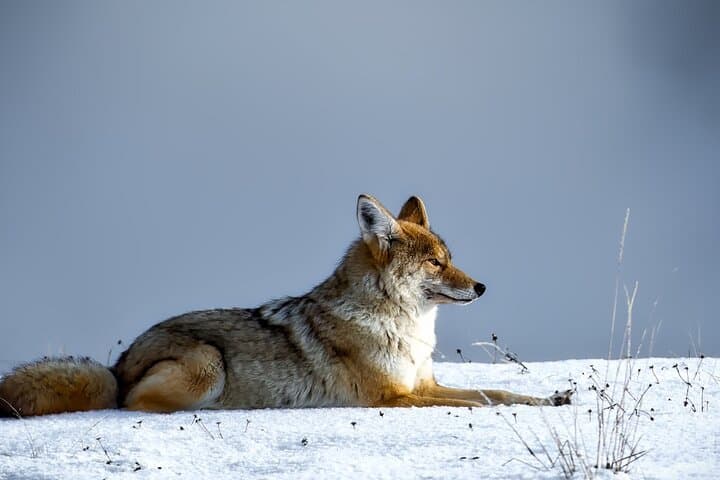
The bus slows to a hush as the first light pours over a ribbed horizon. In the dim gold, a ragged line of bison becomes a moving silhouette against grass that has spent the night sweating dew. The guide kills the engine. For ten minutes no one speaks—there’s only the exhale of a valley waking and a distant coyote’s call. This is Yellowstone in a sentence: huge, patient, and always on the verge of revealing something unforgettable.
If you want a day where wildlife feels like the main attraction rather than a possibility, a <a href="https://app.advcollective.com/local-experts/explore-yellowstone-wildlife-guided-tour-hayden-lamar-valleys">guided Yellowstone wildlife tour</a> that crosses Hayden and Lamar Valleys delivers. These broad lowlands, carved by ancient rivers and framed by volcanic highlands, are where bison amble like weather, elk sound the ancient bugle, and wolves—when they choose—remind you that this is still wild country. A professional driver and naturalist handle the hours and the route; you get to look, ask, and photograph without fretting the logistics.
Hayden Valley sits lower and steamier, a corridor of wetlands and hot springs that attracts waterfowl and grazing bison year-round. Lamar Valley, farther north and often called America’s Serengeti, spreads out like a wildlife stage: wolves and their packs hunt in the open, grizzlies patrol river edges, and pronghorns stand poised to outrun anything. Geologically, you’re traveling above rhyolite and volcanic tuff—Yellowstone is the caldera of a supervolcano—so the landscape keeps a slightly surreal edge: thermal steam in the grass, an amphitheater of distant peaks, and a sense that the earth is active even when you’re only watching animals feed.
The cultural and conservation story is stitched into every mile. Yellowstone was established in 1872 as the world’s first national park; since then, the park has been an evolving experiment in how people and predators share ground. Guided tours like this one—available for instant booking and typically eight hours in duration—are a direct offshoot of that ethic: trained guides show you how to observe responsibly, keep a safe distance, and understand animal behavior without intrusion. That matters here; the park enforces strict rules (stay at least 100 yards from bears and wolves, 25 yards from other wildlife) and relies on visitors to follow them.
Practicalities you’ll appreciate: this is a full-day tour, usually departing from Gardiner or a park gateway and running roughly eight hours—time enough to cover multiple valleys and to hold at sightings while wildlife presence fluctuates. Expect a small-group vehicle, telephoto-friendly stops, and frequent narration about the animals and geology. The tour price starts around $250, with occasional small additional fees; given the value of expert eyes and local knowledge, it’s a sensible trade for photographers and travelers who want to maximize their chance of seeing key species in a single day.
Timing is everything. Early morning and late afternoon are the biological prime-time: predators hunt and ungulates feed with the best light. Spring brings newborn elk and bison calves and offers dramatic, often photographic moments; summer fills the valleys with wildflowers, higher visitor numbers, and reliable daylight; fall carries the elk rut—vocal, dramatic, and a highlight for many; winter opens up an entirely different world but requires specialized transport and a different tour format. Guides know where animals have been trending and will alter the itinerary accordingly, which is where a guided tour beats driving solo.
As for the tangibles: you won’t be hiking far on this itinerary—most viewing is from vehicles and short roadside pulls—so it’s accessible to casual hikers, families, and travelers who aren’t looking for a strenuous day. That said, bring layers: morning temperatures in the valleys can be sharply cold, while midday heats up fast. Telephoto lenses, long focal lengths, a stable tripod or monopod for vehicle-side shots, and binoculars will reward you. Equally important are patience and listening skills; sometimes the best sightings arrive when the bus goes quiet.
Safety and etiquette are core to the experience: never leave the vehicle without express instruction from your guide; keep children close; and remember that a single careless move can change animal behavior or create hazardous situations. These tours prioritize respect for wildlife and interpretive learning. Expect guides to point out subtle signs—tracks, fresh droppings, even the way the grass is trampled—that tell the story of who passed through the valley earlier.
If you’re building a trip around this day, add a night in Gardiner to soak in a small gateway town’s hospitality: rustic cafes, local beers, and the smell of wood smoke. Pair the wildlife tour with short walks around Mammoth Hot Springs or an early morning stroll on a quieter trail to enjoy the park’s quieter textures. For photographers, plan extra time to process and review shots; you’ll likely return with images that demand careful selection.
To book, follow a reputable local operator—many offer free cancellation options and instant confirmation—and check seasonal schedules. Whether you’re chasing a wolf sighting, studying bison behavior, or simply wanting to spend a day in a place where the land and animals set the agenda, a guided trip through Hayden and Lamar valleys is practical, inspiring, and truly Wild West in the best sense.
A guided Yellowstone wildlife tour is not about ticking animals off a list; it’s about learning to read the landscape that hosts them. The reward isn’t just a photograph but the way a valley can rearrange your sense of scale and time: a morning of quiet that feels bigger than any single click of a camera.
Trail wisdom
Small choices, better day.
Bring Long Glass
A 300mm+ telephoto lens or 10–20x binoculars will let you observe wildlife safely from the vehicle or turnout.
Layer For Variability
Mornings can be near-freezing and afternoons warm—pack insulated and waterproof layers you can shed.
Silence Pays Off
Keep conversations quiet and electronics muted—wildlife often appears when groups settle into silence.
Follow Guide Directions
Do not approach animals or exit the vehicle unless your guide explicitly gives the go-ahead.
Local knowledge
Read the place, not just the route.
Watch for native species including Bison, Wolves.
Keep an eye out for wildlife during the transition between areas and habitats. Respect distance guidelines.
Respect park rules and the 100-yard buffer for predators—guided tours model low-impact viewing and support local stewardship by paying permitting fees.
Follow the guide's instructions on size limits, ethical handling, and leave-no-trace practices.
Early-morning Riverside Pullouts in Lamar Valley for solitude and ungulate action. Small turnout near Pelican Creek in Hayden Valley for close waterfowl scenes
Locally recommended viewpoints and quiet spots known best to local operators.
Yellowstone became the world’s first national park in 1872; its protected status incubated modern wildlife conservation in the U.S.
Maritime roots and regional tradition shape the waterways and working coasts.
Seasonal guide
Four versions of the same landscape.
Spring
Best forCalving sightings · Migratory birds · Fewer crowds
ChallengesMud and wet roads · Variable weather · Shorter daylight windows early in spring
Spring brings newborn bison and elk plus migrating waterfowl—expect dynamic animal behavior and muddy vantage points.
Summer
Best forLong daylight · Road access · Family-friendly travel
ChallengesHigher visitor numbers · Heat midday · More vehicle traffic
Summer offers consistent schedules and full access to roads and pullouts, but plan for crowds at popular viewing areas.
Fall
Best forElk rutting behavior · Rich light for photography · Fewer insects
ChallengesCooling mornings · Unpredictable weather · Early closures possible at higher elevations
Fall’s rut and golden light make for memorable encounters; mornings are cold and wildlife is active at dawn and dusk.
Winter
Best forUnique snowy scenery · Specialized wildlife tours · Tranquil landscapes
ChallengesLimited road access · Special transport required · Potentially extreme cold
Winter viewing requires specialized tours (snowcoach/snowmobile) and can yield exceptional predator sightings against snowy backdrops.
Operator details
What the booking data adds.
Included
- ✓We're happy to accommodate vegetarian, vegan, and gluten free diets.
- ✓Snacks
- ✓Guided Yellowstone Wildlife Tour
Not included
- —Yellowstone National Park Commercial Tour Admission
- —Gratuities
- —NPS International Visitor Admission Fee - $100
Good to know
- ✓Service animals allowed
- ✓Suitable for all physical fitness levels
Pack with intention
What to bring.
Good to know
Common questions.
This guided tour runs about eight hours—enough time to visit Hayden and Lamar Valleys and hold at sightings.
Plan the edges
The details that make the day easier.
Lamar Valley is often called 'America’s Serengeti' because of its high density of large mammals—an apt nickname reflecting its ecological importance.
After the tour, head back to Gardiner for hearty local fare—think elk chili or trout—and a cold beer. Stop at small cafes to swap stories with guides and riders; nearby Roosevelt Lodge inside the park offers classic western dining if you prefer to stay in the park.
- Closest major airport
- Bozeman Yellowstone International (BZN); Driving: ~1.5–2 hours to Gardiner (approx. 85 miles); Cell service: intermittent—expect dead zones in valleys; Permits
- Passes
- Yellowstone park entrance fee required.
Stay on designated roads and pullouts, keep distances from wildlife, and pack out all trash—these tours support conservation by promoting responsible viewing practices.
Explore by topic
Follow the threads.
Keep exploring
Make the story part of the trip.
Set out from Bass Harbor for a private, customizable day on Blue Hill Bay — lighthouses, puffins, seals, and the chance to feel Acadia from the water. Small groups, local captains, unforgettable views.
In four hours you can move from shaded canyon ferns to wind-scoured coastal ridgelines, guided by someone who knows where the light—and the hidden views—live. This private half-day hike on the Monterey Peninsula or Big Sur is compact, curated, and perfect for travelers who want depth without a multiday commitment.
 Related story
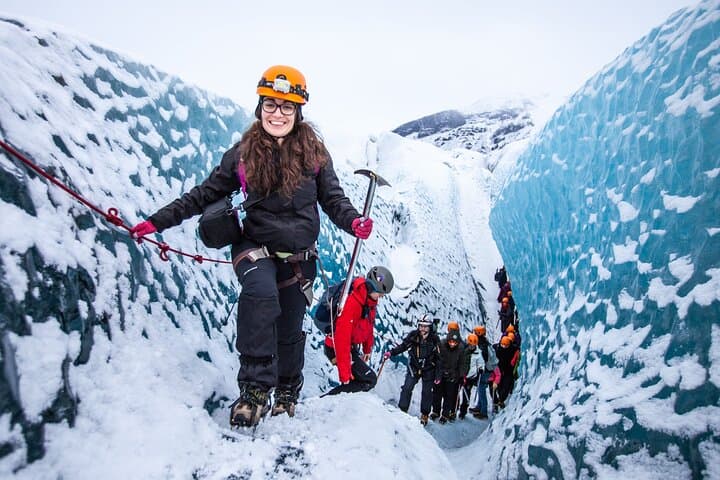
Beneath a sky of shifting light, Skaftafell’s ice reads like a map of time. This three-hour guided glacier hike mixes technical instruction with geology and culture: compact, safe, and unforgettable.