
What the day feels like
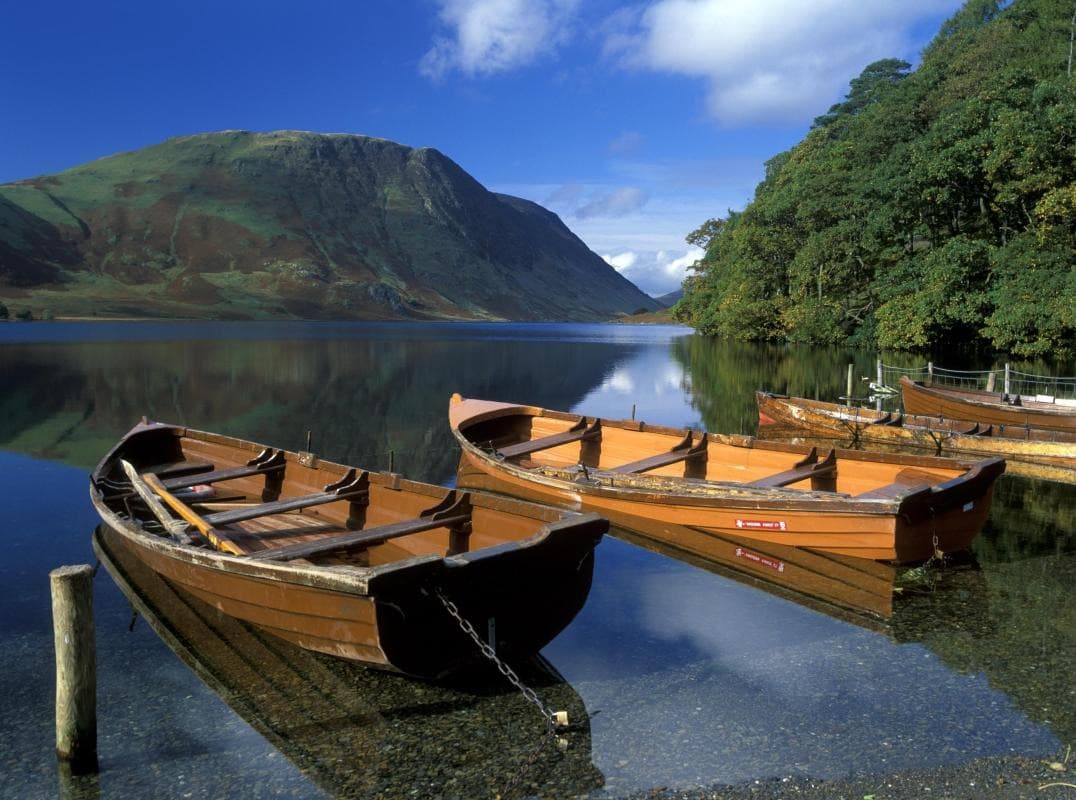
On a grey-silver morning the water at Crummock Glasses the sky so precisely it’s hard to tell where lake ends and cloud begins. You stand at the narrow lane that trembles past a stone wall, the air tasting faintly of peat and sheep, and the two fells that frame the inlet—Mellbreak to the south and Grasmoor to the north—seem to be holding the lake in a steady, patient grip. A single heron lifts off, skimming the surface, and for a moment the whole place feels like a private scene from a very old film.
Crummock Water sits in the western bowl of England’s Lake District, hemmed by steep ridges and studded with small beaches of slate and sand. It’s not the loudest of the lakes—no sprawling marinas, no throngs of hire-boat tourists—but precisely because it’s quieter, the environment feels more immediate: the wind that tucks into the water’s throat; sheep that own the lanes; the way the sun scratches highlights along the ripple lines. That quiet is also why the best ways to experience Crummock aren’t from inside a packed coach but by feeling the shore under your boots and, if you choose, the lake under a paddle.
Geology and history are written into the slopes. Crummock Water is a product of the last glaciation: an iceborne trench carved into volcanic and slate country, later dammed by moraines and fed by streams tumbling off the fells. The human story here is one of small farms, stone walls, and the tourist tradition that gathered momentum in the 19th century when travelers began to prize the region for its “sublime” views. The nearby villages—Buttermere and Loweswater—still breathe the same quiet agricultural rhythm, with sheep and fell-growing bracken shaping the land use and local identity.
Two practical ways to see Crummock are the guided day tours that include it on wider Lake District circuits, and more intimate, self-powered exploration of the shoreline and nearby fells. The full-day “Ultimate Full-Day Lake District Tour” folds Crummock into a larger itinerary—10 lakes, an included lake cruise, and a string of stops where a guide will point out the local stories and best photo angles. If you want a focused but thorough taste—Grasmere, Honister Pass, and the view into Buttermere—there’s also the eight-hour “Stunning Lake District 8 Hour Tour!”, which moves at a steady pace and drops you off at classic vantage points and waterfalls.
But the simplest plan is one you can control: walk the shore, take the short footpaths that thread into rills, and, if you’re fit, climb Mellbreak. Shore walking is gentle and immediate—muddy in places, stone-strewn in others—with long views that reward patience rather than speed. The Mellbreak ascent gives a compact fell experience: steep, rocky paths, a few hands-on moves near the summit, and a panorama in which Crummock looks like an ink stroke on the valley floor.
Practical edge: footwear and weather matter. Trails are a mix of compacted shore path, grassy sheep tracks, and a few scree steps higher up the fells. Aim for waterproof boots with decent grip, layers you can shed or add, and a map or offline GPS route—phone signal is spotty in the coves and on the passes. If you’re taking a tour, look for operators who include a lake cruise; seeing the shoreline from the water changes the geometry of the place, revealing the steepness of the fells and the tiny beaches where you can stop and dunk a hand in the famously cold water.
Timing is everything. Early morning and late afternoon give the best light for reflections; mid-summer afternoons are bright but busier. In shoulder months, mist and low cloud can make the landscape more dramatic but also more disorienting—pack a compass and stick to marked paths.
For food and cultural color, detour into Buttermere village. The tea rooms and village pub are small, sturdy institutions that feel designed to revive damp hikers. Local gingerbread and Cumberland sausage are straightforward, honest fuel; much of the local economy still pivots on hill farming and small-scale tourism, so a coffee and a pie here puts money back into the community.
Why go? Crummock Water is a compact lesson in what the Lake District does best: folded fells, still water sculptures, and walking that never feels far from the next view. It suits a wide range of travelers—families after a gentle lakeside stroll, photographers chasing mirror reflections, and walkers who want a short fell climb without the commitment of a full mountain day. Bring a curiosity for quiet landscapes and a willingness to get your boots muddy, and you’ll find the lake rewards patience with moments of remarkable clarity.
If you’re planning the trip: combine a guided tour for context and relaxed transport (and a lake cruise if you can) with a couple of hours set aside to roam the shore on your own. Respect grazing land and closed gates, avoid straying into delicate boggy areas, and if you’re wild-swimming, be cautious about temperature and exit points. In short: come prepared, leave no trace, and expect a quiet, formidably beautiful slice of the Lakes that grows on you the more time you spend there.
Trail wisdom
Small choices, better day.
Start early for reflections
Morning light often creates perfect mirror conditions on Crummock—arrive before 9am to avoid wind and crowds.
Boots with grip
Shore paths and fell tracks can be muddy or slatey—sturdy, waterproof boots reduce slips and keep you comfortable.
Respect grazing land
Close gates and stick to paths to limit erosion and disturbance to sheep; many fields are active farmland.
Bring a waterproof layer
Weather can change quickly—pack a breathable rain jacket even on calm mornings.
Local knowledge
Read the place, not just the route.
Watch for native species including red deer, peregrine falcon.
Keep an eye out for wildlife during the transition between areas and habitats. Respect distance guidelines.
Much of the area is managed to balance farming and tourism—stick to established paths to prevent erosion and support ongoing restoration work.
Follow the guide's instructions on size limits, ethical handling, and leave-no-trace practices.
Rannerdale Knotts ridge for short panoramic views. Loweswater’s quieter shoreline for reflection and birdlife
Locally recommended viewpoints and quiet spots known best to local operators.
The valley’s farms and stone walls date back centuries; nearby Grasmere was central to the Romantic poets, who popularized the area for its scenery.
Maritime roots and regional tradition shape the waterways and working coasts.
Seasonal guide
Four versions of the same landscape.
Spring
Best forwildflower displays · cool, clear walking · fewer crowds
Challengesboggy ground · late snow on higher fells
Spring brings fresh green slopes and wildflowers, but paths can be wet—waterproof boots are a must.
Summer
Best forlake cruises · longer daylight · warm shore picnics
Challengeslarger crowds · sunburn on exposed ridges
Summer is peak season for cruises and easy walking; go early to avoid midday traffic and bring sun protection.
Fall
Best forcrisp skies and color · dramatic light · quieter trails
Challengesshorter daylight · windy days
Autumn offers crisp air and great color contrasts—dress in layers and plan for diminishing daylight.
Winter
Best forsnow-dusted vistas · solitude · clear blue winter days
Challengesice and deep snow · limited services
Winter is raw and quiet; only attempt exposed ascents with winter skills and proper kit.
Pack with intention
What to bring.
Good to know
Common questions.
A gentle out-and-back along the main shore takes about 1–2 hours; adding a circular route or a climb like Mellbreak extends the outing to 3–5 hours.
Plan the edges
The details that make the day easier.
Crummock Water, like the rest of the Lake District, was shaped by glaciers during the last Ice Age—its long, narrow basin is a classic glacial trough.
Stop in Buttermere for hearty Cumbrian fare—local pubs are a window into farming life, with simple menus, gingerbread and a strong link to the region’s sheep-rearing traditions.
- Nearest village
- Buttermere. Best access: road from Keswick or Cockermouth; parking limited—use tours or public transport in summer. Facilities: small village shops and pubs; no large visitor center.
Stay on designated paths to reduce erosion, pack out what you bring, and support local businesses to keep the area economically resilient.
Explore by topic
Follow the threads.
Keep exploring
Make the story part of the trip.
Set out from Bass Harbor for a private, customizable day on Blue Hill Bay — lighthouses, puffins, seals, and the chance to feel Acadia from the water. Small groups, local captains, unforgettable views.
In four hours you can move from shaded canyon ferns to wind-scoured coastal ridgelines, guided by someone who knows where the light—and the hidden views—live. This private half-day hike on the Monterey Peninsula or Big Sur is compact, curated, and perfect for travelers who want depth without a multiday commitment.
 Related story
Beneath a sky of shifting light, Skaftafell’s ice reads like a map of time. This three-hour guided glacier hike mixes technical instruction with geology and culture: compact, safe, and unforgettable.