
What the day feels like
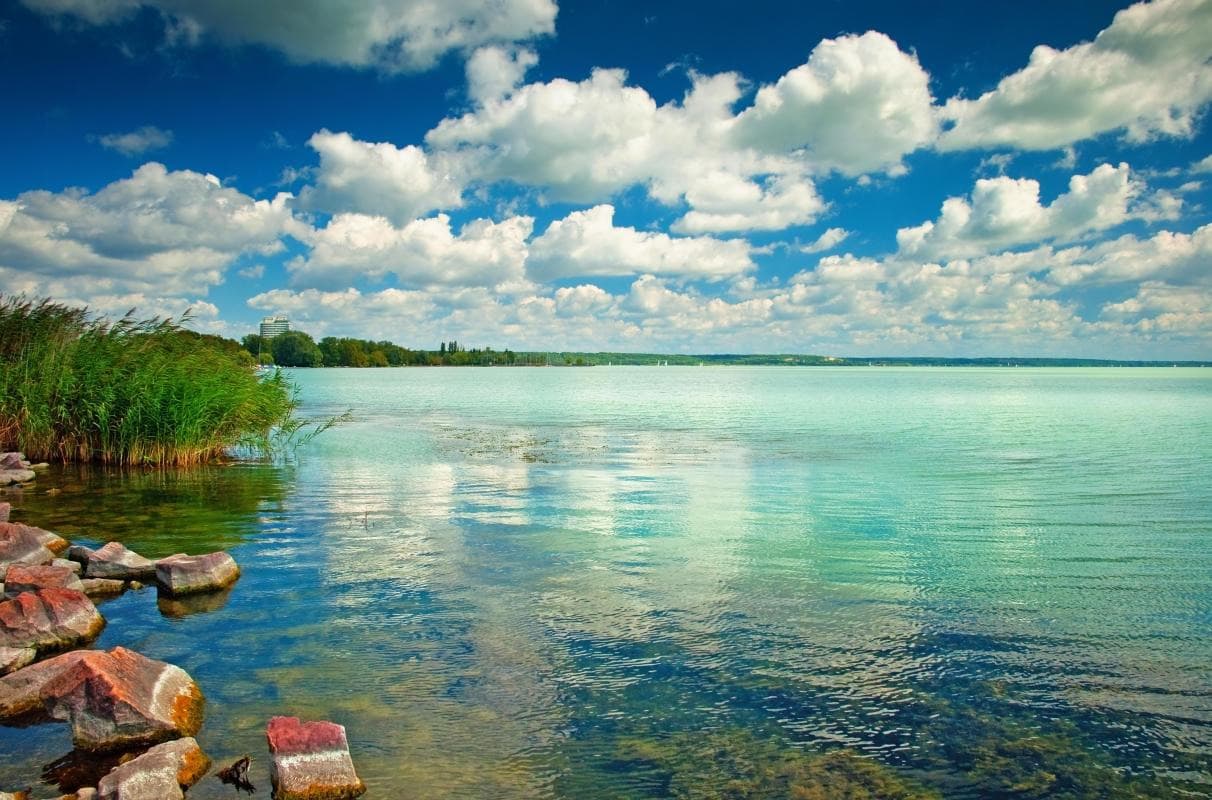
You first notice the lake on the road out of Budapest as a break in the green—an inland sheet of light catching the sun and throwing it back at you. Up close, the water does what the locals call: it breathes. On a wind-stiff morning the surface chases white caps; on summer afternoons it lies like a pale mirror, daring you to shed your shoes and wade in. Lake Balaton is not a dramatic alpine basin; it is a civilized, slow-rolling kind of wild—shallow, wide, and domesticated by wineries, spas and fishing villages that have learned to live on its temper.
Start with the wind. Balaton is long—roughly 77 kilometers from west to east—and surprisingly shallow, averaging about 3.2 meters deep, which is part of what gives it its Mediterranean temperament. A half-day sail across the middle waterline puts you in close conversation with the lake: the breeze tugs at the rigging, sunlight perforates through thermal ripples, and the shoreline—vineyards, reedbeds and the occasional red-tiled church—presents a sequence of intimate, human-scaled scenes rather than raw wilderness. It's why sailing here feels less like conquering and more like joining a conversation between land and water.
History is stitched quietly into this landscape. The Benedictine Abbey of Tihany, founded in 1055, sits on a peninsula that juts into the lake like a weathered thumb, guarding lavender fields and Romanesque stone. Balatonfüred, often called the capital of the lake, has been a spa town and social center since the 18th century; its promenades and classicist villas still hum with the cadence of summer. For centuries this lake has been a crossroads—fishermen, traders and farmers shaping a culture that is direct, convivial and fleet-footed around food and wine.
Geology explains a lot of Balaton's personality. Sediment-filled basins and volcanic hills to the north create shallow shelves and protected coves; the result is a lake that warms quickly in summer and hosts a generous growing season for white grapes such as olaszrizling and furmint. The north shore's basalt cliffs and terraces offer vistas and vineyards; the south shore is flatter, with long sandy beaches and family-friendly resorts. These contrasts make Balaton uniquely suited to day trips from Budapest as well as longer, slow travel where you can pair swims with cellar-door visits.
How this plays out on the ground is what travelers remember. Take a classic day tour: an air-conditioned bus from Budapest in roughly 1.5 hours deposits you in Balatonfüred for a nostalgia-train loop and a one-hour cruise—an introduction to the lake's scale and rhythms. Later, a sweep out to the Tihany Peninsula rewards you with a hilltop view and a visit to the 11th-century abbey. For a more intimate reckoning with Balaton's water, choose a private sailing option. A Scandinavian fast sailboat on a half- to full-day charter will give you space to anchor in a secluded cove, plunge into water that warms faster than any alpine reservoir, then haul anchor and feel the wind push you toward vineyards that slope to the shore.
The lake is also a wine country. The hills of the Tihany Peninsula and the northern shore host small, attentive producers making mineral-driven whites. A combined sailing and wine-tasting day trip is a perfect pairing—salt-damp hair, the scent of lavender, and a local sommelier explaining why the basalt soils give the wine a certain stony lift. Pace your tastings: the shallow water demands respect for afternoon breezes that can stiffen into a chop, and the short fetch means conditions can change quickly.
Practicalities matter here, and Balaton rewards those who prepare. Expect busy summer weekends—book ferries and popular private sails in advance. If you want solitude, travel shoulder season; May and September still offer pleasant water temps and quieter beaches. On the water, life jackets are nonnegotiable, and if you plan to swim from a boat, pick a day with light wind and a sheltered bay. Local operators run everything from one-hour lake cruises to bespoke private tours that include skip-the-line access to Tihany Abbey, so decide whether you want the guided history-and-sips route or a minimalist sail with a picnic.
Sustainability is part of the story, too. Balaton's shallow depth makes it sensitive to nutrient loading and boat wake; responsible operators follow no-wake zones and avoid fragile reedbeds where birds nest. Support small wineries, hire local guides, and leave beaches as you found them. Your choices help preserve the reed-lined coves and the slow, human-scale rhythms that make Balaton special.
This is not a place for high-altitude heroics or route-finding bravado—it's an exercise in timing, weather reading and small pleasures. Rise early to beat the heat and crowds, time a swim for the glassy late afternoon, and leave space in your day for a lakeside meal—fresh fish paprikash, grilled perch, or a simple plate of cold potatoes and tzatziki-style sour-cream dill—and a bottle of local white. Whether you're stepping out from Budapest for a day, charting a private sail with 'Sailing at Lake Balaton' or combining a glass and a glide on the 'Sailing and Wine Tasting Day Trip at Lake Balaton', you'll leave with a practical sense of place and the kind of gentle exhaustion that comes from good weather, good company and a long afternoon on clean water. The lake will still be there tomorrow, breathing softly into another summer day.
Trail wisdom
Small choices, better day.
Book a private sail for flexibility
Choose a private sailing trip to pick your anchor spot for swims and avoid crowded public beaches.
Bring a light wind layer
Even hot summers can have cool, gusty afternoons on the water—pack a windbreaker.
Respect reedbeds and bird nesting zones
Avoid anchoring in reed zones to protect habitat and keep water clarity high.
Time tastings off the water
If planning wine visits, leave a buffer between drinking and sailing; local operators may refuse to sail impaired.
Local knowledge
Read the place, not just the route.
Watch for native species including Great reed warbler, Common tern.
Keep an eye out for wildlife during the transition between areas and habitats. Respect distance guidelines.
Balaton's shallow basin is sensitive to nutrient runoff and boat wake; local groups promote low-wake zones and sustainable viticulture to protect water quality.
Follow the guide's instructions on size limits, ethical handling, and leave-no-trace practices.
The pebble beach at Szigliget with castle views. Small family-run wineries on the Tihany slopes
Locally recommended viewpoints and quiet spots known best to local operators.
Tihany Abbey was founded in 1055 and is one of the oldest continuous religious sites on the lake; Balatonfüred's spa culture dates to the 18th century.
Maritime roots and regional tradition shape the waterways and working coasts.
Seasonal guide
Four versions of the same landscape.
Spring
Best forshoulder-season sailing · lavender blooms beginning · quiet villages
Challengescooler water temperatures · unpredictable winds
Spring brings wildflowers and fewer crowds—expect cooler swims and occasional breezy days ideal for experienced sailors.
Summer
Best forswimming and sunbathing · full-service sailing charters · wine festivals
Challengescrowded weekends · high sun and heat
Peak season offers warm water and nonstop activity; book tours early and plan midweek visits for a quieter experience.
Fall
Best forcellar-door visits · crisp, clear sailing days · photography of color on the hills
Challengesshorter daylight · cooler evenings
Autumn is ideal for vineyard visits and crisp sailing; temperatures drop but the light and fewer tourists are rewards.
Winter
Best foroff-season tranquility · spa towns like Balatonfüred · birdwatching on the shores
Challengeslimited services · cold water, freezing nights
Winter is quiet and atmospheric—many boat operators pause, but shoreline villages offer thermal baths and quiet walks.
Pack with intention
What to bring.
Good to know
Common questions.
Most points on the north shore, like Balatonfüred, are about 1.5 hours by car or bus from central Budapest (roughly 120–140 km depending on route).
Plan the edges
The details that make the day easier.
Lake Balaton is the largest freshwater lake in Central Europe, stretching roughly 77 kilometers from end to end and averaging about 3.2 meters in depth.
Balaton's culinary scene pairs freshwater fish—especially grilled or paprika-seasoned perch—with crisp local whites like olaszrizling; villages host weekly markets where you can buy smoked fish, cheeses and local preserves.
- From Budapest
- ~1.5-hour drive; currency: HUF; languages: Hungarian (English widely spoken in tourism); typical day-trip length: 8–12 hours; boating: private and shared options available.
Choose operators that follow no-wake rules and support local wineries practicing sustainable viticulture; avoid anchoring in reedbeds to protect bird habitat.
Explore by topic
Follow the threads.
Keep exploring
Make the story part of the trip.
Set out from Bass Harbor for a private, customizable day on Blue Hill Bay — lighthouses, puffins, seals, and the chance to feel Acadia from the water. Small groups, local captains, unforgettable views.
In four hours you can move from shaded canyon ferns to wind-scoured coastal ridgelines, guided by someone who knows where the light—and the hidden views—live. This private half-day hike on the Monterey Peninsula or Big Sur is compact, curated, and perfect for travelers who want depth without a multiday commitment.
 Related story
Beneath a sky of shifting light, Skaftafell’s ice reads like a map of time. This three-hour guided glacier hike mixes technical instruction with geology and culture: compact, safe, and unforgettable.