
What the day feels like
The path up to the Jardin Exotique begins with a slow reveal: a narrow lane, a curve of terraced stone, then suddenly the city drops away and a wall of spines and thick leaves appears like a small, cultivated desert clinging to the rock. From the garden’s terraces you don’t look out over a meadow—you look down. The principality’s red roofs, chrome yachts and the curve of the Mediterranean sit beneath you while the succulents climb toward sun that seems closer here, as if the sea nudges the climate a degree warmer and the plants lean into it.
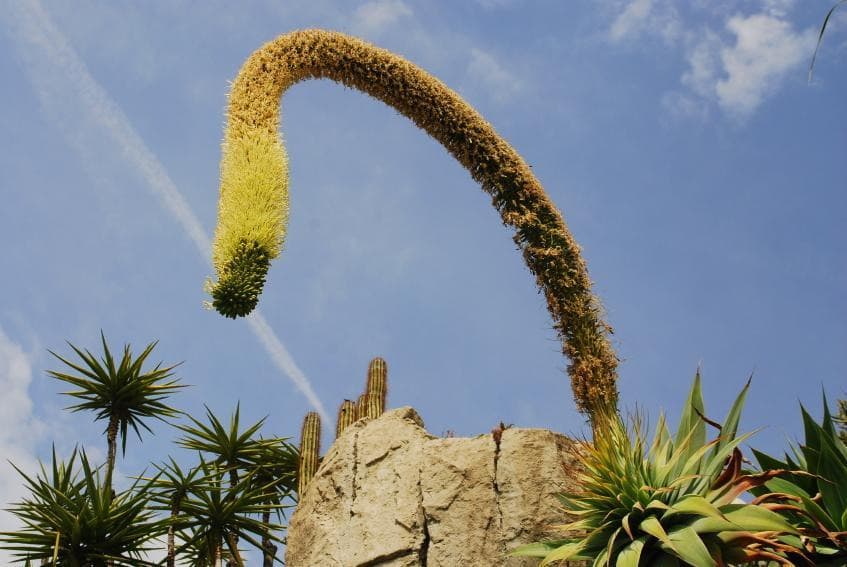
Monaco’s Exotic Garden is less a manicured park than a living cabinet of curiosities—pocketed terraces where agaves and aloes, euphorbias and prickly pears collect into dense, sculptural groups. The garden is a counterpoint to the polished glamour of the Casino and the harbor: green austerity rather than gilt; an environment that teaches resilience, water-thrift and architectural elegance in thorn and thick stem.
Geology is a central actor. The garden sits on a limestone escarpment known as the Rock of Monaco. The porous stone, carved by Mediterranean rains, hosts an unexpected feature: the Grotte de l’Observatoire, a prehistoric cave and a cool subterranean surprise you can visit on guided tours. From the terraces, you can feel the cliff’s story in your boots—strata layered like pages in a travel diary—while the breeze off the sea composes a constant, low counterpoint.
The Exotic Garden’s collection reflects both imperial-era plant hunting and modern botanical curation. Many specimens arrived in the late 19th and early 20th centuries, when the Mediterranean climate made Monaco a hub for acclimatizing exotic plants from Africa, South America and the Canary Islands. Today the garden also functions as an urban refuge: a place where locals escape the tourist throng, pensioners stroll at midday and photographers chase light and shadow across sculpted succulents.
There’s a practical rhythm to visiting. The garden itself is compact—plan on 60–90 minutes if you’re moving deliberately. Paths are stone and often narrow with steps; sections are terraced and may feel steep if you’re carrying a pack. Nearby, the Oceanographic Museum and the Prince’s Palace of Monaco are short walks, which makes the garden a perfect anchor for a half- or full-day walking loop through Monaco-Ville. For travelers who want context and stories, booking a private walking tour is a smart move: an expert guide can thread the garden into Monaco’s broader narrative—royal history, the maritime legacy of the Oceanographic Museum, and the city-state’s unique urban fabric.
If you care about photographs, consider hiring a personal travel photographer available in Monaco; they’ll know the light, the best viewpoints and how to isolate your moment from the tourist bustle. Early morning or late afternoon light is magic here: the spines cast long shadows and the sea becomes a muted turquoise backdrop, perfect for portraits and wide-angle compositions.
Practicalities are straightforward but worth noting. The garden is open most of the year, though hours vary by season. Wear shoes with grip: stairs and limestone paths are charming, not forgiving. Water and shade options are limited; pack a refillable bottle and a sun hat in summer. The elevation isn’t extreme, but the climb up to the garden from the lower harbor areas is noticeable—if you prefer to conserve energy, local buses and brief taxi rides are available.
Combine the Jardin Exotique with a walking tour of Monaco-Ville to unlock local lore and off-the-beaten-track viewpoints. Guided walks typically include the Prince’s Palace, the Oceanographic Museum and the Jardin Japonais de Monaco, linking green spaces with monuments and seaside promenades. A private guide can pace the day to your rhythm, suggest restaurants and call taxis, while a photographer ensures you leave with memorable images rather than blurry selfies.
For the adventurous planner: timing matters. Spring offers brisk mornings and succulents in fresh growth; summer delivers dramatic light and clear sea views but requires sun preparation; autumn calms tourist density while keeping mild weather; winter is quiet and intimate—some horticultural interest continues thanks to Monaco’s mild microclimate, but certain guided services may be limited.
Why go? The Exotic Garden rewards focus. It’s where the Mediterranean’s austerity meets botanical eccentricity and where you can stand on a cliff and watch a tiny country make the sea part of its daily geometry. For travelers who want something different than a museum or a marina, the garden is a concentrated dose of place—horticultural, geological and cultural. Pair it with a walking tour to understand Monaco’s layers, or hire a photographer and let the garden deliver keepsakes that actually feel like the trip.
Plan to move slowly, look closely, and leave the plants undisturbed. The garden’s stories—of explorers who imported distant plants, of limestone caves and of a principality that uses every square meter—are best experienced with a pair of steady shoes and patience for detail.
Trail wisdom
Small choices, better day.
Go early or late
Visit at opening or in late afternoon to avoid crowds and capture the best light for photos.
Wear grippy shoes
Stone steps and steep terraces reward stable footwear—avoid slick soles.
Bring water and sun protection
Shade is limited on the terraces; summer heat can be intense even with sea breezes.
Combine with a guided walk
Book a private walking tour to connect the garden with Monaco’s history and nearby sights efficiently.
Local knowledge
Read the place, not just the route.
Watch for native species including Mediterranean lizards, Seabirds such as gulls and occasional terns.
Keep an eye out for wildlife during the transition between areas and habitats. Respect distance guidelines.
The garden emphasizes plant conservation and water-wise landscaping—stay on paths and avoid touching rare specimens to protect fragile collections.
Follow the guide's instructions on size limits, ethical handling, and leave-no-trace practices.
Grotte de l’Observatoire (guided cave tours). Small panoramic terrace facing Cap-Ferrat—less frequented at sunset
Locally recommended viewpoints and quiet spots known best to local operators.
Established in the early 20th century as a botanical acclimatization site, the Exotic Garden reflects Monaco’s role in Mediterranean horticultural exchange and includes the prehistoric Grotte de l’Observatoire.
Maritime roots and regional tradition shape the waterways and working coasts.
Seasonal guide
Four versions of the same landscape.
Spring
Best forsucculent growth · comfortable walking · fewer crowds
Challengesintermittent rain · cool mornings
Spring offers mild temperatures and fresh growth in the collection—ideal for strolling and macro photos.
Summer
Best forclear skies · vibrant light · extended hours
Challengesstrong sun · peak tourism · limited shade
Summer delivers stunning sea vistas and strong sunlight—prepare with sun protection and water.
Fall
Best formilder crowds · warm afternoons · photography
Challengesshorter days · occasional storms
Autumn keeps pleasant temperatures and thinning crowds, making it a calm time to explore.
Winter
Best forquiet visits · moss and texture studies · off-season perspective
Challengesreduced services · cooler weather
Winters are mild but quieter; guided cave tours or seasonal services may be limited—check ahead.
Pack with intention
What to bring.
Good to know
Common questions.
Plan 60–90 minutes for a focused visit; combine with other Monaco-Ville sites for a half- or full-day itinerary.
Plan the edges
The details that make the day easier.
The Jardin Exotique de Monaco contains one of Europe’s largest collections of succulents and includes the Grotte de l’Observatoire, a prehistoric cave open for guided visits.
Monaco pairs haute cuisine with Niçoise traditions—try local specialties like barbagiuan (savory fried pastries) in old-town bistros after your garden visit; the principality’s compact size makes it easy to sample fine dining and small-market stalls in one afternoon.
- Know-before-you-go
- 1–2 hours on-site; stone steps and terraces; limited shade and water points; combine with Oceanographic Museum and Prince’s Palace; guided tours and photography services available; check seasonal hours.
Respect plant collections by staying on marked paths, avoid picking or touching specimens, and support local conservation efforts by choosing guided services that contribute to site maintenance.
Explore by topic
Follow the threads.
Keep exploring
Make the story part of the trip.
Set out from Bass Harbor for a private, customizable day on Blue Hill Bay — lighthouses, puffins, seals, and the chance to feel Acadia from the water. Small groups, local captains, unforgettable views.
In four hours you can move from shaded canyon ferns to wind-scoured coastal ridgelines, guided by someone who knows where the light—and the hidden views—live. This private half-day hike on the Monterey Peninsula or Big Sur is compact, curated, and perfect for travelers who want depth without a multiday commitment.
 Related story
Beneath a sky of shifting light, Skaftafell’s ice reads like a map of time. This three-hour guided glacier hike mixes technical instruction with geology and culture: compact, safe, and unforgettable.