
What the day feels like
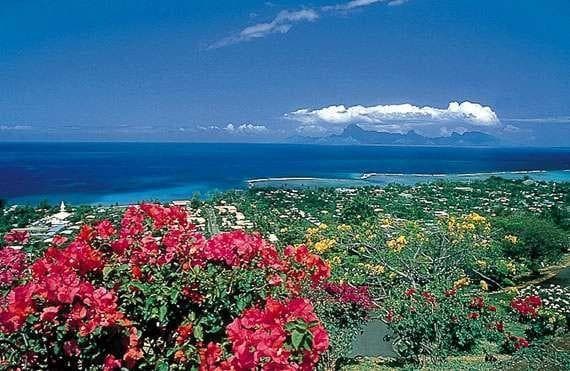
You arrive at first light on the southern coast of Tahiti and the island presents itself like a story that’s been running for millions of years: a spine of volcanic ridges wrapped in cloud, a rim of black sand and surf, and a lagoon the color of broken aquamarine. In Papaeari, the world simplifies — the sounds are a chorus of birds and surf, the air smells like salt and gardenia, and even the road seems to have a pace of its own. A local guide folds a map into the shape of a narrative: we’ll cross the isthmus, slip into the east coast’s wilder coves, feed the eels at an ancestral garden, then climb a viewpoint where the island opens into the Pacific.
This is not a checklist trip. Circle-island tours that use Papaeari as a waypoint are about layering context on top of scenery: the human history held in marae (sacred stone temples), the volcanic forces that tore the island up and left black sand beaches in their wake, and the daily rhythms of Polynesians who still fish, plant and sing here. Guides like Lydia — who has lived on Tahiti since the 1990s — do more than point and pose; they stitch together language, lore and geology into a one-day education that lands you on a beach with an understanding of why the place feels the way it does.
Geology shapes everything in Papaeari. Tahiti is an uplifted volcanic island with steep, rain-pocked ridgelines that drop quickly toward the sea. The black sand at the foot of many beaches is the island’s signature: ground lava that was pulverized by surf into a dark, sensual shoreline. Drive slowly along the coastal road and you’ll see where lava flows met reef and ocean, where the reef still tries — valiantly and visibly — to hold back the sea. Watch the surf at Teahupoo, to the west: it’s one of the world’s most powerful right-hand breaks, a reminder that the ocean here is an active, breathing thing.
History is tangible. Pointe Vénus, a short drive from Papaeari, is where Captain James Cook anchored in 1769 to observe the transit of Venus; the site is now marked by a lighthouse and a quiet beach that begs you to pause. Marae such as Arahurahu are stone pages of pre-European Polynesian ritual life — social, religious, and agricultural networks carved in basalt. At Vaipahi Water Gardens and Mara’a Grotto you walk paved or compacted paths beneath fern canopies and past pools that have been tended for centuries; the work of keeping these gardens viable crosses the line between nature and culture.
Culturally, the island is generous. You’ll meet fishermen mending nets under a banyan’s shade, surfers loading into boats for a short run to Teahupoo’s outer reef, and market vendors in Papeete offering poisson cru, the Tahitian raw fish salad dressed in coconut milk and lime. Local guides will often offer seasonal fruit and small personal histories — an essential corrective to the postcards on sale at the airport.
How to experience Papaeari and its surroundings practically: most guided circle-island tours run as full-day experiences — plan on eight hours in the van with intermittent short hikes — or half-day options that last roughly five hours and focus on one coast. Small-group tours limit numbers to seven or fewer and offer more frequent stops; private tours run eight hours but are tailored for photographers and families who want to linger longer at waterfalls or marae. Road conditions are generally paved around the island but narrow in places; many natural sites require short walks on slippery rock or muddy trails, so sensible footwear matters.
Expect a mix of easy boardwalk-style strolls — Vaipahi’s gardens are a gentle loop you can do in about 30 minutes — and brief, steeper hikes to lookouts that might take 15–45 minutes and require sneakers or light hiking boots. If you’re eyeing the east coast waterfalls (Te Fa’aurumai), bring a towel and a swimsuit; pools are often swim-friendly for a quick dunk after the walk. For photographers: golden hour at a black-sand beach is cinematic; mid-morning light is best for inland greens and waterfalls.
A few practical notes that matter: bring reef-safe sunscreen (coral is fragile), hydrate — guides often supply water but plan for a full bottle for the day — and carry cash for small purchases and boat rides (some Teahupoo boat runs charge a captain’s fee on the day). If you’re interested in surf viewing or a boat ride to the Teahupoo line-up, ask ahead: those boat trips are weather-dependent and may carry an additional small fee.
Why travelers should go: Papaeari is a gateway for a complete, compact Tahiti experience. It’s where geology, culture and sea come together in one manageable day. The region rewards curiosity — those who ask about plants, rocks and place will leave with an armful of stories and a better sense of what the islands really are: living landscapes shaped by fire and tide, and by people whose practices persist. For anyone who thinks Tahiti is only overwater bungalows and infinity pools, a slow circuit through Papaeari will reset expectations.
If you’re planning the day, aim for the dry season for easier road and trail conditions, book a private or small-group guide if you want depth, and combine a morning of cultural sites with an afternoon waterfall or coast walk to keep the day varied. Walk softly; move deliberately; and listen. The island’s voice is not loud, but it’s steady. It will tell you where to stand.
Trail wisdom
Small choices, better day.
Bring reef‑safe sunscreen
Coral here is fragile; use reef-safe sunscreen before any beach or snorkel stops to protect the lagoon ecosystems.
Wear grippy shoes
Expect wet, slippery rocks at grottoes and short waterfall trails—light hiking shoes or trail runners make the difference.
Carry small cash
Many local vendors and boat captains prefer cash for snacks, market goods, or optional boat runs to Teahupoo.
Plan for an 8‑hour day
Full circle-island tours are typically eight hours with multiple short walks—book a private tour if you want to linger longer at photo stops.
Local knowledge
Read the place, not just the route.
Watch for native species including Green sea turtle (ra’i), Frigatebird.
Keep an eye out for wildlife during the transition between areas and habitats. Respect distance guidelines.
Support local guides and reef‑safe practices; avoid stepping on coral, take all trash with you, and consider choosing operators who contribute to community conservation efforts.
Follow the guide's instructions on size limits, ethical handling, and leave-no-trace practices.
Mara’a Grotto — a cooling forest cave with easy access and significant cultural context. Small roadside fruit stands near the east coast that sell seasonal tayota and mangoes
Locally recommended viewpoints and quiet spots known best to local operators.
Pointe Vénus near Papaeari is where Captain James Cook observed the 1769 transit of Venus; the area contains several restored marae that predate European contact.
Maritime roots and regional tradition shape the waterways and working coasts.
Seasonal guide
Four versions of the same landscape.
Spring
Best forBlooming tropical gardens · Fewer afternoon showers · Good surf viewing
ChallengesOccasional heavy rain · Sticky humidity
Spring (Southern Hemisphere spring months) brings lush growth and intermittent showers—days are warm with sporadic heavy downpours.
Summer
Best forLarger swell for surfers · Lush inland waterfalls · Vibrant village life
ChallengesHigher rainfall and humidity · Rougher sea conditions
Summer is warm and wetter; ocean conditions can be rough, making boat excursions more dependent on weather.
Fall
Best forClear lagoon water · Comfortable daytime temperatures · Less crowded beaches
ChallengesTransition rains possible · Variable surf
Fall offers stable weather and clear visibility in the lagoon—good for coastal drives and short swims.
Winter
Best forDrier roads and trails · Comfortable hiking · Consistent light for photography
ChallengesCooler nights · Occasional trade winds
Tahiti’s drier months (local “winter”) provide the most reliable conditions for long circle-island days and hiking.
Pack with intention
What to bring.
Good to know
Common questions.
Full private circle‑island tours run about eight hours; half‑day options are roughly five hours focusing on one coast.
Plan the edges
The details that make the day easier.
Pointe Vénus, close to Papaeari, is where Captain James Cook observed the transit of Venus in 1769 — a notable event in scientific and navigational history.
Taste poisson cru at a seaside restaurant, buy tiare-scented monoi oil at a roadside stall, and look for local markets in Papeete selling vanilla and tropical fruit.
- Getting there
- 40–60 minute drive from Papeete depending on traffic; Duration: 5–8 hours for most tours; Best for: cultural context + photo stops; Bring cash and reef‑safe sunscreen.
Choose guides who practice Leave No Trace, avoid single‑use plastics, and use reef‑safe products; support community-run sites and respect marae boundaries.
Explore by topic
Follow the threads.
Keep exploring
Make the story part of the trip.
Set out from Bass Harbor for a private, customizable day on Blue Hill Bay — lighthouses, puffins, seals, and the chance to feel Acadia from the water. Small groups, local captains, unforgettable views.
In four hours you can move from shaded canyon ferns to wind-scoured coastal ridgelines, guided by someone who knows where the light—and the hidden views—live. This private half-day hike on the Monterey Peninsula or Big Sur is compact, curated, and perfect for travelers who want depth without a multiday commitment.
 Related story
Beneath a sky of shifting light, Skaftafell’s ice reads like a map of time. This three-hour guided glacier hike mixes technical instruction with geology and culture: compact, safe, and unforgettable.