
What the day feels like
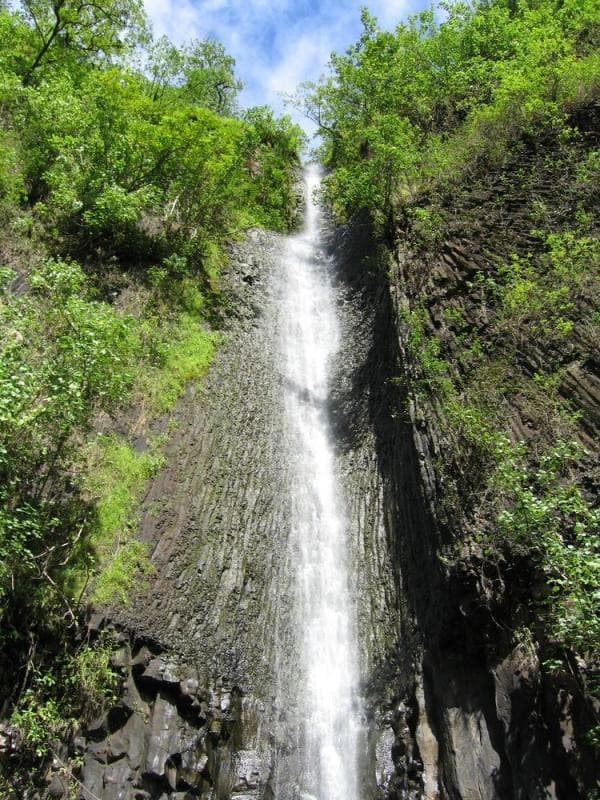
The path begins under a canopy that smells of rain and green—ferns unbuttoning themselves, breadfruit leaves dripping, and a chorus of birds that punctuate the humid air. You feel the island compress and deepen around you; the low hum of the road fades, replaced by water, first distant and then impossible to ignore. By the time you round the last stand of tamanu trees, the falls reveal themselves in a single vertical breath: a white rope of water carving a dark rock face, plunging into a calm, jade pool that looks too still to be real. Welcome to Afareaitu Waterfalls, one of Moorea’s most rewarding short hikes, where the island’s volcanic bones and Polynesian history meet in a splash of freshwater and cooling mist.
Afareaitu sits on Moorea’s eastern flank, in a valley that was cut by streams running off the island’s volcanic ridges. Moorea itself is a young shield volcano—geologically speaking—shaped by successive eruptions and later sculpted by rain and reef. The waterfalls are the island’s way of reminding you how recent and raw that geology still feels: channels carved into basalt, terraces where the stream slows and pools, mosses that map every season the way a tree rings time.
The site is less an engineered attraction than a neighborhood resource. Local families, farmers, and a small community centered in the village of Afareaitu have long used the streams for taro cultivation and freshwater. That human relationship with the land softens the visit—you’re not just observing nature, you’re passing through a landscape shaped by generations of daily life. On a morning walk you might pass a farmer carrying poi, or children racing toward the falls after school; on a quieter afternoon you’ll find the pool nearly to yourself, the sound of the drop amplifying like a heartbeat.
For travelers, Afareaitu is an accessible splash of true island adventure. The trail is short—about 2–3 kilometers round-trip—with roughly 150–250 meters of elevation change depending on which viewpoint you choose. It’s a hike that fits neatly into a day of island exploration: combine it with a circle drive, a visit to a marae (ancient Polynesian temple), or a snorkeling stop on Moorea’s famed pinnacles. The physical demand is moderate—steep in sections, muddy after rain, rooted in places—but nothing technical. The payoff is immediate: the falls are not just scenic but swimmable (take care around currents and submerged rocks), and there’s a quiet of the kind that homes in on details: the way water beads on a pandanus leaf, the gleam of a crab, the orchestral rasp of cicadas overhead.
Practical details matter here. The trailhead is reached from the coastal road that runs through Afareaitu village; parking is limited and often informal. A local guide is not required, but hiring one supports community livelihoods and adds context—guides point out native plants, explain the valley’s agricultural history, and show safer entry points into the pool. Bring shoes that grip—light hiking shoes or trail runners with tread—and expect slick rock near the water. Sunscreen and reef-safe insect repellent are essentials; the latter keeps the midges from turning a calm swim into an itchy affair.
When to go: Moorea’s dry season (May through October) gives the most reliable trail conditions, with cooler mornings and fewer leeches in the undergrowth. Even so, rain can be sudden and heavy; on wet days the falls are louder and the pools fuller, but the approach becomes a lesson in traction. For photography, aim for the soft light of early morning or the warmer palette of late afternoon—midday can flatten the depth of the canyon’s tones.
Culture and conservation are part of the experience. Moorea’s valleys are dotted with marae—sacred communal sites where stone platforms and upright slabs mark precontact social life. While Afareaitu’s waterfalls draw modern visitors, the land itself is historically significant, a place of agriculture and ritual. For conservation, simple rules make a big difference: avoid soaps and sunscreens in the pool, pack out all trash, and respect private property near the trailhead. Several community-led efforts on Moorea focus on invasive species management and water quality—supporting local guides and small businesses funnels tourism dollars toward those efforts.
The Afareaitu hike is, in short, a compact, richly layered experience. It’s the kind of outing that rewards curiosity: a quick bird check can turn into a botany lesson; a swim becomes a respite that rewinds the day. For families it’s a memorable introduction to tropical waterfalls; for experienced hikers it’s a good half-day waypoint between more strenuous ridgeline routes. Either way, the island asks only that you arrive with good shoes, a respect for the place, and the patience to let the falls work their particular brand of calm.
If you go, time your visit. Stay long enough to watch the light change across the pool, listen for the freshwater crabs scrabbling along the margins, and, perhaps, talk to someone from Afareaitu village. The falls are not an isolated postcard; they’re a working part of Moorea’s living landscape—and in that interchange of water, geology, and human care, you’ll find the island’s best kind of story.
Trail wisdom
Small choices, better day.
Wear grippy footwear
Trail shoes or trail runners with good tread are essential—rock and roots get slippery, especially after rain.
Bring reef-safe sunscreen
No soaps or sunscreens in the pool; use reef-safe products and apply before getting in to protect coral and water quality.
Hire a local guide if you can
Guides enhance safety, point out cultural sites, and contribute directly to the local economy.
Avoid peak midday heat
Start early or late afternoon to dodge the strongest sun and to catch the best light for photos.
Local knowledge
Read the place, not just the route.
Watch for native species including Pacific pigeon (manu’o) and various kingfishers, Freshwater crabs and native dragonflies around the pool.
Keep an eye out for wildlife during the transition between areas and habitats. Respect distance guidelines.
Avoid bringing soaps into the water and pack out waste; supporting local guides helps fund community-led efforts to protect water quality and native vegetation.
Follow the guide's instructions on size limits, ethical handling, and leave-no-trace practices.
Small side pools upstream where locals cool off—shallow and calmer for kids. A short detour to nearby stone marae sites that reveal pre-European island life
Locally recommended viewpoints and quiet spots known best to local operators.
Afareaitu valley has long been used for taro cultivation and freshwater collection by Moorea’s communities; stream management shaped agricultural terraces.
Maritime roots and regional tradition shape the waterways and working coasts.
Seasonal guide
Four versions of the same landscape.
Spring
Best forWildflowers and lush foliage · Quieter trails · Cool mornings
ChallengesIntermittent showers · Muddy sections
Spring (Sept–Nov in the Southern Hemisphere) brings vibrant vegetation and fewer visitors, but expect occasional rain that can make the trail slick.
Summer
Best forWarm swims · Longer daylight hours · Combining with snorkeling trips
ChallengesHeavier rains and flashier falls · More mosquitoes
Summer months are warmer and good for swimming, but sudden rain can raise water levels and make approaches muddier.
Fall
Best forClearer views after afternoon rains · Bird activity · Comfortable hiking temperatures
ChallengesVariable trail conditions · Potential for land runoff after storms
Fall often delivers balanced hiking weather—cooler air with occasional rains that heighten the waterfall’s flow.
Winter
Best forDry trails and stable footing · Less humidity · Ideal photography light
ChallengesCooler water temperatures for swimming · Higher demand from visitors during dry-season peak
Winter (May–October) is Moorea’s dry season—typically the best time for steady trail conditions and more comfortable hiking.
Pack with intention
What to bring.
Good to know
Common questions.
Yes, swimming in the plunge pool is common, but check current conditions—strong flows, submerged rocks, or debris after heavy rain can make swimming unsafe.
Plan the edges
The details that make the day easier.
Moorea is a volcanic island born from shield volcano eruptions roughly 1.5 to 2 million years ago—its valleys and waterfalls are direct results of erosion cutting into those volcanic flows.
Pair your visit with a lunch of poisson cru (Tahitian raw fish in coconut milk) at a roadside fale; buy a pareo from a village vendor and ask about local stories connected to the valley.
- Trailhead
- Afareaitu village; Distance: ~2–3 km round-trip; Time: 1–2 hours; Difficulty: Moderate; Entry: No formal fee; Guides: Available locally.
Minimize impact by staying on trails, avoiding soaps in freshwater, using reef-safe sunscreen, and hiring local guides who reinvest in land stewardship.
Explore by topic
Follow the threads.
Keep exploring
Make the story part of the trip.
Set out from Bass Harbor for a private, customizable day on Blue Hill Bay — lighthouses, puffins, seals, and the chance to feel Acadia from the water. Small groups, local captains, unforgettable views.
In four hours you can move from shaded canyon ferns to wind-scoured coastal ridgelines, guided by someone who knows where the light—and the hidden views—live. This private half-day hike on the Monterey Peninsula or Big Sur is compact, curated, and perfect for travelers who want depth without a multiday commitment.
 Related story
Beneath a sky of shifting light, Skaftafell’s ice reads like a map of time. This three-hour guided glacier hike mixes technical instruction with geology and culture: compact, safe, and unforgettable.