
What the day feels like
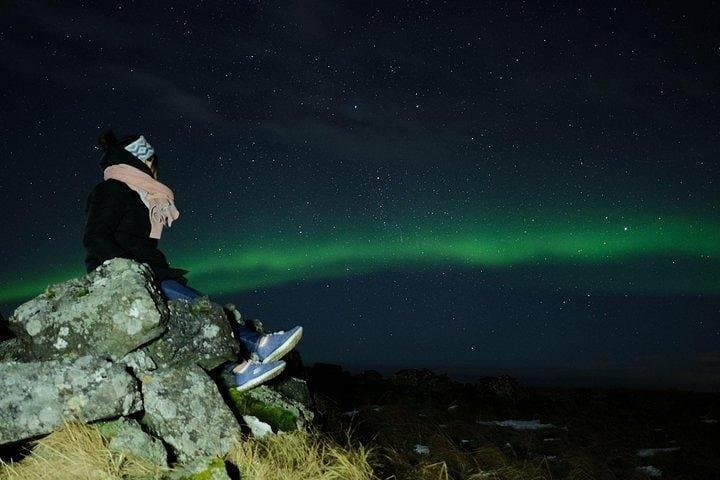
The night arrives like a soft exhale over the lava fields west of Reykjavik: low, clean air, a slate-black sky punctured by stars. You settle into a canvas chair and the guide hands you a steaming cup—hot chocolate, tea, or something with a quiet kick—while the van’s engine cools and the small group spreads out into the hush. This is the slow, deliberate beginning of a hunt that asks you to wait, watch, and then, sometimes, to forget time entirely when the sky swells. On this private four-hour outing, the hunt is personal: a professional photographer reads the aurora forecasts, scouts the horizon for cloud breaks, and composes frames so that when the sky performs, you don’t only see it—you bring it home in a keepable image.
There’s practical magic to the experience. Iceland sits beneath the auroral oval—the ring of frequent auroral activity circling the pole—so geomagnetic storms often paint visible arcs overhead during the dark months. The country’s raw geology—young lava fields, scattered ponds, and open horizons—offers clean foregrounds; the black basalt gives the lights a stage. Icelanders have long read the sky for stories: sagas describe omens in celestial events, and modern photographers translate solar wind and magnetometer graphs into routes and vantage points. On this tour the science meets hospitality: the guide tracks solar wind and cloud cover via live feeds, then drives you out of town to darker skies, sets up chairs and lights a small, careful camp of warm beverages and camera gear, and helps with composition and exposure.
It’s not a hike or an expedition so much as an intimate night session. The itinerary is simple—pickup in Reykjavik, a 20–90 minute drive depending on conditions, then stationing at a chosen dark site for two to three hours of observation and photography. The private format matters: with only your group there’s more flexibility to chase clearing skies, and the professional photographer will shoot images on your behalf and coach you how to get better frames—including advice on foreground elements like a lone fence, a reflective pool, or a silhouette of distant mountains.
For travelers who consider themselves serious about photos, this tour is a tidy compromise between comfort and challenge. You’ll need patience and a tolerance for cold: the aurora often arrives in bursts, sometimes relentless and other times flirtatious. The operator’s promise to cancel and refund if conditions are poor is an important hedge against the frustrations of Northern Lights tourism; equally appealing is the guarantee of a free second attempt if clouds steal the show on your night out.
Practicalities tighten the joy. Dress in layers—merino base, insulating mid-layer, and a windproof shell—plus warm gloves and winter boots; batteries die faster in the cold and fingers go numb while fiddling with camera dials. Bring a tripod if you have one; the guide will lend tips and, in many cases, professional equipment. The photographer will recommend starting settings—wide aperture, 10–20 second exposures and ISO adjusted to the brightness—but the real lesson is in experimentation: nudge exposures, bracket ISO, and change composition as the sky changes. Keep your expectations flexible: a faint green bow can be as haunting as an all-night curtain of color, and often the moments that most travel beyond memory are small: a single column rising like breath, a vivid ripple that leaves you laughing in the dark.
Cost reflects the private, photographer-led nature of the tour. The listed rate is for the group; if you’re traveling with friends or family and want a bespoke night that includes professional photos and heated drinks, it can be an efficient way to splurge for lasting images. As with any aurora tour, timing is part of the plan: the darkest months—late September through early April—offer the best odds. But good geomagnetic conditions can surprise in shoulder seasons, and the longer twilight of March often delivers dynamism with less bone-deep cold.
Beyond the lights, there’s a cultural aftertaste. Return to Reykjavik and you’ll find late-night cafés and small-bars still open, serving lamb soup, rye breads, and compact, excellent craft beers. The city’s human scale—bookstores, salt-scented harbors, low-key music venues—makes for easy decompression after a long night outside.
If you go, pick a private night when you can be flexible; choose a guide who reads solar data as well as the sky; charge your camera batteries and your phone; and be prepared to trade the manicured expectation of a perfect show for a quieter, more poetic version of weather and space meeting in lonely light. When the aurora opens above you, it will feel like a private conversation with the planet—one best experienced with good coffee, a steady tripod, and someone who knows where to stand.
Trail wisdom
Small choices, better day.
Layer for long nights
Base, insulating mid-layer, and a windproof outer shell let you stay comfortable when temperatures dip during long exposures.
Bring a tripod
Long exposures are essential for aurora photography—stable support beats higher ISO every time.
Warm drinks and snacks
Hot beverages and small snacks keep energy up; the operator supplies drinks but bring personal favorites if you need extras.
Charge spare batteries
Cold drains batteries fast—carry spares in an inner pocket and rotate them into the camera as needed.
Local knowledge
Read the place, not just the route.
Watch for native species including Arctic fox (rare), Varied seabirds along the coast.
Keep an eye out for wildlife during the transition between areas and habitats. Respect distance guidelines.
Minimize light pollution by using red lights and avoid trampling moss or driving off established roads; local operators follow rules to protect fragile volcanic soils.
Follow the guide's instructions on size limits, ethical handling, and leave-no-trace practices.
Small geothermal lagoons outside the busiest areas for steamy foreground reflections. Black-sand beach viewpoints that create dramatic silhouettes beneath auroras
Locally recommended viewpoints and quiet spots known best to local operators.
Icelandic folklore ties celestial lights to old sagas and seafaring omens; modern aurora viewing became popular as tourism grew in the 20th century.
Maritime roots and regional tradition shape the waterways and working coasts.
Seasonal guide
Four versions of the same landscape.
Spring
Best forLonger twilight windows · Fewer extreme cold nights
ChallengesUnpredictable cloud cover · Late-season daylight reducing hours of darkness
Early spring (March) offers a sweet spot: milder temperatures and still-long nights that make aurora watching more comfortable with continued good odds.
Summer
Best forMidnight sun photography on rare clear nights · Milder temperatures
ChallengesToo much daylight—auroras are rarely visible · Limited dark hours
Summer is generally poor for aurora viewing near Reykjavik because of extended daylight; only strong geomagnetic events show up and then only late at night.
Fall
Best forClear, crisp nights · Early darkness once autumn settles
ChallengesChanging weather and increasing cloudiness · Unpredictable wind-driven storms
Autumn evenings are increasingly dark and often clear—great conditions if you catch a dry spell between Atlantic systems.
Winter
Best forPeak aurora season · Longest hours of darkness
ChallengesSevere cold, ice on roads · Possible transport delays due to weather
Winter provides the strongest chances to see the aurora, but dress warmly and expect variable travel times due to snow or high winds.
Operator details
What the booking data adds.
Included
- ✓Photographs of you and the lights
- ✓Hot chocolate
Good to know
- ✓Public transportation options are available nearby
- ✓Suitable for all physical fitness levels
- ✓Dress warm, in many cases, we will be standing outside in the cold waiting for the lights to show up, standing motionless in the Icelandic night with perhaps a wind chill will take the fun out of even great northern lights
- ✓Northern lights do look more green and vivid on photographs.
- ✓The price of the tour is the same, when the lights are weak and when they are strong.
- ✓Due to nature of the tour being dependent on cloud cover and various space weather data, many nights will be canceled
Pack with intention
What to bring.
Good to know
Common questions.
No tour can guarantee auroras; the operator maximizes chances via real-time forecasting and dark-site choices, and offers a refund or free rebooking if conditions make viewing unlikely.
Plan the edges
The details that make the day easier.
Iceland lies beneath the auroral oval, the zone of frequent auroral activity driven by interactions between the solar wind and Earth’s magnetosphere—making it one of the best places in the world to see the Northern Lights.
After the tour, head back to Reykjavik for lamb soup or a late-night pastry at Brauð & Co., then a beer at Skúli Craft Bar or a warming drink at Kaffibarinn—Reykjavik’s compact dining scene makes late returns easy.
- Closest airport
- Keflavik International (KEF). Typical pickup: central Reykjavik. Driving to dark sites: 20–90 minutes. Cell service: good near towns, variable at remote sites. Permits: none required for standard viewing locations.
Respect low-light rules: use red lights, stay on marked access routes, and avoid disturbing fragile moss and volcanic soils; pack out all trash.
Explore by topic
Follow the threads.
Keep exploring
Make the story part of the trip.
Set out from Bass Harbor for a private, customizable day on Blue Hill Bay — lighthouses, puffins, seals, and the chance to feel Acadia from the water. Small groups, local captains, unforgettable views.
In four hours you can move from shaded canyon ferns to wind-scoured coastal ridgelines, guided by someone who knows where the light—and the hidden views—live. This private half-day hike on the Monterey Peninsula or Big Sur is compact, curated, and perfect for travelers who want depth without a multiday commitment.
 Related story
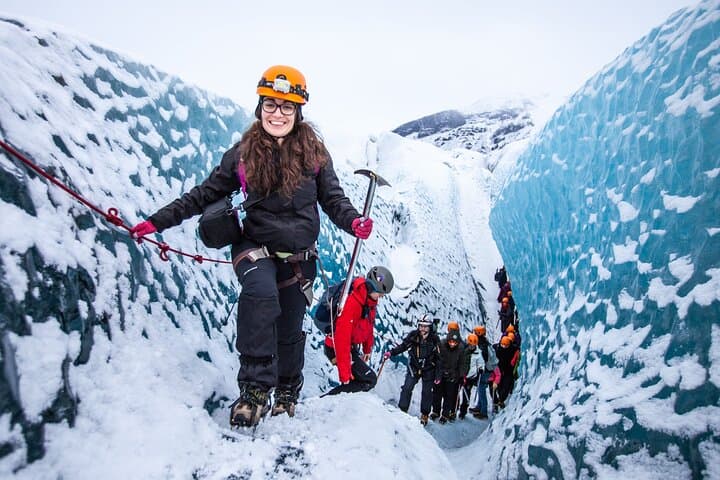
Beneath a sky of shifting light, Skaftafell’s ice reads like a map of time. This three-hour guided glacier hike mixes technical instruction with geology and culture: compact, safe, and unforgettable.