
What the day feels like
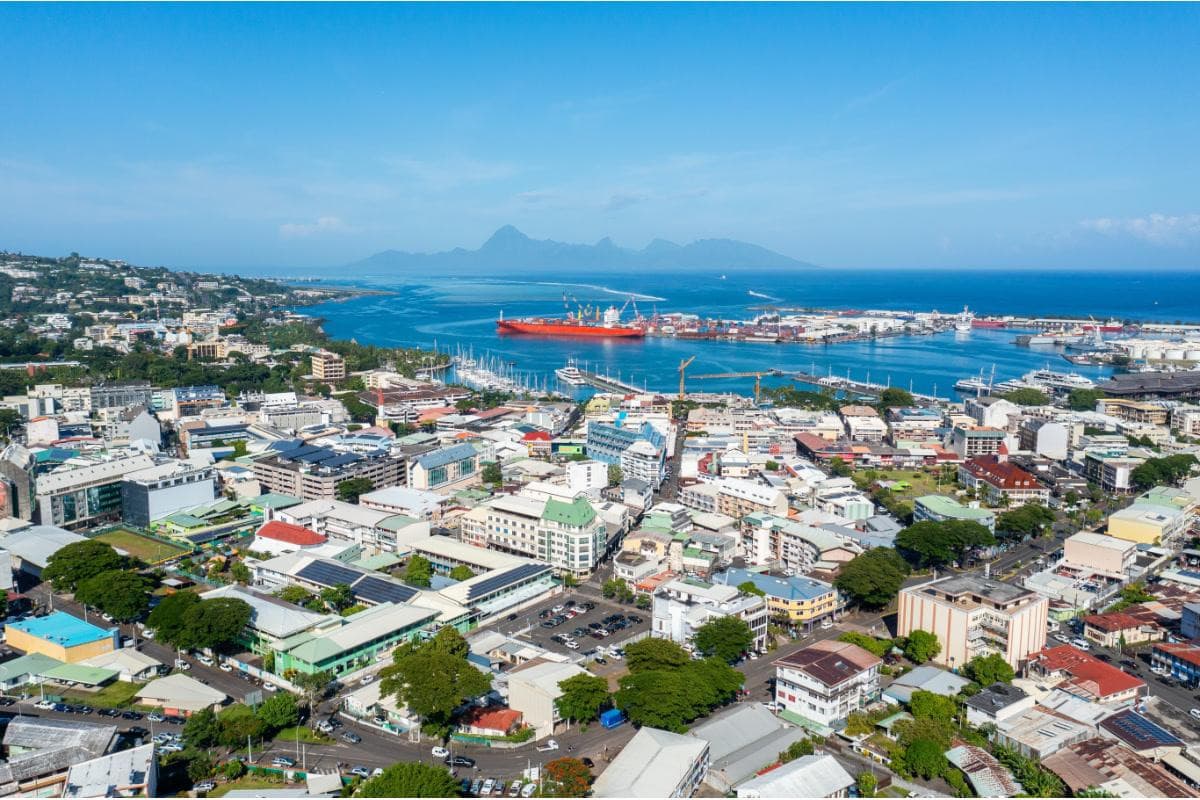
The first time you step onto To'ata Square the air seems curated—salt and diesel from the nearby harbor braided with the sweet, heady scent of gardenia and coconut oil. Fringed by palms, raised just above Papeete’s waterfront boulevard, the broad paved plaza reads like the island’s living room: a place where families picnic, performers warm up, and the city’s big moments—concerts, ceremonies, and the thunderous drumming of Heiva i Tahiti—play out under a wide tropical sky.
By day the square is an easy, social place to orient yourself to Tahiti’s capital. Vendors wheel carts of fresh coconut water nearby and the market’s pulse is only a five-minute stroll. By night it becomes theater—lights, music, and the practiced swagger of dancers keeping a lineage alive. To'ata is both stage and civic spine: you can feel the daily rhythms of Papeete here—commerce, faith, politics—while the sea keeps its own gentle calendar at the edge of the plaza.
To'ata’s character is best understood in context. Papeete—whose name translates roughly as “water basket”—grew up around natural springs and the shallow bays that nurtured Polynesian life long before European contact. The city’s colonial era architecture and its modern municipal buildings sit cheek-by-jowl with Polynesian motifs; the square itself functions as a bridge between those worlds. The Heiva festival, hosted at To'ata and other venues each July, is not just entertainment but a cultural revival where dance, canoeing, tattooing, and music articulate history and identity.
Geologically, Tahiti’s jagged interior is the work of volcanic uplift and erosion; Papeete sits on coastal plains where the island meets the lagoon. That meeting of land and sea shapes everything here—the market’s bounty, the local diet of freshwater fish and root crops, and the economy that grew around pearl cultivation. Robert Wan’s Pearl Museum, a short trip from the square, demonstrates how black pearls became Tahiti’s signature export; a guided visit reveals the intricate husbandry and artistry behind those lustrous orbs.
The best way to enter To'ata’s world is on foot. Join a 2-hour shared or private walking tour that threads through Bougainville Park, the Catholic Cathedral, Town Hall, and the market, with To'ata punctuating the route as a place to pause. Guided 3–4 hour city-and-pearl tours combine easy urban walks with a stop at the Robert Wan Pearl Museum—handy if you want context for the jewelry shops you’ll see around town. For a broader primer, book a full-day circle-island tour: the road around Tahiti delivers panoramas, grottoes, and roadside fruit stands that clarify why island life looks the way it does.
Practicalities are straightforward but matter. Mornings are the liveliest at the market—aim for a start around 7–9am to sample poisson cru (raw fish marinated in coconut and lime), pick up seasonal fruits, and watch pearl traders display strands beneath shaded canopies. Heat spikes midday; schedule To'ata visits for early morning or late afternoon when light is flatter and the plaza is cooler. If you’re here during July, expect crowds and an electrified schedule—book performances and tours well in advance.
Walking is the default mode. Wear grippy shoes for polished sidewalks and occasional wet patches near the water. Bring a refillable bottle—the walking tours often include a coconut-water stop but it’s wise to hydrate yourself. While the square is public and safe during daylight, leave valuables secured and be mindful of changing weather: tropical squalls roll in suddenly.
To'ata is also a launchpad. From here you can walk to the market and board short boat trips that take you snorkeling in the lagoon or out to surf spots. For a compact marine outing, small-group snorkeling trips offer an intimate look at turtles, rays, and reef life while including an introduction to the island’s marine protection ethos. If you prefer land-based culture, evening walking tours spotlight colonial architecture and projected photo exhibits that animate Papeete’s history.
Why does To'ata matter beyond Instagram frames? It’s a place where civic life is visible and performative—the town’s public memory is gathered here and replayed each year. For travelers seeking an accessible, layered introduction to Tahiti, the square is a classroom and a stage: you’ll see fishermen returning with the day’s catch, guides explaining tattoo meanings, and schoolchildren practicing dance steps under banyan shade. That blend—everyday life and deliberate cultural display—makes To'ata a compact way to understand modern Tahitian identity.
Planning notes: choose a walking tour that includes Bougainville Park and the market (2 hours for a shared tour; private tours are available for a more personal pace). If the Robert Wan Pearl Museum is on your list, opt for the 3–4 hour city-and-museum tour that combines context, a snack, and a guided museum visit. For a comprehensive overview of the island, a circle-island full-day private tour will show you how To'ata fits into the wider landscape: fjord-like valleys, black-sand beaches, and roadside fruit stalls.
To'ata doesn’t demand heroic effort to reward you—just presence. Stand at the edge as the tide breathes at the quay, listen to a troupe tune their drums, and let the square do what public spaces do best: connect people to each other and to place. When you leave Papeete, the memory that clings isn’t just a photograph; it’s the cadence of a town whose art and everyday life are braided together—center stage at To'ata.
Trail wisdom
Small choices, better day.
Time your visit
Mornings (7–10am) are best for market energy and cooler temperatures; evenings bring performances and more comfortable light for photos.
Wear good walking shoes
Streets are mostly paved but can be wet near the quay and in gardens—grippy shoes keep you steady during tours.
Carry a refillable water bottle
Hydrate frequently—many tours include a coconut-water stop, but bring your own to avoid buying single-use plastics.
Book Heiva and museum spots early
If visiting in July for Heiva or planning a Robert Wan Pearl Museum visit, reserve tours and performance tickets well in advance.
Local knowledge
Read the place, not just the route.
Watch for native species including Tropical reef fish (seen on nearby snorkeling trips), Seabirds like frigatebirds and terns along the waterfront.
Keep an eye out for wildlife during the transition between areas and habitats. Respect distance guidelines.
Support tours and pearl shops that follow sustainable practices; small-group snorkeling operators emphasize reef protection and responsible wildlife viewing.
Follow the guide's instructions on size limits, ethical handling, and leave-no-trace practices.
Bougainville Park (tranquil gardens near the square). The Queens Bath spring in the Assembly gardens
Locally recommended viewpoints and quiet spots known best to local operators.
Papeete developed around natural springs and harbors; its name roughly translates to 'water basket' and the city became a colonial hub in the 19th century.
Maritime roots and regional tradition shape the waterways and working coasts.
Seasonal guide
Four versions of the same landscape.
Spring
Best forOff-season crowds · Mild weather for walking · Local fruit tasting
ChallengesIntermittent rain showers · Shorter daylight hours than summer
Spring offers comfortable temperatures and fewer tourists—expect occasional showers that can cool the square and nearby markets.
Summer
Best forWarm lagoon swims · Evening performances · Long daylight hours
ChallengesHigher humidity · Possible afternoon squalls · Heavier tourist traffic in peak months
Summer brings lively nights and long days—perfect for combining waterfront time with late performances at To'ata.
Fall
Best forClear light for photography · Fruit harvests at stalls · Calmer seas for boat trips
ChallengesUnpredictable rain · Some businesses adjusting hours after peak season
Fall is quieter and photogenic, with markets full of tropical fruits and fewer crowds at cultural events.
Winter
Best forDry, cooler days (May–Oct) · Heiva festival (July) · Comfortable walking conditions
ChallengesHigh demand for festival seats · Colder nights near the water
Tahiti’s dry season provides crisp air and ideal conditions for festivals and long coastal drives around the island.
Pack with intention
What to bring.
Good to know
Common questions.
Yes—To'ata is a public plaza accessible year-round; special events (like Heiva) may require tickets for performances held there.
Plan the edges
The details that make the day easier.
To'ata (Tahua To'ata) is one of Papeete’s primary venues for the annual Heiva i Tahiti festival, an event that celebrates traditional Polynesian dance, music, and sports each July.
Sample poisson cru and fresh coconut water at the market; browse local artisans selling pareos and black pearls; evening food stalls near the square offer grilled seafood and local sweets.
- Nearest airport
- Faa'a (PPT) — 15–25 minute drive to Papeete. Best arrival: morning to join a half-day walking tour. Currency: CFP franc; language: French and Tahitian; book Heiva seats in advance.
Choose small-group operators that practice reef-friendly snorkeling and buy pearls from certified farms to support sustainable aquaculture and local communities.
Explore by topic
Follow the threads.
Keep exploring
Make the story part of the trip.
Set out from Bass Harbor for a private, customizable day on Blue Hill Bay — lighthouses, puffins, seals, and the chance to feel Acadia from the water. Small groups, local captains, unforgettable views.
In four hours you can move from shaded canyon ferns to wind-scoured coastal ridgelines, guided by someone who knows where the light—and the hidden views—live. This private half-day hike on the Monterey Peninsula or Big Sur is compact, curated, and perfect for travelers who want depth without a multiday commitment.
 Related story
Beneath a sky of shifting light, Skaftafell’s ice reads like a map of time. This three-hour guided glacier hike mixes technical instruction with geology and culture: compact, safe, and unforgettable.