
What the day feels like
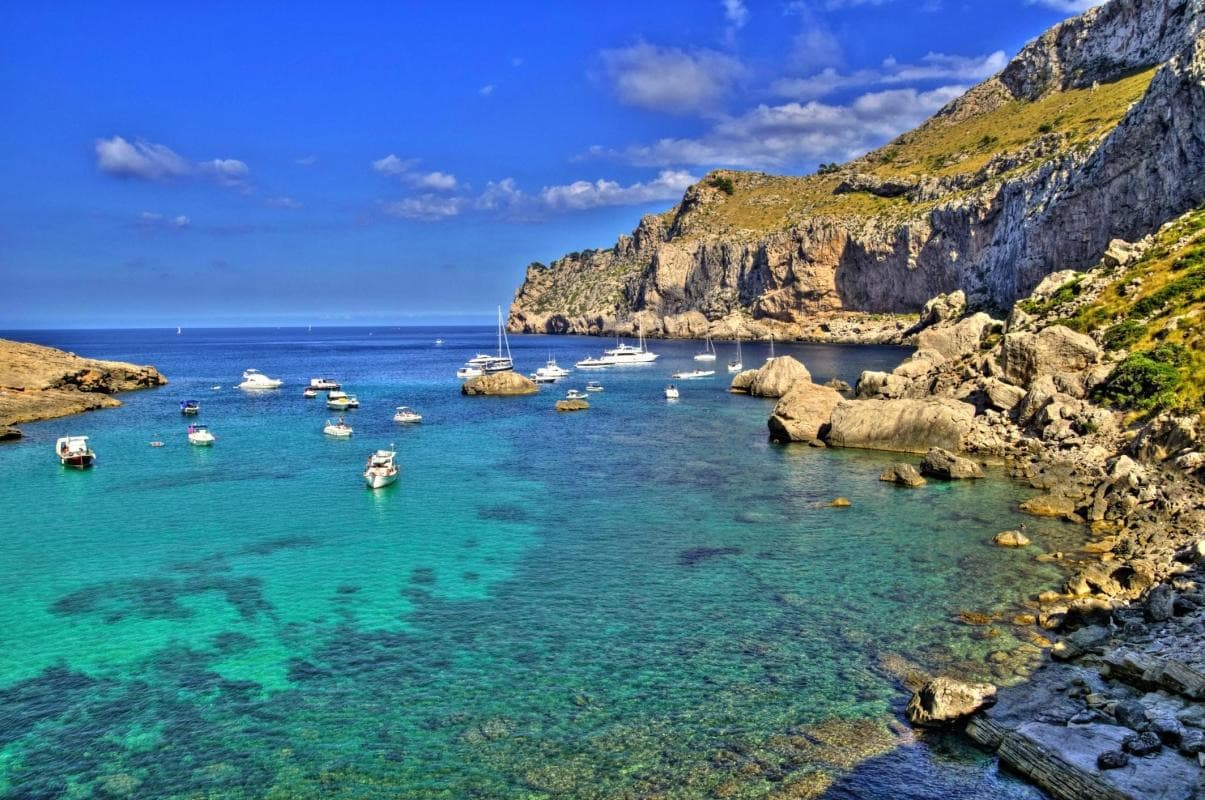
The inlet appears before the road does — a narrow throat of jade water, flanked by houses that seem to have been carved into the rock. Early light pools on the mangled ropes and sun-bleached buoys tied to the low quay. A handful of llaüts, the island’s traditional wooden fishing boats, rock gently against the stone while gulls argue over yesterday’s catch. This is Cala Figuera: not a wide tourist beach but a working harbor that feels less like a postcard and more like an invitation.
Stand on the headland at dawn and you can watch the coastline of southeast Mallorca unspool like a secret map. Offshore, rib boats line up like eager pens ready to write across the sea: Caló d'es Moro, the dramatic arch of Es Pontás, the sheltered coves of S'Almunia, and the white thumbprint of Es Mármols — places that are best reached by water. The three main boat experiences that slip out from Cala Figuera focus on exactly this — short, intense passages between cliffs where the island’s geology and maritime history are in constant conversation.
Geology here is straightforward and theatrical. The limestone that shapes Mallorca’s southeastern fringe has been scored by wind and sea into narrow coves, vertical faces, and dramatic arches. Es Pontás — a sculpted rock arch that frames the horizon — is the island’s cameo: a geological flourish that draws climbers, photographers, and boaters alike. Hidden caves along the shore once sheltered both fishermen and smugglers; those same hollows now punctuate tour itineraries and lookouts where light pools like molten silver.
Cala Figuera’s human story is pragmatic. It was and remains a fishing settlement. The inlet’s narrowness and deep water made it a natural boat port long before tourist brochures arrived. The fishermen’s huts — the casetes de pescadors — are still visible, painted in weathered pastels and stacked against the cliffs, a living reminder that this place serves livelihoods as much as it serves scenery. In the saltworks and village markets of nearby Santanyí you can still find salt harvested the old way and simple coastal cuisine: grilled fish, alioli, tomato and pepper salads, and freshly caught sein fish.
Why choose Cala Figuera as your base for exploring this stretch of Mallorca? For one, the harbor is immediate and intimate: a morning coffee on the quay leads directly to a boat. The popular small-group rib tours run with a maximum of about 11 passengers, which keeps the experience personal and nimble. These boats give you access to coves like Caló d'es Moro — a small, boxy beach hemmed in by cliffs where tours typically give swimmers 45 minutes to jump into glass-clear water. Other itineraries push farther, to S'Almunia with its fishermen’s huts and to Es Mármols, an unspoiled beach reachable only by boat or a long coastal trek.
Practicalities matter. The coastline here can turn from glassy calm to chop in an hour; mornings are usually the calmest. If you plan to swim, basic comfort with open-water conditions is necessary: sea temperatures in late spring and summer are inviting, but currents and swell can shift, so listen to the skipper and wear a flotation aid if requested. Bring reef shoes for rocky landings and a dry bag for valuables; small boats are fast and fun, but they also splash.
Timing and temperament will shape your day. Early departures — think sunrise or first light — offer the best light for photography and the most sheltered water for zipping along the coast. Afternoon trips catch warmer air but sometimes more traffic and sea. If your priority is a long stretch of solitude on white sand, choose the itineraries that go to Es Mármols or plan a private charter that allows more time ashore. The private day-trip option from Palma folds Cala Figuera into a softer coastal tour that also hits Es Trenc and Santanyí, which is ideal for travelers who want a slower pace and options for lunch at a countryside finca.
Safety and conservation: Cala Figuera and its neighboring coves are not vast protected national parks, but they sit in a delicate Mediterranean ecology. Avoid anchoring on seagrass meadows (Posidonia oceanica), respect local fishing gear, and pack out any trash — the harbor’s cleanliness depends on visitors and locals alike. Many tour operators emphasize small-group boats precisely to reduce impact and avoid overcrowding in the narrow coves.
For the practical traveler: choose a rib tour if you want quick access to multiple coves in a single half-day; pick a private day tour if you want to pair a beach day with Santanyí’s galleries and the salt flats near Campos. If you have time, combine a morning boat and an afternoon walk: the harbor’s coastal paths offer short, scenic walks with nearly continuous views of boats arriving and departing.
Cala Figuera rewards modest ambition. It isn’t the island’s loudest attraction nor its widest beach; it is a place that invites you to pay attention — to light on rock, to the rhythm of the quay, to the way the sea seems intent on reshaping the island’s edge every season. The best trips leave you a little tired from sun and salt, with a camera full of vertical cliffs and blue-green coves and a memory of a boat’s wake curling back toward a small, efficient harbor that still does more than pose for pictures: it works, it remembers, and it keeps a few secrets for those who approach by sea.
Trail wisdom
Small choices, better day.
Go early for calm seas
Morning departures usually mean smoother water, better light for photos, and fewer boats in the coves.
Bring reef shoes
Rocky landings and pebbly coves make water shoes useful for getting in and out of the water safely.
Respect marine life
Avoid stepping on Posidonia meadows and don’t feed wildlife; these ecosystems are fragile and protected.
Carry a dry bag
A small dry bag protects cameras, phones, and a light jacket from spray on rib boats.
Local knowledge
Read the place, not just the route.
Watch for native species including Audouin's gull, Occasional sightings of loggerhead sea turtles offshore.
Keep an eye out for wildlife during the transition between areas and habitats. Respect distance guidelines.
Visitors should avoid anchoring on Posidonia meadows and follow operators who limit group sizes to reduce environmental impact on the fragile coastal ecosystem.
Follow the guide's instructions on size limits, ethical handling, and leave-no-trace practices.
S'Almunia — a tiny cove with traditional fishermen's huts and calm water for snorkeling. Es Mármols — a remote white-pebble beach accessible primarily by boat
Locally recommended viewpoints and quiet spots known best to local operators.
Cala Figuera developed as a working fishing inlet; its caves once sheltered fishermen and, at times, smugglers using the intricate shoreline for concealment.
Maritime roots and regional tradition shape the waterways and working coasts.
Seasonal guide
Four versions of the same landscape.
Spring
Best forcalmer seas · blooming coastal plants · pleasant temperatures for walks
Challengeswater still cool for long swims · some operators run reduced schedules
Spring offers mild weather, fewer crowds, and calm mornings — ideal for photography and exploring coves without peak-season traffic.
Summer
Best forwarm swimming · long daylight · frequent boat departures
Challengeslargest crowds at popular coves · strong midday sun
Summer brings warm water and daily boat services; bring sun protection and book ahead to avoid sold-out trips.
Fall
Best forwarmer sea temperatures · fewer tourists · golden light for photos
Challengesshortening daylight · occasionally rougher seas from autumn storms
Autumn keeps the sea warm and the crowds thin — a sweet spot for those wanting sea time and quieter coves.
Winter
Best foroff-season tranquility · coastal walks · birdwatching
Challengeslimited boat services · cooler temperatures
Winter is quiet and ideal for exploring the harbor and nearby villages, though many boat tours run reduced schedules or pause.
Pack with intention
What to bring.
Good to know
Common questions.
Cala Figuera is on Mallorca’s southeast coast in the Santanyí municipality. The easiest access is by car or taxi from Palma (about an hour) or by combined day-trip from larger resorts; some day tours offer hotel pickup.
Plan the edges
The details that make the day easier.
Cala Figuera still functions as a traditional fishing port and is recognized for its casetes de pescadors — small fishermen’s huts lining the inlet that reflect the town’s working maritime heritage.
Cala Figuera’s identity is tied to the sea: simple seafood tavernas, fishermen’s huts, and nearby Santanyí’s market culture make this stretch of coast an authentic slice of Mallorcan life.
- Departure point
- Cala Figuera harbor. Typical trip length: half-day (3–4 hours) to full-day. Book small-group ribs in advance during summer. Dress: swimwear, water shoes, sun protection.
Choose operators who run small-group boats, avoid anchoring on seagrass beds, pack out waste, and favor local businesses to support the coastal community.
Explore by topic
Follow the threads.
Keep exploring
Make the story part of the trip.
Set out from Bass Harbor for a private, customizable day on Blue Hill Bay — lighthouses, puffins, seals, and the chance to feel Acadia from the water. Small groups, local captains, unforgettable views.
In four hours you can move from shaded canyon ferns to wind-scoured coastal ridgelines, guided by someone who knows where the light—and the hidden views—live. This private half-day hike on the Monterey Peninsula or Big Sur is compact, curated, and perfect for travelers who want depth without a multiday commitment.
 Related story
Beneath a sky of shifting light, Skaftafell’s ice reads like a map of time. This three-hour guided glacier hike mixes technical instruction with geology and culture: compact, safe, and unforgettable.