
What the day feels like
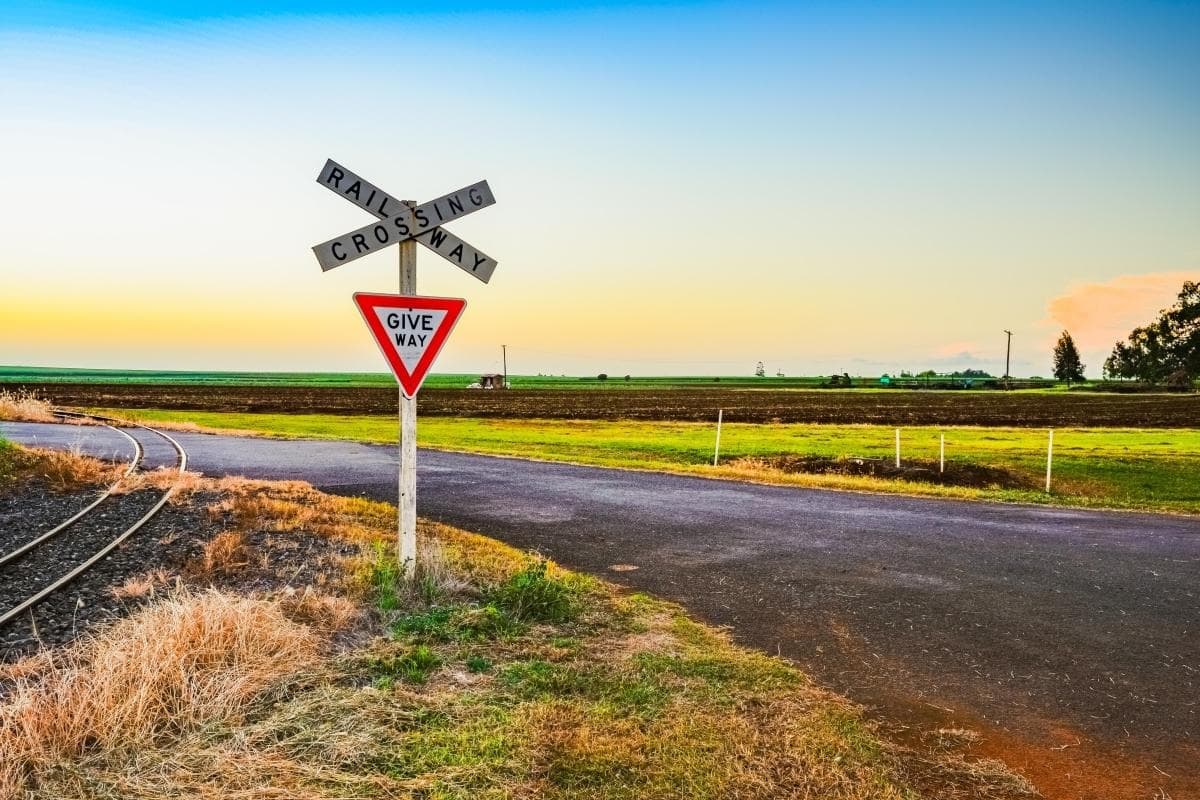
By the time the sun slips low over the Burnett River, Bundaberg feels like a harbor for small obsessions: the slow, sure chewing of sugar cane fields, the low rumble of a distillery still, the careful scuff of volunteers on a sand dune checking for tracks. This is Queensland’s low-country edge — flat, bright and full of water — and it’s where the ocean stages some of its most patient dramas. From the boardwalks of Mon Repos to the clear lagoons of offshore reefs, Bundaberg is a compact base for big nature and sensible adventure.
Start at the coastline. A short drive east of the city, Bargara and Mon Repos present two different interactions with the sea: Bargara’s long, human-scaled beach and surf, and the quieter, protected dunes of Mon Repos Conservation Park. On summer nights (October through March) the turtles come ashore to lay; by moonless nights volunteer guides shepherd small groups through salt-washed trails and controlled viewing platforms. The sand here is not a backdrop but a character — patient, cold in the morning, and generous with secrets. Seeing a loggerhead trace its way up the beach is a lesson in deliberate movement: flippers drag, breath steams in the dark, and the whole ceremony feels like the planet making an argument for persistence.
Bundaberg’s stories are stitched to industry as much as to tide. Sugar cane runs like a green ribbon through the region, and Bundaberg Rum — distilled here since the 1880s — is both a local economy and a cultural touchstone. The distillery tour is part history lesson, part theatrical machine room, where fermentation tanks and copper stills are introduced with tongue-in-cheek regional pride. It’s a reminder that this place is as much shaped by human hands as by the sea.
Head offshore and the water rearranges priorities. The Southern Great Barrier Reef loops close enough that day trips to islands like Lady Musgrave place snorkelers in an internal world of coral fingers and schooling fish. The lagoon is a bowl of blue so clear you can keep your socks on and still feel like you’re walking across glass. For photographers and snorkelers, it’s an unambiguous invitation to lean forward.
Geology here is gentle but decisive: the coastal plain is a shallow, recent apron of sand and silt formed over millennia, and wind and waves keep reassembling the edges. The Burnett River cuts a steady path through it, delivering nutrients that help sustain mangroves, estuaries and reef life. Culturally, the region sits on the lands of the Gureng Gureng people and other Indigenous groups whose relationships to this coast run far deeper than the settler narratives around rum and cane.
Why come? Bundaberg is a well-calibrated travel project. In a single day you can watch turtles, taste a region in a distillery cellar, snorkel a protected lagoon and eat fish fresh from the trawler. For families it’s accessible; for solo travelers it’s quietly satisfying; for photographers it offers clear coastal light and late-night wildlife rituals. And for anyone planning, it’s useful to know that the area rewards moderation: short drives, short hikes, long views.
Practicalities: Mon Repos walkways are short and accessible — plan for a guided turtle viewing if you visit in season, as unregulated beach access is restricted during nesting nights. Boat trips to Lady Musgrave and other reefs leave from Bundaberg and nearby ports; expect full-day tours, reef-snorkeling gear, and the occasional swell that keeps the day honest. The distillery tour takes under an hour and doubles as a souvenir stop — but tasting rooms have strict service rules, so act accordingly.
Plan your timing around nature. Turtle nesting and hatching (late spring to early autumn) are the marquee events, but weather, sea state and stinger season (warmer months) will affect water activities. Wear reef-safe sunscreen, bring a light layer for night tours, and respect signs and rangers — conservation here is active and community-backed.
Bundaberg isn’t a wilderness outpost pretending to be pristine; it’s a coastal district of working farms, busy ports and committed volunteers. That blend is part of its charm: you get big encounters without the logistical drama of far-flung outposts. If you hike a short dune trail at dusk, you’ll feel the tide and the sugar industry negotiate the same horizon — and that, oddly, feels like an honest representation of the place.
What to expect physically: most coastal walks are flat and short (boardwalks and dune trails range from a few hundred meters to around 1–2 kilometers). Boat days are longer and can be physically demanding in their own way: sunscreen, steady balance and some sea legs will improve the experience. For photographers, early mornings and late afternoons give the best light; for wildlife, nights and tide windows are decisive.
If you go with intention — a guided turtle night, a reef snorkel, a distillery tour and a quiet morning on the Burnett River — the pace of Bundaberg will make sense. It’s a place that rewards patience and give-and-take: you yield to the rhythms of turtle nesting and the ocean rewards you with scenes that are small, contained and unforgettable. The distillery pours you a measure of human history. Between them, they form a tidy, honest adventure — one where the sea and land constantly renegotiate the terms of experience.
Getting there is straightforward: Bundaberg Airport connects with larger Queensland hubs, and the city sits within reasonable driving distance of Hervey Bay and Fraser Island if you want to combine itineraries. For many travelers, Bundaberg functions best as a regional hub — compact enough for one or two days of exploration, rich enough in wildlife and culture to make those days feel full.
The coastline here will challenge any rush. That’s the point. Slow down, listen to the sand, and you’ll find a coastline that gives exquisite returns for small commitments.
Trail wisdom
Small choices, better day.
Book turtle tours in advance
Mon Repos turtle-viewing tours are limited and best reserved early in the season to secure a spot on moonless nights.
Use reef-safe sunscreen
Protect coral and marine life by choosing zinc-based or certified reef-safe sunscreen when snorkeling or swimming.
Prepare for stingers in warm months
During the warmer season bring a stinger suit or confirm stinger precautions with your boat operator before swimming.
Pack motion-sickness remedies
Boat rides to offshore reefs can be choppy—take prevention before departure if you’re prone to sea sickness.
Local knowledge
Read the place, not just the route.
Watch for native species including Loggerhead turtles, Humpback whales (seasonal).
Keep an eye out for wildlife during the transition between areas and habitats. Respect distance guidelines.
Mon Repos is an active turtle conservation site run with community volunteers and Queensland Parks & Wildlife; visitors are urged to follow viewing rules and use reef-safe products.
Follow the guide's instructions on size limits, ethical handling, and leave-no-trace practices.
Early-morning stroll to Point Vernon and the Bargara lookout for quiet coastal panoramas. Small charter trips to Lady Musgrave often include lagoon snorkeling in smaller groups for a more intimate reef experience
Locally recommended viewpoints and quiet spots known best to local operators.
Bundaberg’s development grew from sugar cane and rum production in the late 19th century; the area is on the traditional lands of the Gureng Gureng people.
Maritime roots and regional tradition shape the waterways and working coasts.
Seasonal guide
Four versions of the same landscape.
Spring
Best forTurtle nesting begins · Mild weather for walks · Offshore snorkeling as seas calm
ChallengesVariable tides · Occasional rain showers
Spring kick-starts turtle nesting and generally settles the sea—good for boardwalks and early-season reef trips.
Summer
Best forPeak turtle activity (nesting/hatching) · Warm water snorkeling · Long daylight hours
ChallengesStinger season in water · Higher humidity and occasional storms
Summer is the heart of turtle season and warm-water snorkeling, but take precautions for marine stingers and afternoon storms.
Fall
Best forHatchling season continues · Clearer water for snorkelers · Fewer crowds
ChallengesWarm seas can mean stingers linger · Shortening daylight hours
Autumn often offers excellent visibility and quieter beaches while hatchling viewing can still be excellent early in the season.
Winter
Best forWhale watching offshore · Calmer seas for boat trips · Clear, dry days ideal for photography
ChallengesCooler water temperatures · Less turtle activity on beaches
Winter brings clearer skies and better offshore visibility for reef trips and whale migration viewing, but turtles are less active.
Pack with intention
What to bring.
Good to know
Common questions.
Turtle nesting and hatchling season runs roughly from October to March, with peak activity often in late spring and early summer; guided night tours are the only permitted way to view nesting events.
Plan the edges
The details that make the day easier.
Mon Repos Conservation Park hosts one of the most significant loggerhead turtle nesting sites on Australia’s eastern mainland, with long-term research programs tracking nesting trends.
Bundaberg blends working coastal culture — sugar cane fields, trawlers, and rum — with a slow, conservation-minded community; share a meal of freshly caught coral trout or a rum-distillery tasting, and you’ll see how economy and environment are entwined.
- Nearest airport
- Bundaberg Airport (10–15 min from CBD); accommodation: Bundaberg or Bargara; best booking windows: turtle tours in October–March and reef trips in the dry season; currency: AUD; permits: follow park signage and tour rules for turtle viewing.
Support licensed turtle-viewing tours, use reef-safe sunscreen, avoid walking on dunes, and consider donating to the Mon Repos conservation programs to help protect nesting habitat.
Explore by topic
Follow the threads.
Keep exploring
Make the story part of the trip.
Set out from Bass Harbor for a private, customizable day on Blue Hill Bay — lighthouses, puffins, seals, and the chance to feel Acadia from the water. Small groups, local captains, unforgettable views.
In four hours you can move from shaded canyon ferns to wind-scoured coastal ridgelines, guided by someone who knows where the light—and the hidden views—live. This private half-day hike on the Monterey Peninsula or Big Sur is compact, curated, and perfect for travelers who want depth without a multiday commitment.
 Related story
Beneath a sky of shifting light, Skaftafell’s ice reads like a map of time. This three-hour guided glacier hike mixes technical instruction with geology and culture: compact, safe, and unforgettable.