
What the day feels like
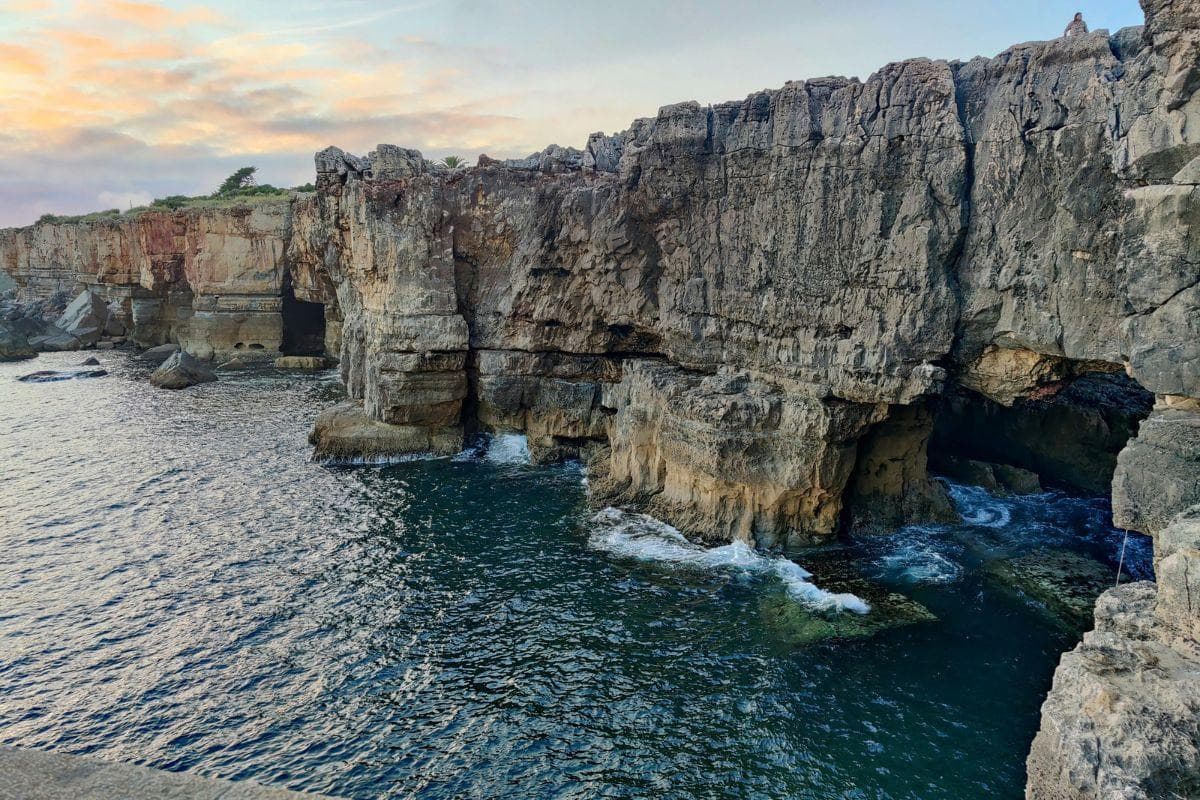
You reach Boca do Inferno the way most modern pilgrims do: by following the salty wind. The path from Cascais unfolds in a quick, easy walk—paved promenade giving way to a ragged strip of basalt and limestone where the cliff narrows into a throat and the ocean seems to be breathing. On a brisk morning the Atlantic inhales, draws back its shoulder, and then slams forward, sending a white, hissing plume up through the chasm. The sound is a low, cavernous exhale that makes the rails tremble underfoot; sometimes spray arcs high enough to dampen your hair. It feels theatrical, but it’s not showmanship: it is geology and weather conversing loudly.
Boca do Inferno—literally the "Mouth of Hell"—is the easiest kind of spectacle to love because it requires so little effort. From Cascais’ center it’s a 20–30 minute walk (roughly 2–3 km) along the coast, or a five-minute drive. The site is a compact theater carved by persistent waves: centuries of erosion have hollowed out a chasm in the cliff face where the Atlantic's current and the geometry of the rock amplify force and sound. On stormy days the sea snarls and the place earns its name; on calm afternoons it becomes a museum of tide pools and seabirds.
The spot has threaded through Cascais’ modern history. By the late 19th century, this stretch of Atlantic coast drew Portuguese and foreign visitors who came to drink sea air and sketch the dramatic coastline. Painters and writers lingered here; today, travelers with cameras take those same positions. Unlike high-mountain trails that demand acclimatization, Boca do Inferno invites curious people of all fitness levels to experience something elemental in minutes.
Geology explains the spectacle: alternating layers of softer and harder rock gave the Atlantic weak seams to exploit. Wave energy concentrates in these seams and scours them out, eventually producing cavities and blowholes. The force that shaped Boca do Inferno is not a single thunderous event but a slow, patient labor of tides and storms. That labor continues—edges crumble, boulders fall, shapes change from season to season.
Culturally, the site is an extension of Cascais’ maritime identity. This was a fishing town long before it became a fashionable seaside retreat; the harbor still hums with fishing boats and the town’s seafood restaurants trade in the simplest evidence that the sea feeds this place. Walk Boca do Inferno into an afternoon that includes a visit to Cascais’ market or the nearby Santa Marta Lighthouse Museum and you will sense the continuity between the town’s working harbor and these more dramatic shoreline scenes.
Practical picture: the viewpoint itself is compact and largely paved until you reach the cliff edge. There are safety rails and dedicated lookouts, but visitors often want to venture to small rocky outcrops—don’t. Rocks are slippery, the surf unpredictable, and a high tide day can turn daring into dangerous in an instant. The most cinematic moments happen in a narrow window—late afternoon light gilds the cliffs, and approaching storms give the waves drama—but sunrise and early morning bring quieter, cleaner colors and fewer crowds.
What to expect physically: the walk is short and untechnical, but there’s exposure. Windproof layers will be your best friend; the ocean will push you toward appreciating them. Footwear with decent traction matters if you plan to explore rockier edges; sandals and slick soles are poor choices. Bring a small bottle of water and a camera or phone with some protection from spray. Check the tide charts if you want to see the biggest blows—the sea’s timing makes the show.
Timing and logistics: Boca do Inferno is essentially free and open year-round. It’s an easy day trip or half-day stop on a longer Cascais or Lisbon itinerary. Trains from Lisbon’s Cais do Sodré station deliver into Cascais in about 40 minutes; from the Cascais station, the promenade walk takes you past the marina and beaches. If driving, limited parking sits nearby but can fill in summer and on weekends. Plan for 45 minutes to 2 hours at the site depending on whether you’re there for photography, a quick stop, or to sit and listen to the sea.
Why it matters: It is small, immediate, and honest. You don’t need equipment or permits to feel the Atlantic’s force here, and the experience reorients you to scale—the same ocean that laps Lisbon’s beaches can turn threatening and beautiful against basalt. For photographers, naturalists, families, and anyone who likes a dramatic coastal viewpoint without a long hike, Boca do Inferno repays curiosity with vivid, elemental spectacle.
If you go: respect the rails, check tides, time your visit for late afternoon or early morning depending on whether you want drama or reflection, and combine the stop with Cascais’ market and coastal paths. The band of cliffs west of Cascais continues to reveal quieter coves and windswept beaches if you want to keep walking. Most of all, stand back sometimes and let the Atlantic do the performing—the place is at its best when you’re willing to be an audience rather than a director.
Trail wisdom
Small choices, better day.
Watch the tide and surf
High tide and onshore storms make Boca do Inferno most dramatic but also more dangerous—keep to the viewing platforms and obey warning signs.
Wear grippy shoes
The paved areas are fine but wet rock is slippery; closed-toe shoes with traction reduce slip risk if you explore edges.
Bring windproof layers
The Atlantic wind can cut through clothing; a light, packable windbreaker keeps you comfortable and dry from spray.
Combine with Cascais transit
Take the frequent train from Lisbon to Cascais and walk the promenade—it avoids parking headaches and fits neatly into a half-day plan.
Local knowledge
Read the place, not just the route.
Watch for native species including Common dolphins (offshore), Seagulls and cormorants perched on the cliffs.
Keep an eye out for wildlife during the transition between areas and habitats. Respect distance guidelines.
The cliff and tidal habitats are sensitive—stay on designated paths, avoid disturbing wildlife, and do not climb on unstable edges.
Follow the guide's instructions on size limits, ethical handling, and leave-no-trace practices.
Santa Marta Lighthouse Museum (small maritime museum and viewpoint). Parque Marechal Carmona and Cascais' fish market for a local seafood stop
Locally recommended viewpoints and quiet spots known best to local operators.
Boca do Inferno became a staple of Cascais’ coastal tourism in the 19th century, attracting painters and writers fascinated by its rough Atlantic theater.
Maritime roots and regional tradition shape the waterways and working coasts.
Seasonal guide
Four versions of the same landscape.
Spring
Best forWildflower-lined coastal walks · Milder weather and fewer crowds · Photography in soft light
ChallengesOccasional windy days · Unpredictable afternoon showers
Spring offers cool, manageable weather and clear light—ideal for walking the cliffs and photographing the coastline.
Summer
Best forLong daylight hours · Warmer beach visits nearby · Evening sunsets
ChallengesHigh visitor numbers · Stronger sun and limited parking
Summer brings warmth and crowds; plan early or late visits to avoid the busiest hours and the strongest sun.
Fall
Best forStorm-watching and dramatic seas · Fewer tourists · Comfortable temperatures
ChallengesIncreased chance of stormy weather · Rougher seas make cliffs more hazardous
Autumn can produce the most dramatic wave action—spectacular for viewing but requiring extra caution near the edge.
Winter
Best forRough-weather photography · Quiet, reflective visits · Storm-driven spectacle
ChallengesCold winds and heavy surf · Shorter daylight hours
Winter delivers the most forceful displays as storms churn the Atlantic; dress warmly and keep to safe vantage points.
Pack with intention
What to bring.
Good to know
Common questions.
Yes—there are fenced viewing platforms, but children should be supervised closely because the cliffs and spray can be hazardous.
Plan the edges
The details that make the day easier.
"Boca do Inferno" means "Mouth of Hell" and is a natural sea chasm shaped by centuries of Atlantic wave erosion; the site has been a noted coastal attraction since the 19th century.
Cascais pairs its seaside drama with a strong seafood tradition—fresh grilled fish, sardines, and oysters dominate menus near the marina. The town’s small markets and pastelarias offer an immediate, flavorful tie to local life.
- Closest city
- Cascais (2–3 km); nearest airport: Lisbon (40 km); access: train from Lisbon or short drive; cost: free; time needed: 30–90 minutes; safety: stay behind rails, watch tides.
Stay on marked paths, carry out any trash, avoid disturbing nesting birds, and follow local drone restrictions to minimize impact on this fragile coastal environment.
Explore by topic
Follow the threads.
Keep exploring
Make the story part of the trip.
Set out from Bass Harbor for a private, customizable day on Blue Hill Bay — lighthouses, puffins, seals, and the chance to feel Acadia from the water. Small groups, local captains, unforgettable views.
In four hours you can move from shaded canyon ferns to wind-scoured coastal ridgelines, guided by someone who knows where the light—and the hidden views—live. This private half-day hike on the Monterey Peninsula or Big Sur is compact, curated, and perfect for travelers who want depth without a multiday commitment.
 Related story
Beneath a sky of shifting light, Skaftafell’s ice reads like a map of time. This three-hour guided glacier hike mixes technical instruction with geology and culture: compact, safe, and unforgettable.