
What the day feels like
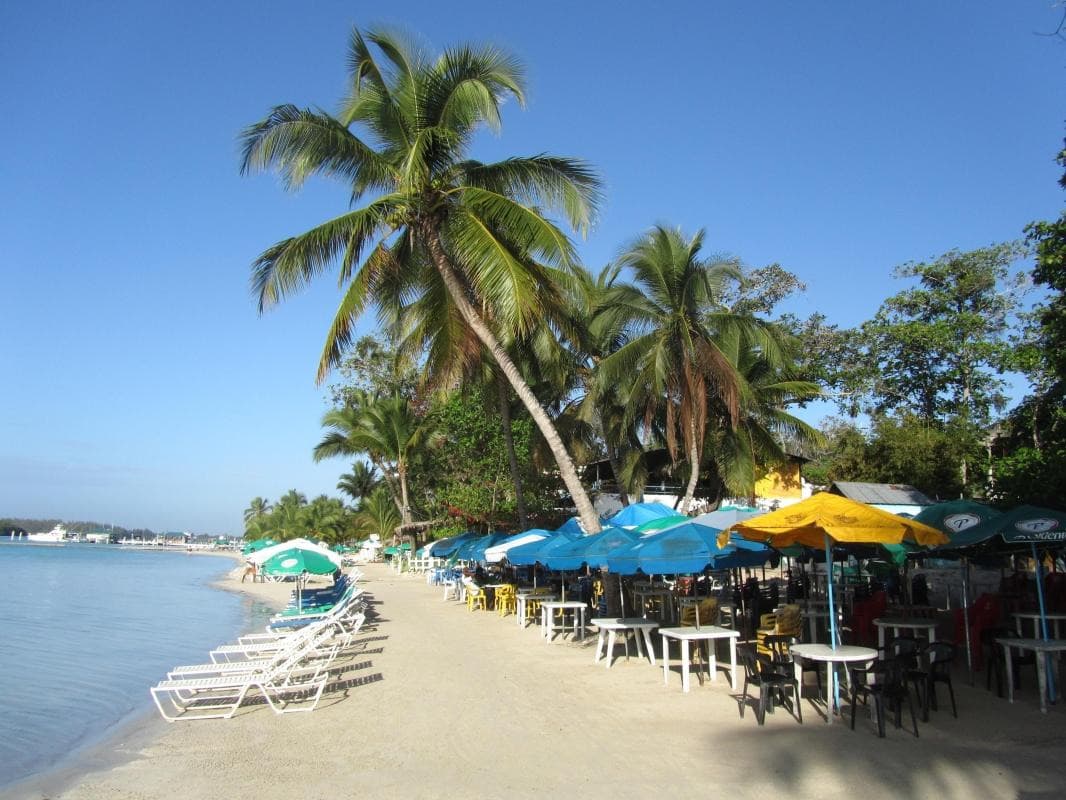
By the time the minivan leaves the edge of Santo Domingo, the city’s concrete density unravels into low palms and a flatter, sun-bleached landscape. Within half an hour the air tastes different—salt, fried plantain, and something bright that the city can’t hold: the sea. Boca Chica’s beach arrives like a promise. A wide band of pale sand, a fringe of leaning palm trees and a shallow, waist-deep lagoon that keeps the water warm like a bath. The surf hardly competes; a low reef paces the shore, holding the ocean back in soft, blue tiers that invite you to wade, snorkel, or stand with a cold drink and let the Caribbean dare you to relax.
This is not a wilderness destination. Boca Chica is a working beach town—a place where local families picnic on weekends, fishermen mend nets beside moto-taxis, and small palapas serve fried fish and ice-cold Presidente. But within that populist bustle lies the trait that travelers come for: safe, shallow swimming and uncomplicated water activities that require little gear and no expert skill. The reef that brushes the beach a few hundred meters offshore is the reason. It calms the waves and channels the water into a clear, placid shelf dotted with corals and small reef fish. The sea behaves here like a patient host, encouraging you to linger.
Geologically speaking, Boca Chica sits where the limestone shelf of the Greater Antilles meets the Caribbean Sea. The reef is a living fingerprint: branching corals, brain coral humps and patches of sea grass that trap sand and keep the shoreline broad. Historically, the stretch between Santo Domingo and Boca Chica has been a corridor for both leisure and commerce since the Spanish colonial era—today the area is shaped by beach clubs and weekenders rather than sugar plantations, but fishing and coastal communities remain integral to local life. Nearby Santo Domingo, the oldest continuously inhabited European settlement in the Americas, provides the cultural backbone: bachata music playing through a beachfront vendor’s radio, Catholic festivals visiting the shore and a cuisine that marries indigenous, African and Spanish foodways.
For travelers who want a simple, full-sensory beach day, Boca Chica is pragmatic and generous. The shallow lagoon is ideal for families or anyone who prefers to be buoyed rather than battered. Snorkelers will find the reef approachable—no long swims, no strong currents. Small rental operators offer kayaks, paddleboards and short boat hops that take you past the fringing reef for better fish-watching. If you crave speed, jet-ski rentals are available from licensed vendors, though expect noise and a cluster of machines during peak hours.
Plan your visit around the rhythms of the place. Weekdays and early mornings are quiet; the water is glassy and the sand untrammeled. Saturday and Sunday bring crowds—local families, vendors and tour groups—so if you like elbow room, go early or pick a weekday. Wear reef-safe sunscreen; Boca Chica’s reef is resilient but vulnerable, and sunscreen chemicals can harm corals. Bring cash: some of the best bites—grilled whole snapper, tostones with garlic mojo—come from palapas that only take pesos.
Practical logistics are straightforward. Boca Chica is roughly a 30–45 minute drive southeast of central Santo Domingo (about 25–35 kilometers, depending on your starting point). Taxis and shared gua-gua (minibuses) run the route, and many organized tours include round-trip transport from the capital. There’s no entrance fee for the public beach; private beach clubs have day rates that include chairs, umbrellas and food service.
Safety and comfort are simple matters of attention. The Caribbean sun is efficient—cover up, drink water and seek shade midday. Although lifeguards are present in some central stretches, they’re not consistent across the whole bay; keep a hand on children in the shallows. If you venture to the reef to snorkel, tie your fins on here and there, check the condition of your mask and be mindful of boats when you’re beyond the safety flags.
Where the town performs best is in its easy, communal atmosphere. Eat like a local: a plate of pescado frito (fried fish), yuca or plantain, and a cold local beer eaten under an awning while fishermen sort their catch nearby. Listen: bachata and merengue wander down the beach as naturally as breeze. Talk to a local vendor about the best time to see juvenile parrotfish near the reef or where to buy a bag of fresh mangoes. Those small conversations—about tides, about where the best shade is, about which palapa has the best garlic sauce—are the traveler's currency here.
For active visitors, Boca Chica is a skill-light playground: paddleboarding and casual fishing, guided snorkeling and short scuba dives for novices, or a day renting a small boat to edge along the reef. Those seeking a quieter, more natural day should walk east or west from the main beach where small coves thin the crowds and mangrove fringes provide quiet birdwatching.
Ultimately, Boca Chica’s appeal is its accessibility. It asks little from the visitor beyond a willingness to slow down and trade the curated luxury of a resort for something more immediate: local food, warm water and the uncomplicated joy of floating. Whether you’re traveling from Santo Domingo to steal a morning, or staying long enough to pick a favorite palapa and return like clockwork, Boc a Chica is a reminder that sometimes the best coastal adventures are the ones that meet you halfway—calm enough to be restorative, varied enough to be memorable.
Practical short checklist: arrive early to beat the crowds and heat; bring reef-safe sunscreen and a snorkel set if you have one; carry small bills for local food stalls; and carve out time to wander the town for fresh ceviche and an afternoon café con leche. Boca Chica isn’t a rugged wild place—it’s a people-beach where the sea is inviting, the culture is present, and the logistics are simple. For anyone based in Santo Domingo or passing through the Dominican Republic’s capital, it’s the kind of accessible, salt-tinged break that recalibrates travel expectations toward ease and small, local pleasures.
Trail wisdom
Small choices, better day.
Go early on weekends
Arrive before 9 a.m. to find quieter water, easier parking and better shade options; afternoons get crowded.
Use reef-safe sunscreen
Protect coral and your skin—apply a mineral-based sunscreen 20 minutes before entering the water.
Bring small bills
Many palapas and vendors prefer Dominican pesos in smaller denominations for food, chairs and rentals.
Watch the flags
Respect swim zone flags and keep an eye on children—lifeguard coverage can be intermittent.
Local knowledge
Read the place, not just the route.
Watch for native species including parrotfish, brown pelican.
Keep an eye out for wildlife during the transition between areas and habitats. Respect distance guidelines.
Local groups emphasize reef protection—use reef-safe sunscreen, avoid standing on corals and support vendors who practice sustainable fishing.
Follow the guide's instructions on size limits, ethical handling, and leave-no-trace practices.
Walk east from the main access point to find quieter coves and small fishermen’s jetties. A few local palapas on side streets serve the best grilled snapper—ask a vendor for the owner’s name
Locally recommended viewpoints and quiet spots known best to local operators.
Boca Chica evolved from a small fishing settlement into a popular seaside escape for Santo Domingo residents; its proximity to the capital has shaped its role as a communal beach.
Maritime roots and regional tradition shape the waterways and working coasts.
Seasonal guide
Four versions of the same landscape.
Spring
Best forwarm water swimming · shoulder-season prices · snorkeling in calm seas
Challengesoccasional short showers · increased weekend locals around Easter
Spring offers warm, steady water and relatively fewer international tourists—expect local crowds on holiday weekends.
Summer
Best forextended daylight · vibrant beach atmosphere · boat rentals
Challengeshot midday sun · hurricane season risk increases late summer
Summer is lively and hot; mornings and late afternoons are best for being on the water to avoid peak heat.
Fall
Best forcalmer crowds after summer · good seafood availability · sunset photography
Challengesshorter days · elevated risk of tropical storms mid-to-late season
Fall can be a sweet spot for fewer visitors and excellent seafood, but keep an eye on storm forecasts.
Winter
Best fordry, clear weather · comfortable evenings · easy day trips from Santo Domingo
Challengesmore tourists during peak holiday weeks · slightly cooler evenings
Winter (December–March) is dry and reliably beach-friendly—expect more visitors during holiday stretches.
Pack with intention
What to bring.
Good to know
Common questions.
Boca Chica is about 25–35 kilometers southeast of Santo Domingo, roughly a 30–45 minute drive depending on traffic.
Plan the edges
The details that make the day easier.
Boca Chica’s calm lagoon is largely the result of a fringing coral reef a few hundred meters offshore, which buffers the beach from large waves and creates its characteristic shallow shelf.
Boca Chica’s food scene centers on fresh-caught fish, fried plantains and cold Presidente beer; listen for bachata and merengue drifting from beachfront speakers and chat with fishers about the day’s catch for a true taste of local life.
- Distance
- ~25–35 km from Santo Domingo; transport: taxi, shared gua-gua or tour transfer; fees: public beach free, private clubs charge; currency: Dominican peso; language: Spanish.
Protect the reef: use mineral-based sunscreen, avoid touching corals, don’t litter, and favor local vendors who practice sustainable fishing.
Explore by topic
Follow the threads.
Keep exploring
Make the story part of the trip.
Set out from Bass Harbor for a private, customizable day on Blue Hill Bay — lighthouses, puffins, seals, and the chance to feel Acadia from the water. Small groups, local captains, unforgettable views.
In four hours you can move from shaded canyon ferns to wind-scoured coastal ridgelines, guided by someone who knows where the light—and the hidden views—live. This private half-day hike on the Monterey Peninsula or Big Sur is compact, curated, and perfect for travelers who want depth without a multiday commitment.
 Related story
Beneath a sky of shifting light, Skaftafell’s ice reads like a map of time. This three-hour guided glacier hike mixes technical instruction with geology and culture: compact, safe, and unforgettable.