
What the day feels like
The first thing you learn about Arawak Cay is that the sea writes its own menu. Walk the wooden planks that line the shore and the air is thick with the briny, frying, citrus-slicked aromas of conch, snapper, and hot oil. Vendors toss cracked conch into metal pans with a confident rhythm; chains of colorful plastic chairs spill onto the sand like an invitation. It’s loud, colorful, and brazenly honest—Nassau without the resort gloss, where the island’s food culture feels immediate, local, and unpretentious.
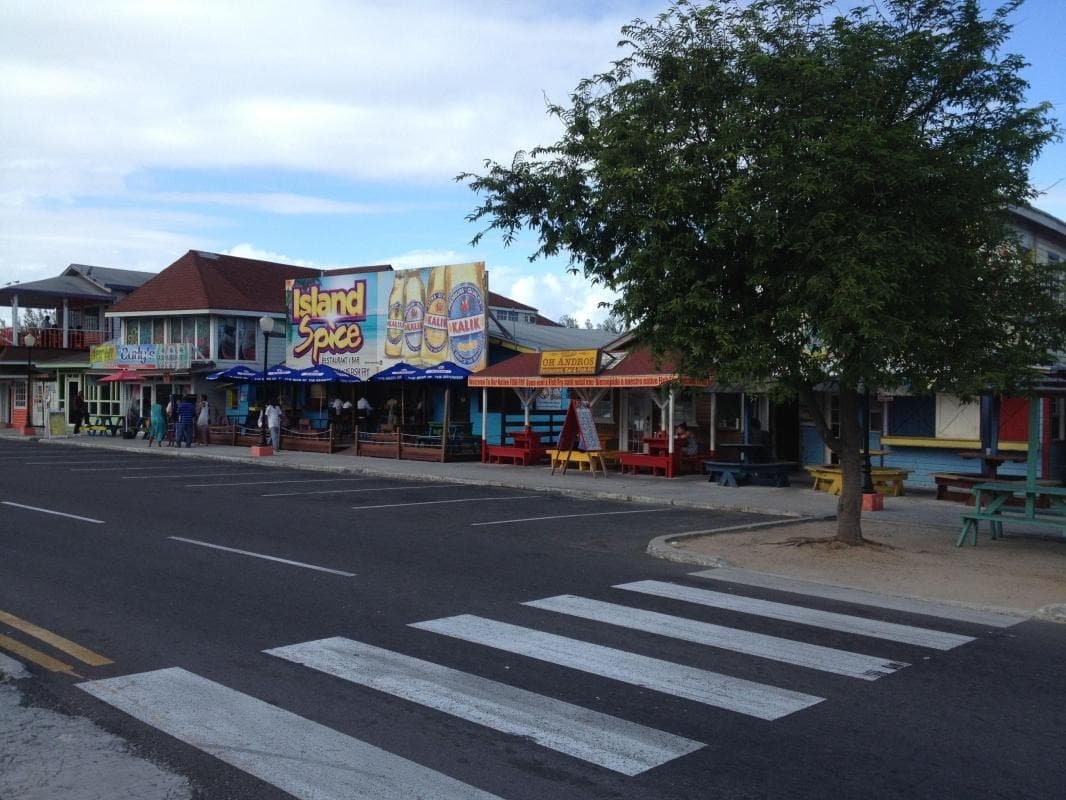
Arawak Cay, known to locals and cruise passengers alike as the Fish Fry, sits on the northwestern edge of New Providence just a short drive from downtown Nassau. The place is a living postcard: corrugated-roof shacks painted in watermelon and sunburst hues, fishing skiffs bobbing in shallow turquoise water, and generations of Bahamian cooks honing recipes that trace directly back to the islands’ earliest residents—the Lucayan (often called Arawak) people—and later, to West African, British, and Caribbean influences. The geology below your feet is coral limestone, a platform born of ancient reefs; above you, the island’s trade winds tease smells, chatter, and the occasional boom of Junkanoo rhythms.
This is a culinary neighborhood as much as it is a community. Stall owners arrive before dawn to haul in the day’s catch. On any given afternoon the playlist ranges from beach radio to old calypso and Rake-and-Scrape; on Sundays, families claim extended tables and spill over into the waterline. You can sample a dozen versions of the same dish—crack conch, fried wahoo, conch salad—each cooked with a slight twist: one with extra garlic, another with a lime-forward tang, another with pepper sauce that will smarten your tongue for the next twenty minutes.
Arawak Cay is also a practical launchpad for wider island adventures. Guided experiences like the Flavors of Nassau Food Tour and the Mouth Watering Food and Drink Tasting City Tour use the Fish Fry as a centerpiece, pairing it with visits to the Rum Cake Factory, John Watling’s Distillery, and Potter’s Cay Dock so you leave with more than a full stomach—you leave with context. For travelers who want to see beyond the culinary strip, private jeeps, customizable half-day bus tours, and full-day island excursions link Arawak Cay to Cable Beach, the Queen’s Staircase, and even the Atlantis resort on Paradise Island, all while threading through working-class neighborhoods and historical sites.
Spend an afternoon here and you’ll pick up threads of Nassau’s history. The Fish Fry grew out of an economy of fishing and bartering; it became a social hub where sailors, fishermen, and townsfolk met. That same ethos persists. Potter’s Cay Dock—a short walk east—still functions as a wholesale fish market; local chefs pick through crates of snapper and grouper while hawkers sell freshly shucked conch. The blend of tastes on the plate is a palimpsest of colonial trade routes and indigenous resources: citrus, local herbs, sea salt, and spices that traveled across oceans.
Practicality sits comfortably next to delight here. Meals at Arawak Cay are casual—come prepared to eat outdoors, often standing or at metal tables. Prices are reasonable; portions are generous. The best time to arrive is late morning to early afternoon when the cooking is fresh and the light softens the colors of the boats and roofs. If you’re on a schedule—say, a cruise stop—book a guided tasting tour that times your visit and streams you through the best stalls while a local guide explains the backstory of each dish.
An adventure here doesn’t require mountaineering legs, but it rewards curiosity: try the conch salad—bright with citrus and scissored onion—then go deeper with cracked conch served with grits or peas and rice. Order a slice of rum cake from the Rum Cake Factory and pair it with a small sample at John Watling’s Distillery to understand how sugar, spirit, and sea converge in Bahamian treats.
Safety and etiquette are straightforward. Bring cash—many stalls still prefer it—wear slip-resistant shoes for wet planks, and respect the cooks who are working fast in hot conditions. Use reef-safe sunscreen if you plan to wade near the shore, and carry a reusable water bottle; the sun and salt can take the edge off even the most relaxed traveler.
At its heart, Arawak Cay is a lesson in how food anchors place. It’s where the ocean meets community and where recipes are a repository of memory. Whether you’re a foodie mapping the island’s flavors, a traveler threading together Nassau’s history, or a curious day-tripper looking for honest, memorable eats, Arawak Cay delivers. It’s loud where it needs to be, humble where it should be, and still very much a working corner of a living island. Come hungry and leave grounded in the sense that you’ve tasted something essential about the Bahamas: that food here tastes like where it came from, and the sea is always part of the conversation.
Trail wisdom
Small choices, better day.
Bring small bills
Many stalls prefer cash; have small denominations for quick transactions and tipping cooks.
Go early or after peak lunch
Arrive mid-morning or mid-afternoon to avoid crowds and get the freshest fried seafood.
Wear non-slip shoes
Planks and docks can be slick from water and fish prep; sturdy soles improve safety.
Use reef-safe sunscreen
If you plan to wade or swim nearby, choose reef-safe formulas to protect local coral.
Local knowledge
Read the place, not just the route.
Watch for native species including brown pelican, magnificent frigatebird.
Keep an eye out for wildlife during the transition between areas and habitats. Respect distance guidelines.
Support vendors who use sustainable catch practices, avoid single-use plastics, and use reef-safe sunscreen to protect nearby coral ecosystems.
Follow the guide's instructions on size limits, ethical handling, and leave-no-trace practices.
Potter’s Cay Dock for behind-the-scenes fish market life. John Watling’s Distillery courtyard for tasting local rum and historic architecture
Locally recommended viewpoints and quiet spots known best to local operators.
Arawak Cay’s name references the island’s Lucayan/Arawak heritage; over centuries it evolved from a working fishing enclave into the vibrant Fish Fry cultural hub it is today.
Maritime roots and regional tradition shape the waterways and working coasts.
Seasonal guide
Four versions of the same landscape.
Spring
Best formilder temperatures · local festivals · fresh-catch variety
Challengesearly showers possible · increased cruise traffic around holidays
Spring brings comfortable temperatures and lively local events—perfect for leisurely tasting tours, though cruise schedules can swell crowds.
Summer
Best forwarm sea swims · late-night dining · abundant catch
Challengesheat and humidity · hurricane season considerations
Summer is lively and hot; plan for sun protection and be mindful of hurricane-season advisories from June to November.
Fall
Best foroff-peak travel · fresh seafood · calmer beaches
Challengesoccasional storms · some businesses adjust hours
Fall sees fewer tourists and continued delicious seafood, but keep an eye on storm forecasts and local notices.
Winter
Best forcrisp, clear days · peak cruise arrivals · holiday celebrations
Challengeshigher visitor numbers · some vendor closures around holidays
Winter draws the most visitors for its dry, pleasant weather—expect crowds but also full festival energy and consistent menus.
Pack with intention
What to bring.
Good to know
Common questions.
Yes—Arawak Cay is a popular, well-visited area during daytime; practice usual urban caution, keep valuables secure, and avoid isolated areas at night.
Plan the edges
The details that make the day easier.
Arawak Cay is commonly called "Fish Fry" and is Nassau’s primary open-air seafood dining strip, with a tradition rooted in the island’s fishing communities and indigenous Lucayan/Arawak heritage.
Expect conch salad, crack conch, guava duff for dessert, and plenty of rum-soaked sweets; live music and Junkanoo beats often spill into mealtimes—talk to vendors about family recipes and cooking stories.
- Where
- Arawak Cay (Fish Fry), New Providence. Getting there: 10–15 min drive from Nassau downtown; taxis and guided tours common. Cost: inexpensive to moderate; cash handy. Best time: mid-morning to late afternoon.
Choose vendors who source local, sustainably caught fish; avoid single-use plastics and use reef-safe sunscreen to minimize impact on coral and marine life.
Explore by topic
Follow the threads.
Keep exploring
Make the story part of the trip.
Set out from Bass Harbor for a private, customizable day on Blue Hill Bay — lighthouses, puffins, seals, and the chance to feel Acadia from the water. Small groups, local captains, unforgettable views.
In four hours you can move from shaded canyon ferns to wind-scoured coastal ridgelines, guided by someone who knows where the light—and the hidden views—live. This private half-day hike on the Monterey Peninsula or Big Sur is compact, curated, and perfect for travelers who want depth without a multiday commitment.
 Related story
Beneath a sky of shifting light, Skaftafell’s ice reads like a map of time. This three-hour guided glacier hike mixes technical instruction with geology and culture: compact, safe, and unforgettable.