
What the day feels like
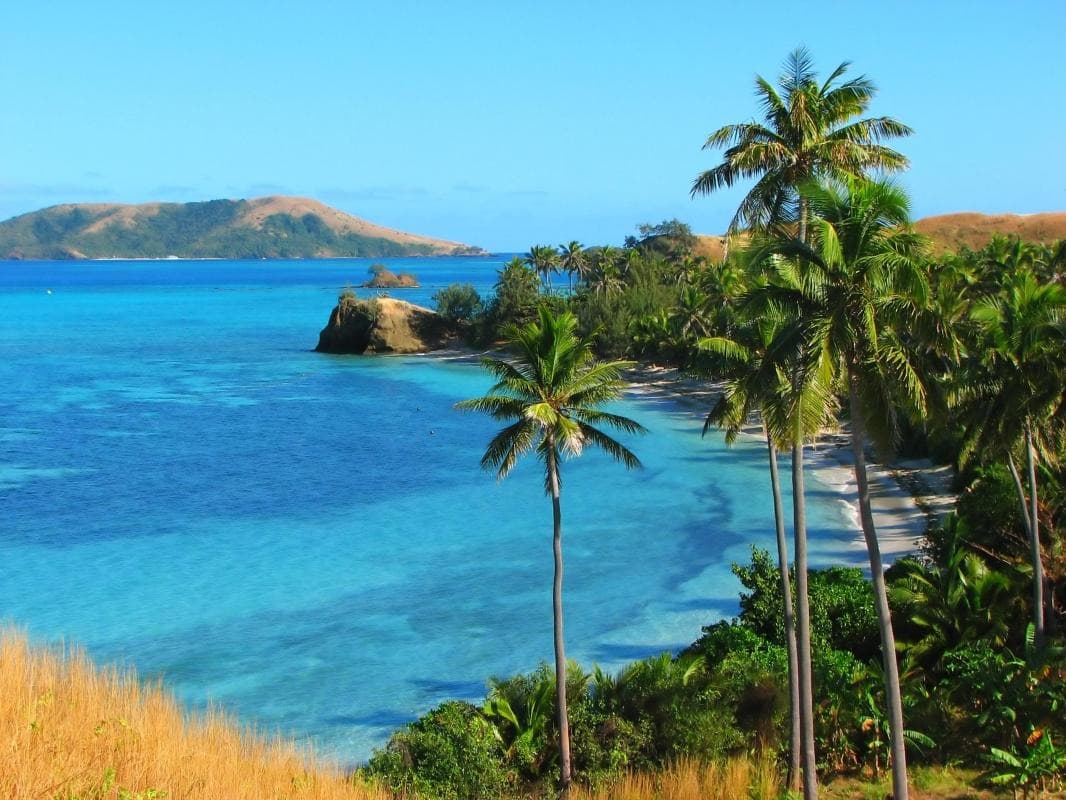
The day the mainland sloughed away, the horizon became a loose necklace of islands. We pushed off from Port Denarau before sunrise, the silhouette of Viti Levu shrinking behind us as the crew steered into water so clear it felt like a window into another world. Limestone cliffs rose vertically out of blue, crowned by palms and low scrub. Every bay promised the same simple things—sand the color of old bones, coral gardens, and villages that still time their rhythms to the drum of the sea. This is the Yasawa Islands: an archipelago that reads at once like a postcard and a place where a traveler still has to show up and listen.
Blue Lagoon Cruises runs the kind of itineraries that are equal parts logistics and improvisation—three-night getaways for a quick reset, and a seven-night “Escape to Paradise” that unfolds the islands in a slower, more granular way. Their flexible cruising policy means routes shift with weather and local opportunity; an island festival one day, a sheltered anchorage the next. That flexibility is the right note here, because the Yasawas are defined by small-scale variation: a snorkeling reef scrolling with parrotfish, a cave mouth that drinks the tide, a village with a reed church and a kava ceremony at dusk.
Geologically the islands are a study in contrasts. Many of the larger islands are uplifted limestone with caves and cliffs carved by ancient seas; others are volcanic outcrops shrouded in verdant ridges. That mix yields a coastal tableau of narrow bays and coral lagoons that makes sailing between them an almost tactile experience—the boat seems to peel around cliffs rather than pass them. Culturally the Yasawas have been shaped by isolation. Until the rise of small-ship cruisers in the late twentieth century, many communities sustained themselves largely by fishing and subsistence agriculture; today tourism supplements that economy but also asks visitors to show restraint and respect.
On-shore moments are the heart of the trip. One morning we tied up to a sandy spit and walked into a village where children ran barefoot between pandanus trees and an elder invited us for yaqona—Fiji’s ceremonial kava. The drink is earthy and numbing, the ritual deliberate: a shared pause that rewires how you listen to a place. Later, snorkeling flats gave up hawksbill turtles and schools of neon damselfish; another day a limestone cave in Sawa-i-Lau swallowed us into blue shadow and world-hushed quiet. For anyone who worries that cruising is passive, the Yasawas deliver in small, kinetic ways: short hikes to coastal lookouts, reef walks at low tide, and chances to join evening dances that have been taught across generations.
Practical considerations matter here. Cruising options on the Blue Lagoon vessels typically limit daily transit to around four hours, favoring time to swim, snorkel, and walk ashore. The vessels are modest but comfortable: cabins, meals, and most activities included, with a 100% Fijian crew who increasingly use their deep local knowledge to introduce guests to village life and lesser-known anchorages. The islands are tropical—bring reef-safe sunscreen, a sturdy rashguard, lightweight footwear for jagged reef and volcanic rock, and a small dry bag for cameras and paperwork. Be ready for humidity and sudden squalls in the wet season, and for winds that can make passage between islands lively.
Safety and sustainability are part of the trip’s texture. The reefs that make the Yasawas shine are fragile; choose tours that enforce no-take rules, discourage anchoring on coral heads, and ask guests to use reef-safe sunblock. Village fees and donations are common—treat them not as tourist extras but as community support that keeps the islands hospitable.
How to plan it: book a night in Nadi or Port Denarau before departure to avoid the risk of missed flights; Blue Lagoon Cruises typically sails from ports on Viti Levu with transfers included. Decide whether you want a 3-night sampler—great for a long weekend and a taste of village visits and snorkeling—or a 7-night circuit that reaches more remote anchorages like Sawa-i-Lau and the film-famous lagoons around Nanuya Levu. If you crave a camera full of underwater colors, aim for the dry months (May–October) when visibility and seas are best. Expect modest comforts on board and big payoffs ashore.
The Yasawas ask you to slow down. They reward small attentions: the timing of the tide through a cave, the smile when you try a pras of cassava, the hush of a reef at dusk. Whether you arrive for a three-night reset or a full week of island-hopping, the currents of these islands are quietly insistent; they nudge you out of routine and into the particular pleasures of sea, sand, and shared moments. When the cruise drops anchor for the evening and the light goes syrupy, you’ll understand why travelers keep coming back—the archipelago is easy to photograph and harder to forget.
Trail wisdom
Small choices, better day.
Bring reef-safe sunscreen
Coral reefs are fragile—use mineral-based sunscreen to protect marine life during snorkeling.
Pack reef shoes
Shoes with traction protect your feet on sharp reef and rocky island shores when exploring intertidal zones.
Carry a small dry bag
Keep your phone, documents, and camera gear dry while transferring between boat and shore.
Respect village etiquette
Ask before photographing people, remove shoes when entering homes, and accept kava rituals politely.
Local knowledge
Read the place, not just the route.
Watch for native species including hawksbill turtle, spinner dolphins.
Keep an eye out for wildlife during the transition between areas and habitats. Respect distance guidelines.
Many local operators now enforce no-anchor-on-reef policies and ask guests to use reef-safe products; village fees often support community projects.
Follow the guide's instructions on size limits, ethical handling, and leave-no-trace practices.
Sawa-i-Lau limestone caves—an intimate swim-through at low tide. Modriki and the ‘Blue Lagoon’ coves around Nanuya Levu—lesser-visited lagoons for morning snorkeling
Locally recommended viewpoints and quiet spots known best to local operators.
The Yasawa Islands rose to wider tourism attention in the 1970s; the 1980 film The Blue Lagoon was filmed on Nanuya Levu, giving the region cultural cachet.
Maritime roots and regional tradition shape the waterways and working coasts.
Seasonal guide
Four versions of the same landscape.
Spring
Best forLower crowds · Warm water snorkeling
ChallengesOccasional showers · Increased humidity
Spring (Sept–Nov) bridges the dry and wet seasons—water is warm and visibility is improving, but short tropical showers become more common.
Summer
Best forLush landscapes · Cultural festivals
ChallengesHotter temperatures · Higher rainfall and cyclone risk
Summer (Dec–Feb) is Fiji’s wet season: expect heavy rains and the potential for travel disruptions, but also vibrant island life and lush scenery.
Fall
Best forCalmer seas · Excellent visibility
ChallengesVariable weather in transition months
Fall (Mar–May) transitions toward the dry season—visibility for snorkeling improves and cruising becomes steadier.
Winter
Best forClear skies and calm seas · Best snorkeling visibility
ChallengesSlightly cooler evenings · Higher demand for bookings
Winter (Jun–Aug) is the dry season. This is the most reliable time for calm seas, brilliant underwater visibility, and comfortable cruising conditions.
Pack with intention
What to bring.
Good to know
Common questions.
Most cruises depart from ports on Viti Levu such as Port Denarau near Nadi; fly to Nadi International Airport and arrange an overnight in Port Denarau before boarding.
Plan the edges
The details that make the day easier.
The 1980 film The Blue Lagoon was filmed on Nanuya Levu in the Yasawa Islands, helping popularize the region as an international tourism destination.
Island evenings are a blend of voice and ukulele, fresh-caught fish cooked in a lovo (earth oven), and communal kava sessions; support village-run homestays and artisans to keep tourism benefits local.
- Departures
- Port Denarau (Nadi) • Typical itinerary lengths: 3 or 7 nights • Included: cabins, most meals, activities • Best months: May–Oct • Currency: FJD; small cash for village fees
Opt for operators enforcing reef-safe practices, no-anchor policies, and community fee transparency; pack out plastic and support locally run initiatives.
Explore by topic
Follow the threads.
Keep exploring
Make the story part of the trip.
Set out from Bass Harbor for a private, customizable day on Blue Hill Bay — lighthouses, puffins, seals, and the chance to feel Acadia from the water. Small groups, local captains, unforgettable views.
In four hours you can move from shaded canyon ferns to wind-scoured coastal ridgelines, guided by someone who knows where the light—and the hidden views—live. This private half-day hike on the Monterey Peninsula or Big Sur is compact, curated, and perfect for travelers who want depth without a multiday commitment.
 Related story
Beneath a sky of shifting light, Skaftafell’s ice reads like a map of time. This three-hour guided glacier hike mixes technical instruction with geology and culture: compact, safe, and unforgettable.